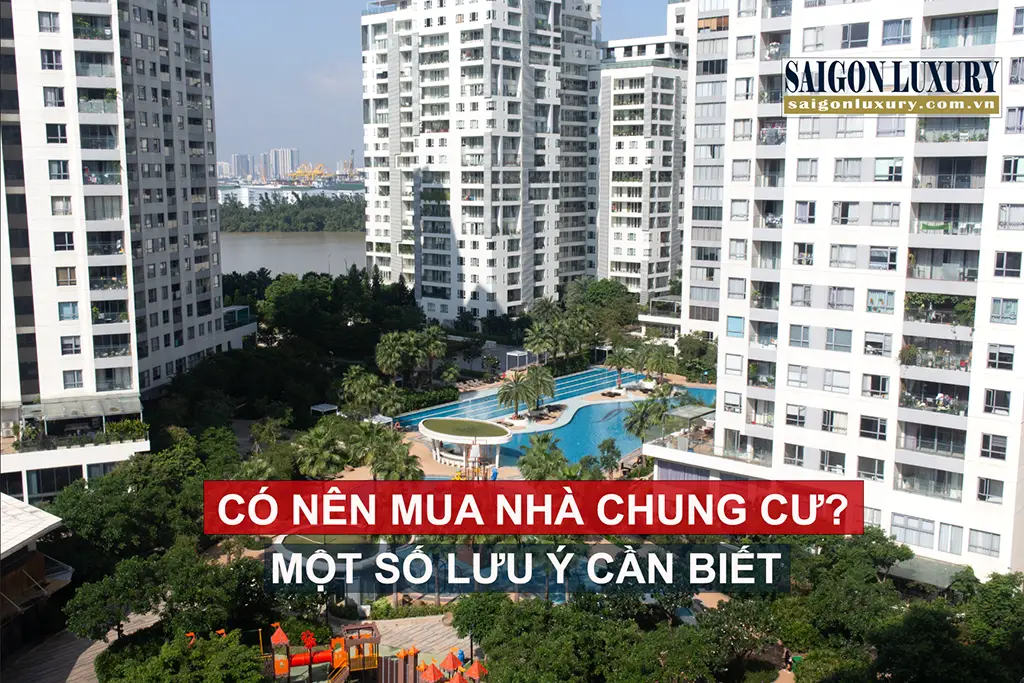
Apartment and condominium projects continue to proliferate, spanning multiple segments from affordable to ultra-luxury offerings with attractive incentives from developers.
So should you purchase an apartment? There are many differing perspectives and opinions on this question. However, what do Saigon Luxury clients—affluent buyers with substantial financial capacity and extensive luxury property portfolios—think? Discover expert insights in the following article from Saigon Luxury.
1. Advantages and disadvantages of apartments and townhouses
Apartment
House
Advantages:
– When evaluating condominiums, the extensive amenities offered represent a significant advantage in the decision to purchase.
– Typical community amenities include indoor fitness facilities, swimming pools, barbecue areas, landscaped gardens and patios, private balconies, storage units, business centers, parking facilities, and recreational spaces. Apartments generally provide superior safety and security compared to standalone properties.
– Access to apartment buildings requires authorization from the security department, making unauthorized entry considerably more difficult. Security cameras and internal communication systems are standard features. Enhanced security measures include mandatory visitor verification and 24/7 on-site security personnel.
– Many contemporary apartment projects offer not only prime locations and comprehensive infrastructure but also attractive financing incentives, including bank-backed guarantees and flexible installment plans covering up to 70% of the purchase price.
Advantages:
– One significant benefit of homeownership is the abundance of space. For larger families, a house offers considerably more advantages than an apartment.
– Additionally, when purchasing real estate, you retain complete control over its use, including the ability to renovate and expand (subject to local regulations). Homeowners are not required to pay ongoing fees such as maintenance charges, elevator usage, security services, or parking fees.
– Furthermore, houses offer greater privacy than apartments. Homeownership can represent an excellent long-term investment. Research demonstrates that many properties appreciate substantially in value over time. You can further enhance your home’s value through thoughtful renovations and improvements.
– To access quality amenities and services, townhouses and villas developed by reputable investors are the preferred option. However, availability in central locations remains limited, and prices tend to be notably higher.
Disadvantages:
– One primary consideration when purchasing an apartment is that owners have limited freedom in customizing and renovating their units. Any modifications require approval from the building management board. – Additionally, because apartments share common infrastructure, issues with utilities in neighboring units—such as plumbing, electrical, or sanitation problems—can directly impact your apartment, making repairs complex and time-consuming due to the interconnected systems. – Noise from neighboring units may be an unavoidable aspect of apartment living, so it is important to assess your comfort level before committing. Fire safety standards in many Vietnamese apartment buildings remain a concern, and emergency evacuation can be challenging or even impossible for residents on upper floors.
Disadvantages:
Land prices in comparable areas are significantly higher than apartment prices. With the same budget, a landed property may require you to compromise on location, potentially placing you further from the city center.
Purchasing a standalone home means forgoing many of the amenities typically offered in modern apartment complexes, which often provide integrated services and lifestyle conveniences. The upfront investment required can be substantial, representing a considerable financial commitment. Additionally, landed properties carry a higher risk of theft compared to secured apartment buildings, particularly during extended family trips or absences when the home is unoccupied.
2. Should High-Net-Worth Individuals Buy Apartments?
Apartment complexes bring together diverse households, fostering a refined and modern residential community. Particularly in luxury apartment developments, residents typically share similar backgrounds and levels of sophistication.
Disputes within the complex are managed by the building management, ensuring fair resolution. Parking is secured in dedicated basement areas, eliminating concerns about vehicle safety. Access is controlled via security cards with thorough verification protocols, providing exceptional security. You can confidently allow your children to play and interact with peers in a safe environment that supports their physical and cultural development.
Premium apartment buildings benefit from substantial investor capital dedicated to infrastructure and amenities, creating a comfortable and well-integrated living environment for all residents.
Amenities typically include swimming pools, landscaped parks, and entertainment zones. High-end developments may also feature on-site supermarkets, educational institutions, medical facilities, and wellness centers. The comprehensive facilities are thoughtfully designed to connect seamlessly from residential areas to commercial hubs, offering unparalleled convenience.
Many luxury apartment projects cater exclusively to affluent buyers, with pricing that reflects their premium positioning and exceptional quality.
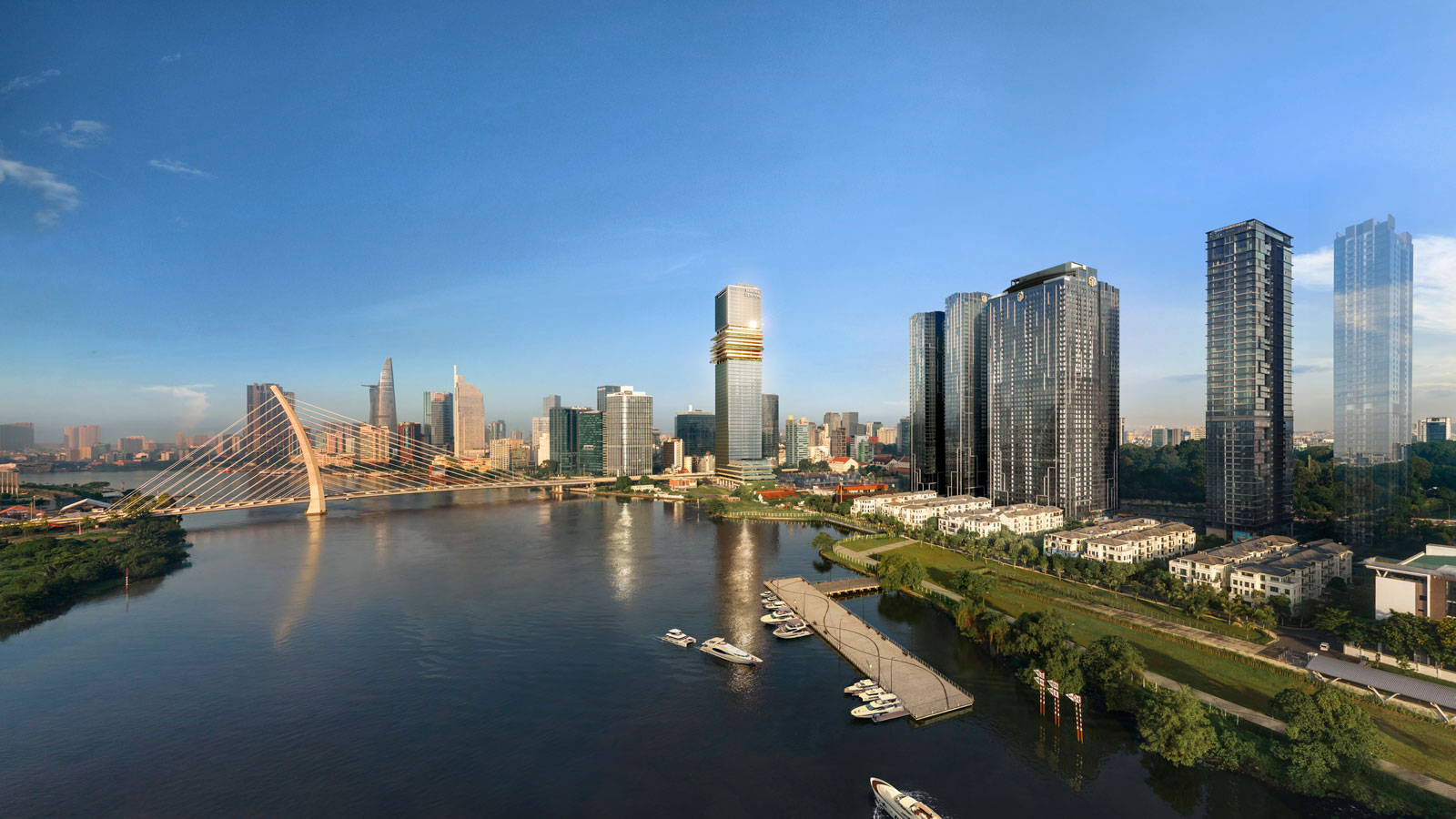
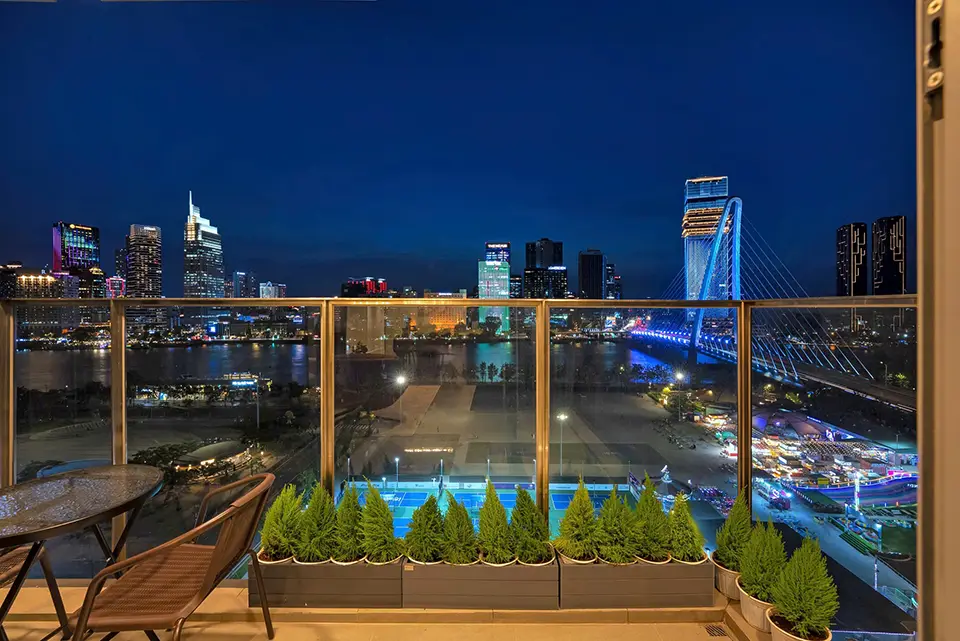
In luxury apartment projects, beyond the exceptional infrastructure and amenities, there are additional distinguishing features such as: offering exclusively large-format residences, dedicated parking for supercars, private marinas, private elevators with dedicated shafts, and Branded Residence projects operated and managed by world-renowned hotel brands. In reality, many prominent business leaders and celebrities own apartments valued at tens of billions or even hundreds of billions of Vietnamese dong, which underscores that affluent individuals continue to prefer luxury apartments over other residential options.
Grand Marina Saigon apartment complex is managed and operated by Marriott in Ba Son area, Saigon
The majority of Saigon Luxury’s clientele—those who already possess substantial real estate portfolios and valuable assets—have clear intentions when purchasing property, whether for investment purposes, personal residence, or lifestyle enjoyment. When buying for residential use, the quality of the living environment remains the paramount consideration.
Some perspectives suggest that individuals seeking to purchase real estate for both residential and investment purposes are those still focused on generating income and have not yet achieved true wealth.
The apartment market offers numerous segments across a wide range of price points. Pricing varies based on several factors, including location, unit size, and the amenities included. Carefully evaluating your financial capacity is essential when determining whether to purchase an apartment. Avoid overextending yourself financially by pursuing a property beyond your means.
Conversely, do not compromise on location by selecting an area too distant from the city center, which may result in transportation inconveniences. Most modern apartments offer flexible payment options to accommodate buyers.
You may choose to pay the full apartment value upfront if your financial capacity allows, or opt for an installment plan. When selecting installment payments, carefully review the interest rates and loan terms to ensure they align with your financial situation.
3.2 Prioritize Reputable Developers
The apartment market is expanding rapidly, with numerous attractive marketing campaigns highlighting investment returns and premium amenities. However, not all claims are necessarily accurate.
The developer’s reputation is an important criterion to evaluate before making an apartment purchase decision. Reputable developers ensure timely project delivery with consistent quality standards. Selecting a trustworthy developer helps you avoid the risk of receiving substandard properties.
Several factors can help determine a developer’s reputation, including: financial stability, track record, completed projects, partner network, and project legitimacy.
3.3 Pay Attention to Management Fees
Housing management fees are recurring costs associated with apartment ownership, typically calculated per square meter. These fees are paid to the Building Operations Management Board on a monthly or quarterly basis.
These funds cover building maintenance and operations. Luxury apartments typically have management fees ranging from 23,000 VND/m² to 80,000 VND/m². Therefore, you should carefully review these costs before committing to a long-term purchase.
3.4 Review the Purchase and Sale Contract
When considering an apartment purchase, legal protection is paramount. A purchase and sale contract is a legally binding agreement that outlines the terms and conditions between buyer and seller.
Contract value: This is the most critical aspect of the agreement. Before signing, ensure that the contract value clearly specifies all costs, including land use rights, taxes, and associated fees. Many buyers overlook this detail initially, resulting in unexpected costs later. After taking possession, developers may request additional payments for completion deposits, title issuance fees, or arbitrarily increase management service charges without resident consent.
Payment terms: This provision protects the buyer’s interests and deserves careful attention when deciding on an apartment purchase.
Ensure the developer commits to project quality standards, handover timeline, and provides a comprehensive schedule detailing all services, utilities, and resident obligations included upon delivery.
Timeline for title deed issuance
Review the contract thoroughly or consult with a legal professional. Do not sign until you fully understand and agree to all terms and conditions.
3.5 Building Amenities and Surrounding Infrastructure
When purchasing an apartment, carefully evaluate security measures, fire safety systems, emergency exits, and other safety infrastructure to ensure a secure living environment.
Additionally, buyers should carefully evaluate the facilities and infrastructure of the surrounding area, including potential traffic congestion, flooding during heavy rains, and tidal concerns. It is equally important to assess the reliability of utilities in your area, such as consistent power and water supply.
3.6 Legal Status of Apartments
Verifying the legal status of an apartment purchase is essential. Unlike townhouses, which are registered with a pink book, apartments may fall into different categories: those with completed registration, those with sales contracts, or those still in the registration process through direct investor purchases. Each category involves different transaction procedures.
The legal status of a project depends on the developer. When an apartment project has completed registration, transactions proceed like standard real estate sales. For projects without completed registration, the following documentation is required:
Developer’s land use rights certificate
Business license
Investment approval document
Red book (land ownership certificate)
Detailed site plan (1/500 scale)
Construction permit
Bank guarantee documentation
Additionally, you should verify what unit types the project offers, such as shophouses or officetel units. Typically, officetel projects should be located in separate zones. When officetel units are mixed within residential apartment projects, the activity and foot traffic from office workers may impact residential living conditions.
Some apartment projects also offer different lease terms, ranging from 30 to 50 years or longer.
3.7 Rent Before Buying
Another popular approach for prospective buyers is to rent an apartment for a period of time to evaluate the property and lifestyle before deciding to purchase an apartment. This option is available for completed projects that are already occupied and operational.
Deciding between purchasing an apartment or residential real estate is an important consideration for many buyers. Apartments typically offer advantages through enhanced amenities, utilities, and flexible payment options, while residential real estate provides superior long-term value appreciation. We hope this article has helped you select the property type that best aligns with your budget and needs. Continue following Saigon Luxury for more valuable insights and updates!
THE SAIGON LUXURY JOURNAL
September 14, 2024
ANOTHER VIEW OF SAIGON
Stories for people who appreciate living space.
Selected by the Saigon Luxury editorial team — where real estate meets architecture, culture and contemporary lifestyle.
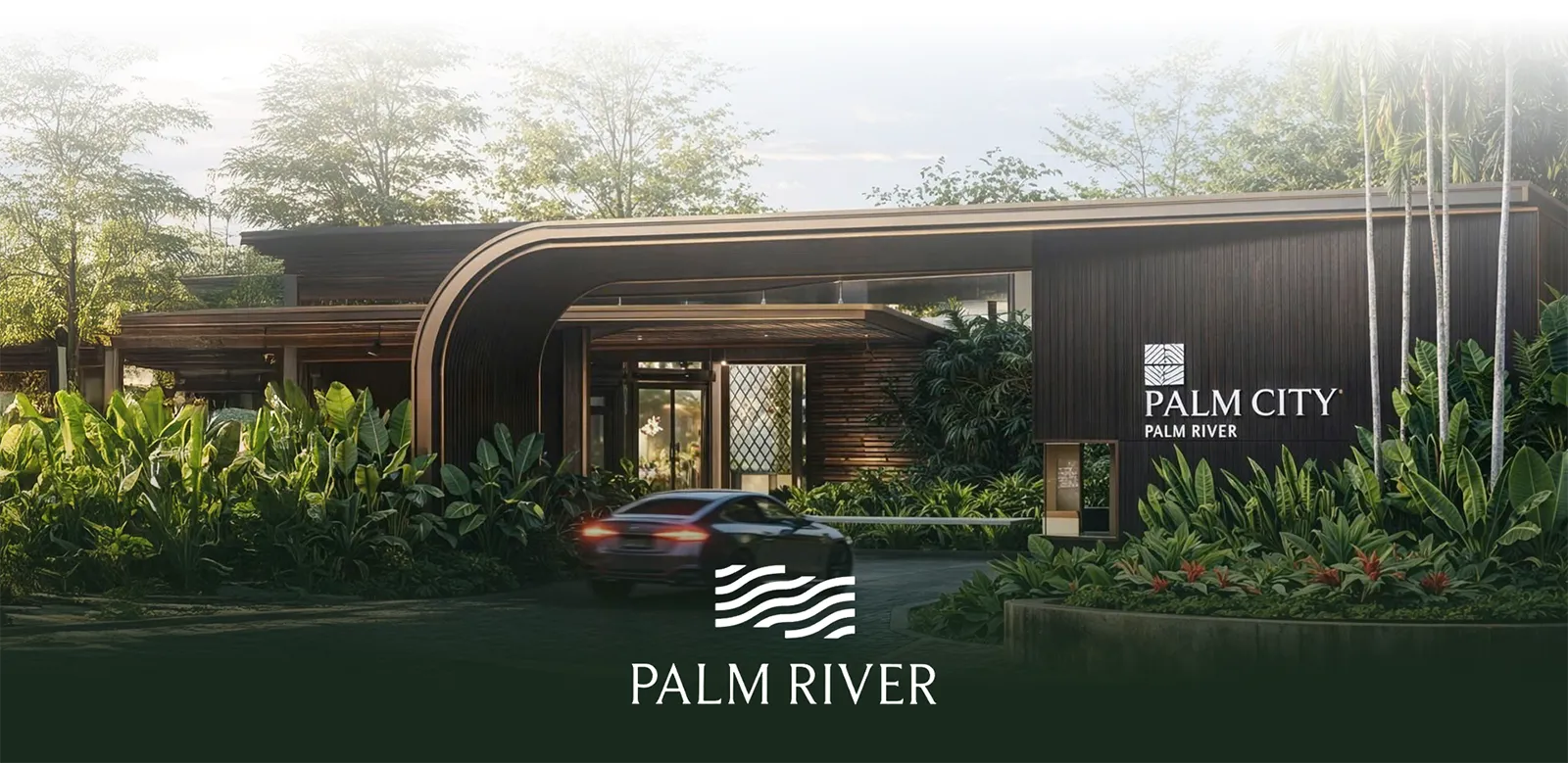
# Saigon Luxury’s Perspective on Palm River: Private Living Standard at the Heart of Eastern Infrastructure
—
**Alternative version (more natural):**
Saigon Luxury’s Vision for Palm River: The Private Living Standard at the Infrastructure Hub of the Eastern District

 English
 Tiếng Việt