English
 Tiếng Việt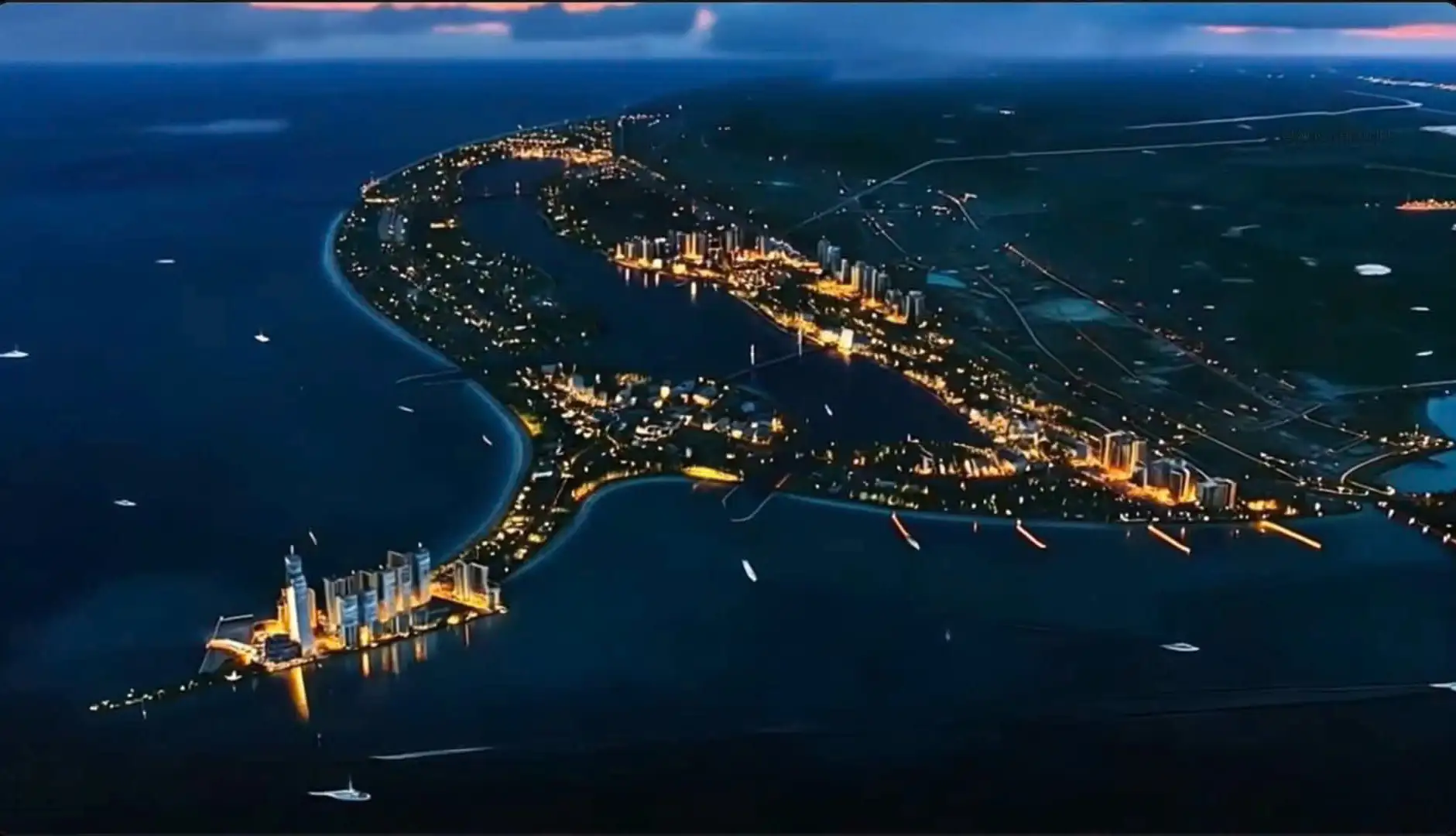
The Vinhomes Green Paradise project carries the scale of a “mega coastal city,” yet simultaneously faces numerous unique challenges: significant distance from Ho Chi Minh City center, dependence on transportation infrastructure, complex sea reclamation techniques, nascent peripheral utility infrastructure, and strict environmental legal requirements. To convince customers and investors, Vingroup has rolled out a series of concrete solutions for each weakness. —
1. Bridging the 50 km Gap to City Center —
The location of Vinhomes Can Gio is currently about 50 km from District 1, with travel time of 1.5–2 hours. To eliminate this “psychological distance,” Vingroup is coordinating with Ho Chi Minh City on: —
– Can Gio Bridge: a cable-stayed bridge spanning 3.4 km expected to break ground in 2025, with completion targeted around 2028. —
– Waterway connectivity: increasing ferry frequency between Can Gio and Vung Tau, and promoting a coastal route from Long An – Nha Be – Can Gio. —
– High-speed Metro proposal: incorporating the Ben Thanh – Can Gio line into the 2030 master plan, targeting reduced travel time from Phu My Hung to just approximately 16 minutes. —
2. Reducing External Infrastructure Dependency —
The project’s value will struggle to break through if bridges, expressways, or metro experience construction delays. To take the initiative, Vingroup: —
– Proposes a PPP/BOO model, co-investing in key infrastructure development rather than waiting for budget allocation. —
– Perfects internal infrastructure – 6–8 lane roads, water supply and drainage systems, electricity, telecommunications – from the initial phase onward. —
– Prepares express bus routes and shuttle boats from Phu My Hung – Can Gio to serve residents before bridges and metro completion. —
3. Managing Sea Reclamation Technical Risk
Weak geology, coastal erosion, and high maintenance costs have always been major concerns. Vingroup has:
– Partnered with Royal HaskoningDHV (Netherlands) and Nippon Koei (Japan) – renowned firms that designed Palm Islands (Dubai) and Changi Airport – to reinforce foundations and seawalls.
– Engaged Bureau Veritas for independent certification and periodic technical report publication.
– Established a marine infrastructure maintenance fund from management fees and commercial revenue to sustain seawall systems and long-term dredging operations.
4. Solving the “New Urban Center” Challenge
In the early phase, residents may lack healthcare, education, and commercial services. Vingroup deploys an “all-in-one” strategy:
– Simultaneously commence Vinmec mini, Vinschool, and Vincom Mega Mall in Phase 1.
– Activate early tourism with yacht marina, 5-star resort, and coastal festival events.
– Waive 2–3 years of management fees and provide shuttle bus and mobile healthcare services so pioneering residents enjoy full amenities.
5. Compliance with Legal & Environmental Standards
Large-scale coastal reclamation projects mandate strict regulatory compliance. Vingroup has:
– Completed the National-Level Environmental Impact Assessment approved by the Ministry of Natural Resources & Environment, meeting over 300 criteria.
– Establishing a 600-hectare ecological buffer zone, forest compensation planting, conservation fund creation, and marine ecological research center. —
– Collaborating with UNESCO and WWF to operate water monitoring systems and publicly disclose environmental data online. —
Conclusion —
Rather than mere promotion, Vingroup is “walking on two legs”: heavily investing in connectivity infrastructure to eliminate the sense of remoteness, and providing technical and legal guarantees for the reclamation project. Through a series of initiatives ranging from PPP partnerships and international consultant engagement to establishing maintenance funds and activating amenities simultaneously, Vinhomes Green Paradise is being positioned to transform inherent risks into long-term competitive advantages. —