English
 Tiếng Việt
With its strategic location in the eastern part of the city, combined with rapid population growth and urbanization, traffic congestion has become a pressing concern. To address this issue and alleviate congestion, Ho Chi Minh City has initiated four major traffic infrastructure projects with a combined investment exceeding several trillion VND. These routes will not only reduce the burden on existing infrastructure but also accelerate development in the eastern region, connecting major urban centers and industrial parks while establishing a modern, integrated transportation network.
1. Cat Lai – Phu Huu Interport Road
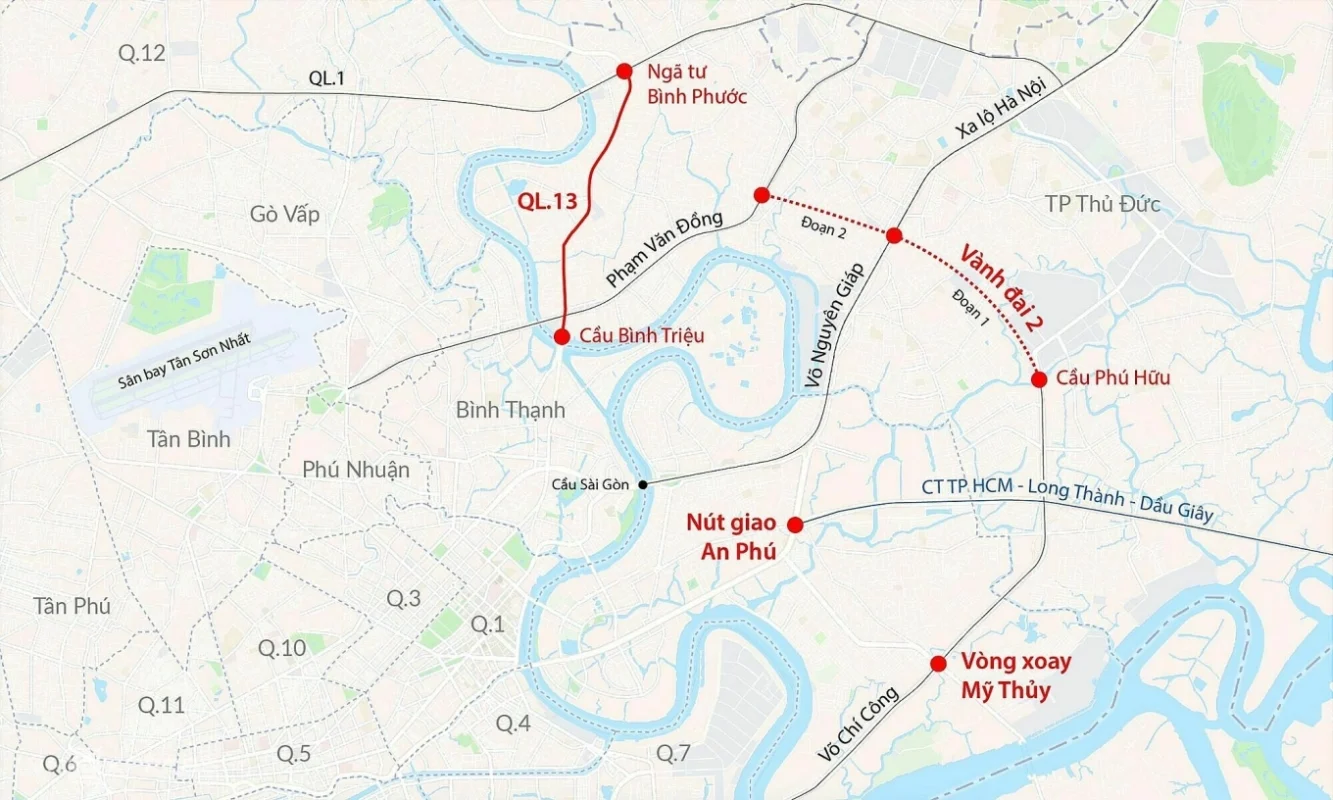
The Cat Lai – Phu Huu Interport Road is among the most critical projects in the strategy to resolve congestion in the eastern region, spanning approximately 8.5 kilometers and connecting Cat Lai Port with the Phu Huu area. This route serves a strategic function by linking ports and economic zones while alleviating pressure on existing infrastructure such as Hanoi Highway. With a total investment of VND 5,000 billion, the project will establish a new traffic corridor to help reduce congestion at Cat Lai Port—the city’s largest hub for traffic and freight volume.
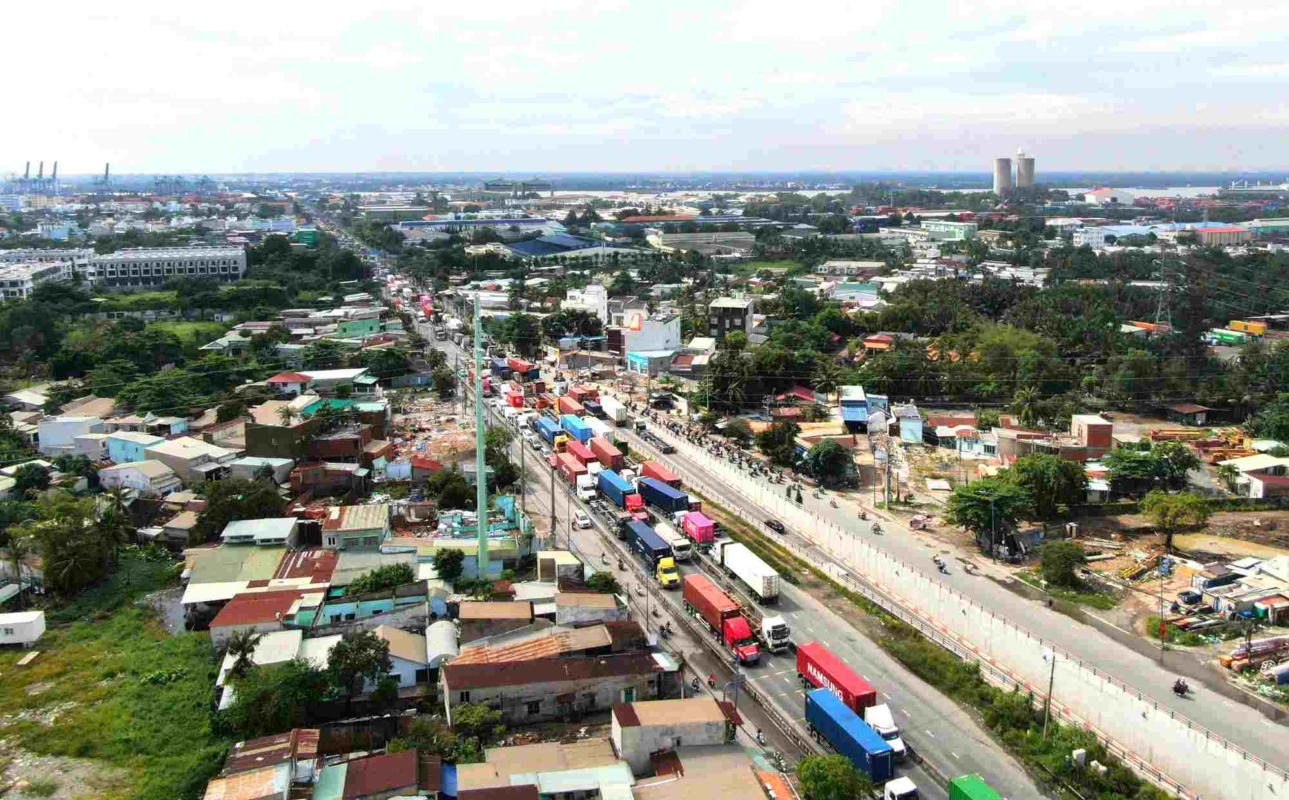
This route will significantly enhance cargo transportation capacity, reduce congestion in port areas, and improve the efficiency of the Long Thanh – Dau Giay expressway. Construction is expected to commence in late 2025, with completion targeted within three years. This marks a substantial advancement in infrastructure development in Ho Chi Minh City’s eastern region, particularly in enhancing the effectiveness of goods transportation.
2. Hanoi Highway – Ring Road 3
The Hanoi Highway – Ring Road 3 project represents one of the most significant undertakings in the strategy to improve traffic conditions in eastern Ho Chi Minh City. This route will connect Hanoi Highway with Ring Road 3, substantially reducing the load on one of the city’s most congested corridors. With a total investment of approximately VND 7,000 billion, the project will establish a new high-capacity corridor, helping to alleviate congestion in key areas including Thu Duc City, District 9, and eastern industrial parks.
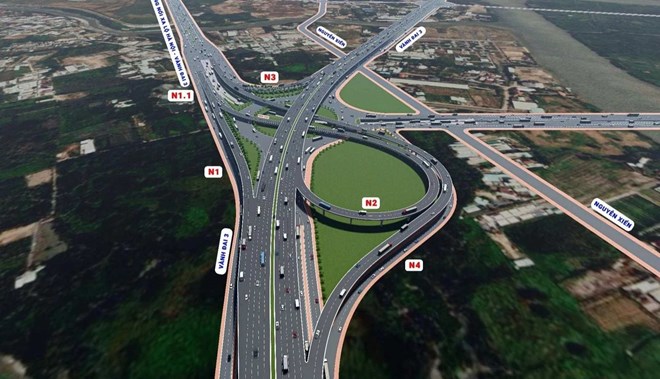
This route will not only alleviate traffic congestion but also drive development in suburban areas, facilitating rapid connectivity between Ho Chi Minh City and neighboring provinces such as Dong Nai and Binh Duong. Construction is expected to commence in 2025 with completion anticipated in 2027, delivering significant long-term benefits to regional transportation and urban development.
3. Closing Ring Road 2
Ring Road 2 is a critical route connecting Ho Chi Minh City’s suburban areas but remains only partially completed. The Ring Road 2 completion project will connect areas including Phu Huu, Vo Nguyen Giap, and Pham Van Dong, helping to reduce traffic pressure on existing inner-city thoroughfares. This project is a vital component of Ho Chi Minh City’s comprehensive transportation development strategy.
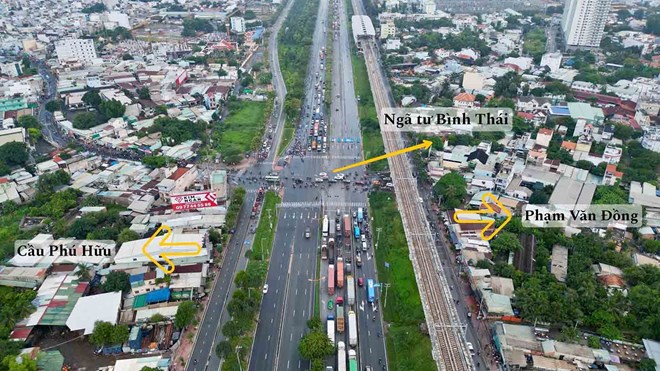
With a total investment exceeding 13 trillion VND, this project will establish a complete ring road system, addressing congestion at key traffic intersections throughout the city, particularly in high-density areas such as Phu Huu and Pham Van Dong. Construction is scheduled to begin in late 2025 with completion by 2027, establishing a robust transportation network for the greater Ho Chi Minh City metropolitan area.
4. Expanding the Ho Chi Minh City – Long Thanh Expressway
Although the Ho Chi Minh City – Long Thanh Expressway currently plays a vital role in connecting Ho Chi Minh City with the Eastern provinces, increasing traffic volumes have resulted in significant congestion, particularly during peak hours. The Ho Chi Minh City – Long Thanh Expressway expansion project will address these challenges by increasing lane capacity, improving traffic flow, and enhancing connectivity between Ho Chi Minh City and the Southeast provinces.
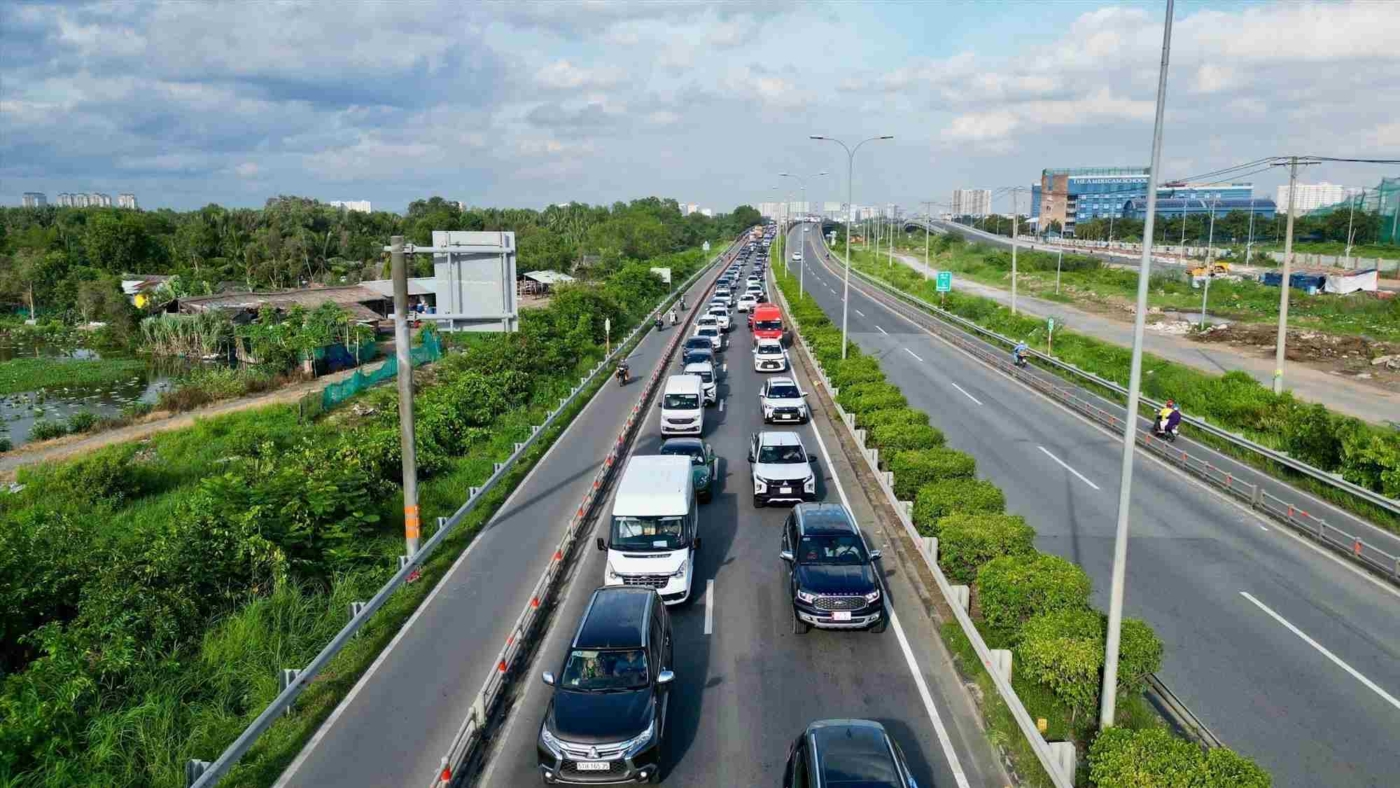
With a total investment of VND 8,000 billion, the project will expand roadways from National Highway 1A to the area near Dong Nai bridge. This is a critical initiative designed not only to alleviate traffic congestion but also to catalyze economic development throughout the Southeast region. Construction is expected to commence in 2025, with completion targeted for 2027.
Benefits and Impacts of These Projects
Upon completion, these four transportation projects will not only resolve traffic congestion in eastern Ho Chi Minh City but also significantly enhance quality of life. An efficient traffic network will reduce traffic accidents, minimize travel times, and create favorable conditions for the development of surrounding urban areas.
Furthermore, these projects will drive economic growth, create opportunities for industrial park and residential area expansion, improve labor productivity, and facilitate trade—particularly between Ho Chi Minh City and the eastern provinces.
Ho Chi Minh City continues to pursue comprehensive solutions to existing traffic challenges. With the implementation of these projects, eastern Ho Chi Minh City is poised to emerge as a thriving development hub, featuring a modern, well-integrated transportation network that will establish a strong foundation for sustainable growth in the years ahead.