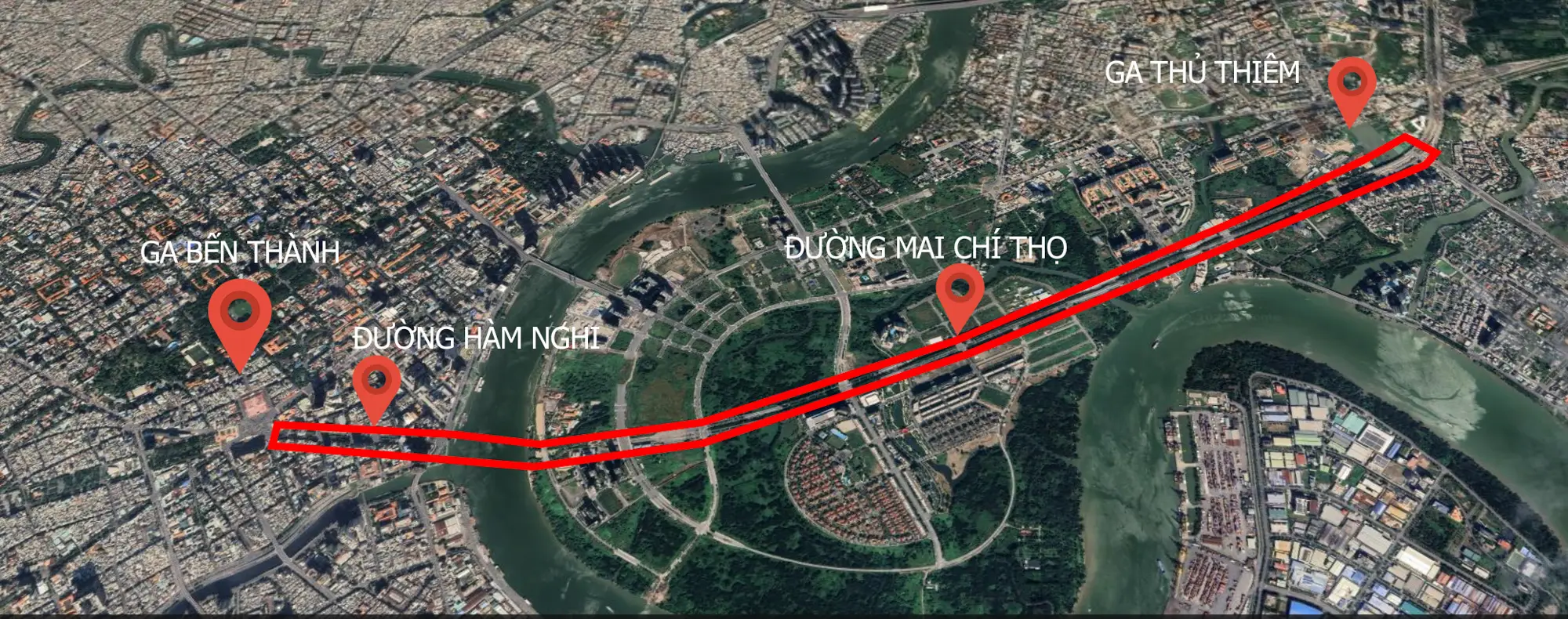
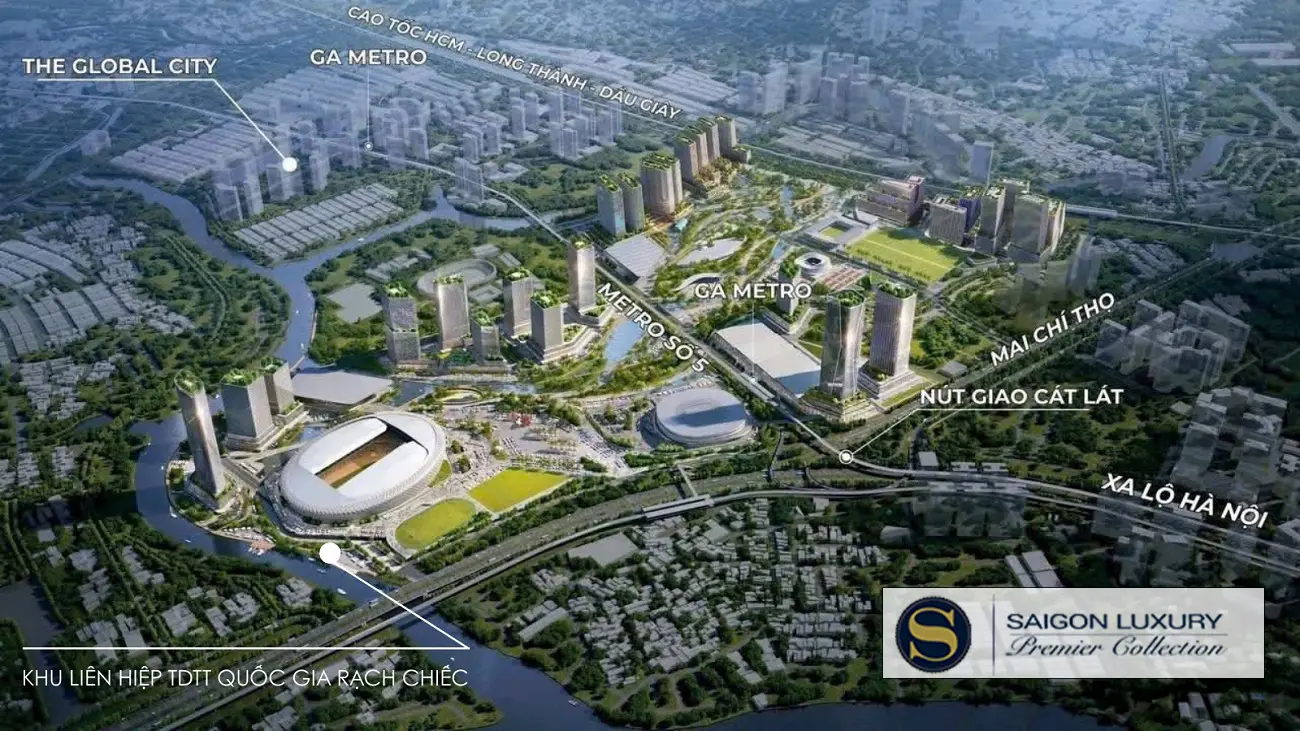
Ho Chi Minh City is continuing to refine its planning for the Thu Thiem New Urban Area, reallocating land resources, infrastructure, and urban functions to align with the next phase of development. The overarching strategy emphasizes increased commercial capacity and enhanced support functions while maintaining the structural integrity of the master plan.
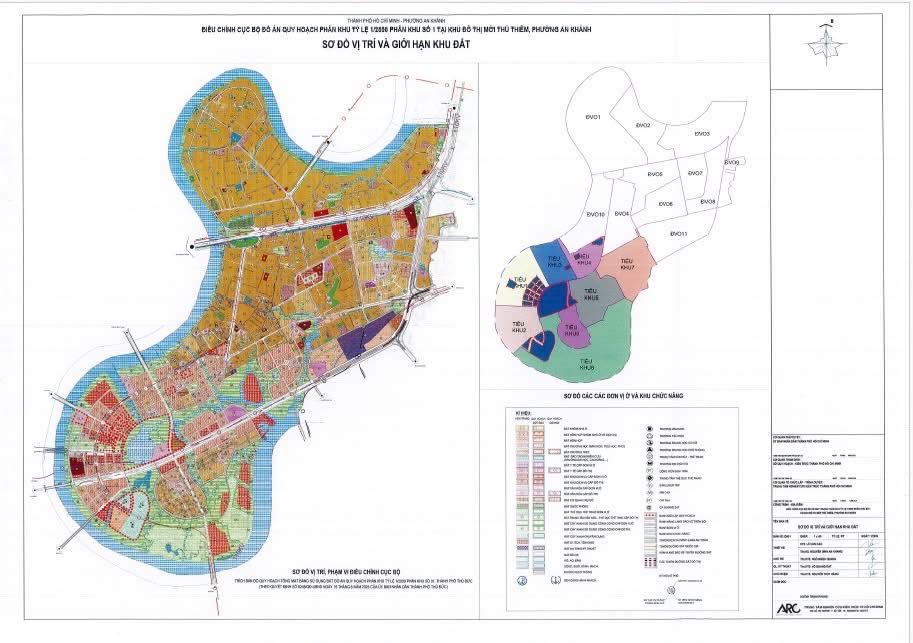
Within this framework, subdivision 2C (southern Thu Thiem area) stands out as a significant planning adjustment: transitioning from a Culture & Sports function to a Southern Complex, fundamentally reshaping the role of the Southern Thu Thiem corridor over the next 10–20 years.
1) Subdivision 2C: A shift in “function” that redefines “urban role”
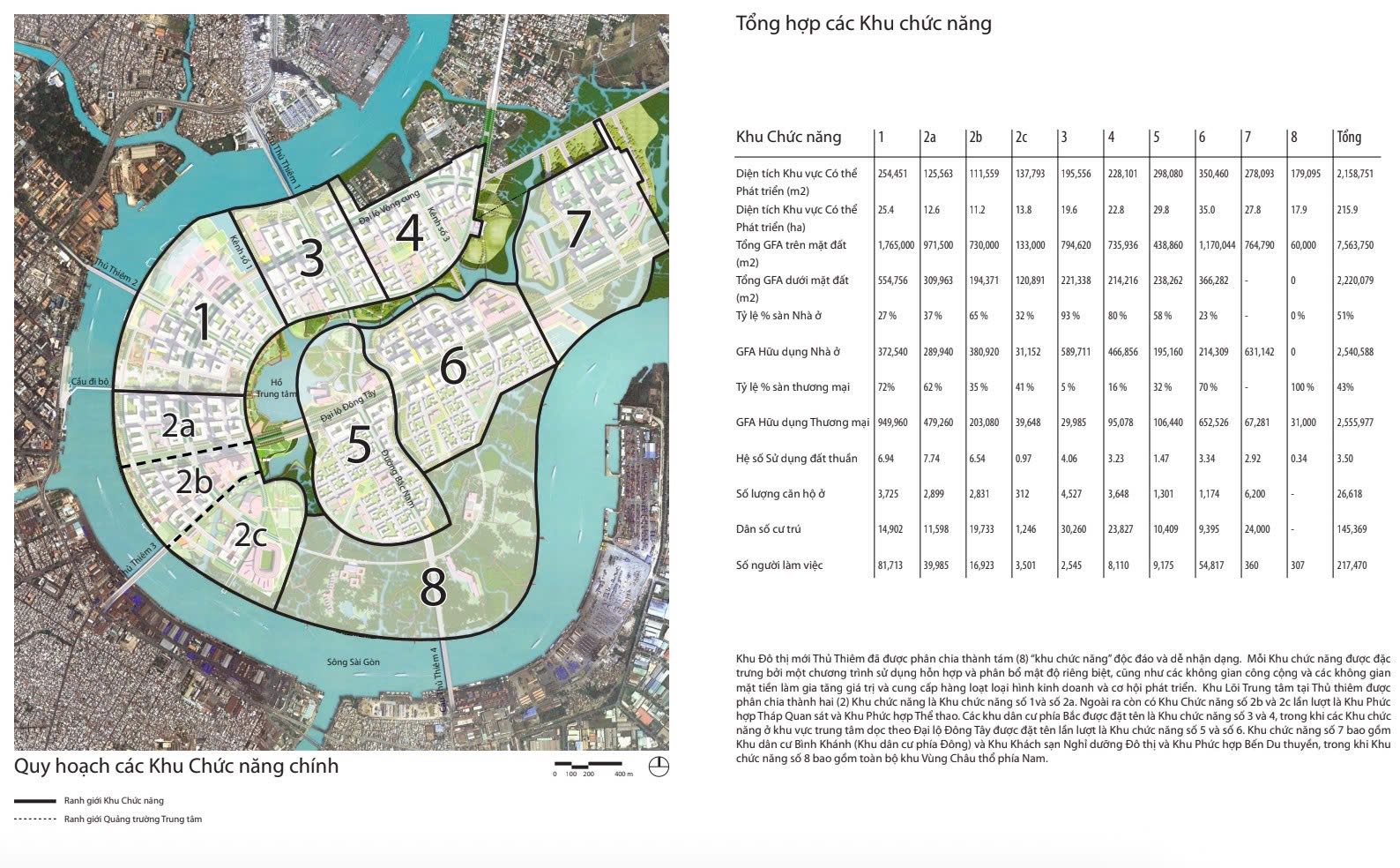
Whereas Thu Thiem subdivision 2C was previously oriented toward public space and cultural-sports venues, the revised plan repositions this area as a core urban hub:
- High-rise mixed-use complex (residential, commercial, services, and urban amenities)
- Expanded capacity for riverside commerce and evening entertainment
- A strategic anchor for Thu Thiem’s emerging central district upon completion of connecting infrastructure
2) Development scale: Key parameters attracting market attention
According to widely circulated real estate industry information regarding the revised direction for 2C, the anticipated scale is substantial:
- Area: approximately 32 hectares
- Total construction floor area: approximately 1.32 million m²
- Estimated population: approximately 10,000 residents (roughly 2,800–3,000 units)
- Maximum building height: 69 floors (approximately 270 meters)
3) Strategic location: Positioned at the Thu Thiem 3 Bridge with connectivity to District 4
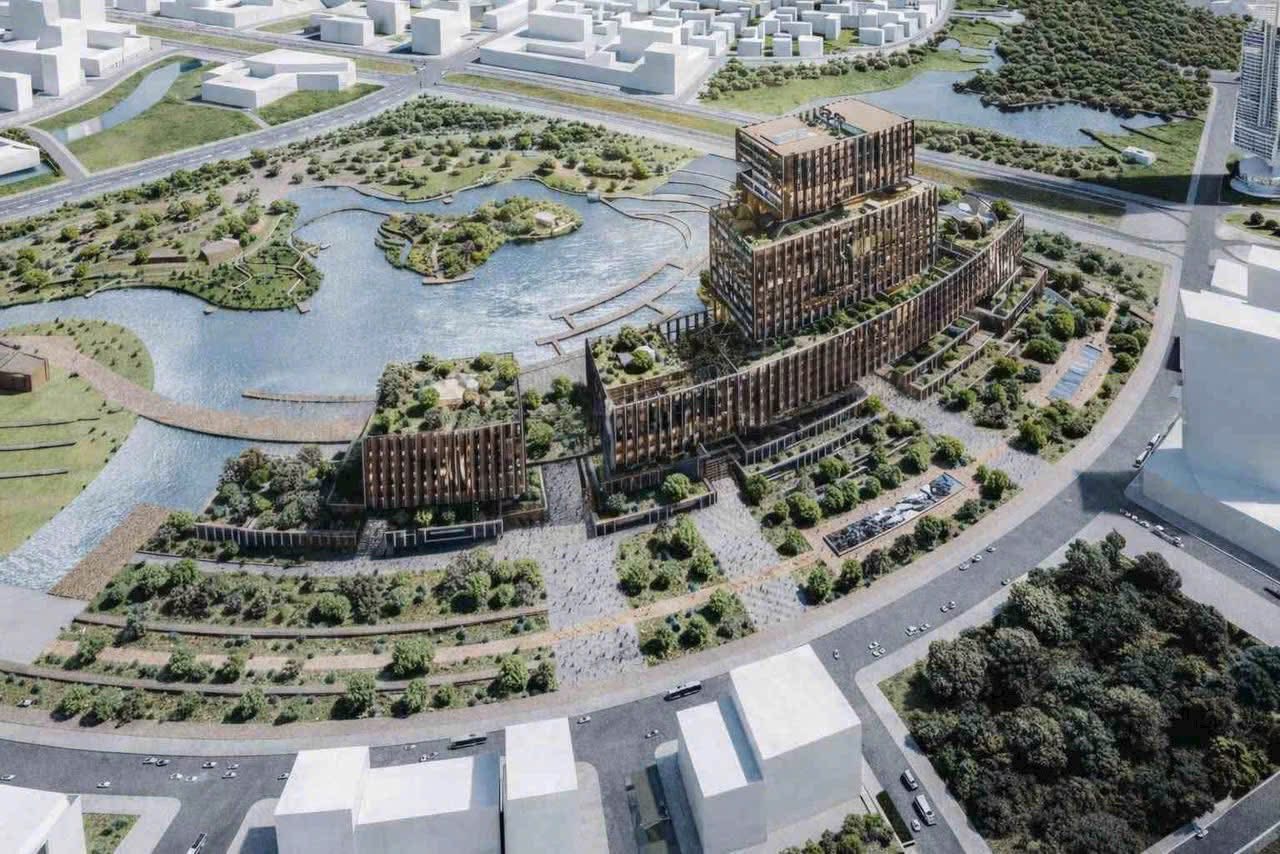
What distinguishes 2C is its southern gateway location, positioned directly along the planned connection route between District 4 and Thu Thiem (via the Thu Thiem 3 Bridge). Once this connection is completed, South Thu Thiem will gain a vital new access route to the city center, enabling:
- Reduced travel times and improved traffic flow
- Enhanced commercial value through retail, dining, services, and office spaces
- Strengthened urban presence in South Thu Thiem, particularly through elevated commercial podiums and vibrant street-level services
4) Macro Significance: South Thu Thiem Enters the High-Rise Urbanization Phase
For years, Thu Thiem has flourished within established core districts that have developed integrated ecosystems (central clusters, riverside zones, and developed areas). The repositioning of 2C to the Southern Complex signals that Ho Chi Minh City is strategically “opening a new growth pole” to:
- Balance development across the central core, riverside axis, and southern district
- Create a project portfolio substantial enough to attract strategic investors and integrated mixed-use models
- Enhance capacity for residential, commercial, and service offerings within this emerging central hub
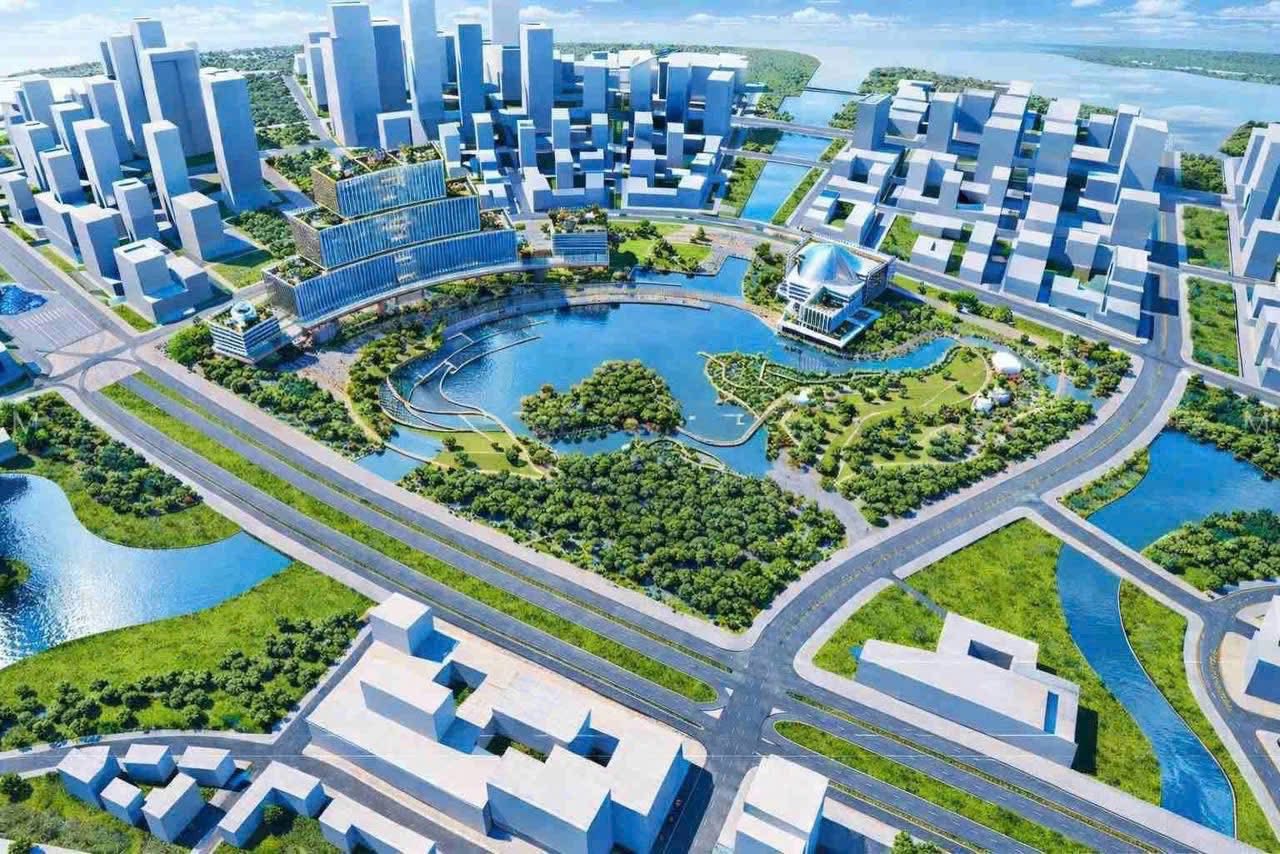
Concurrently, Ho Chi Minh City is refining its master plan to reorganize key projects and reinforce central functions—including administrative, cultural, and urban services—while maintaining the total built-up area. The approach prioritizes optimized allocation and improved land utilization efficiency.
5) Conclusion: 2C Transforms from “Secondary Location” to “Strategic Anchor” for the Next 20 Years
Viewed through the lens of urban development cycles, the repositioning of 2C to the Southern Complex indicates that:
- South Thu Thiem is entering an accelerated development phase
- Thu Thiem’s expansion extends beyond the existing core, now establishing new growth poles anchored by emerging infrastructure connections
- 2C is positioned to become a prominent high-rise landmark and a key commercial gateway for Thu Thiem over the next 10–20 years