English
 Tiếng Việt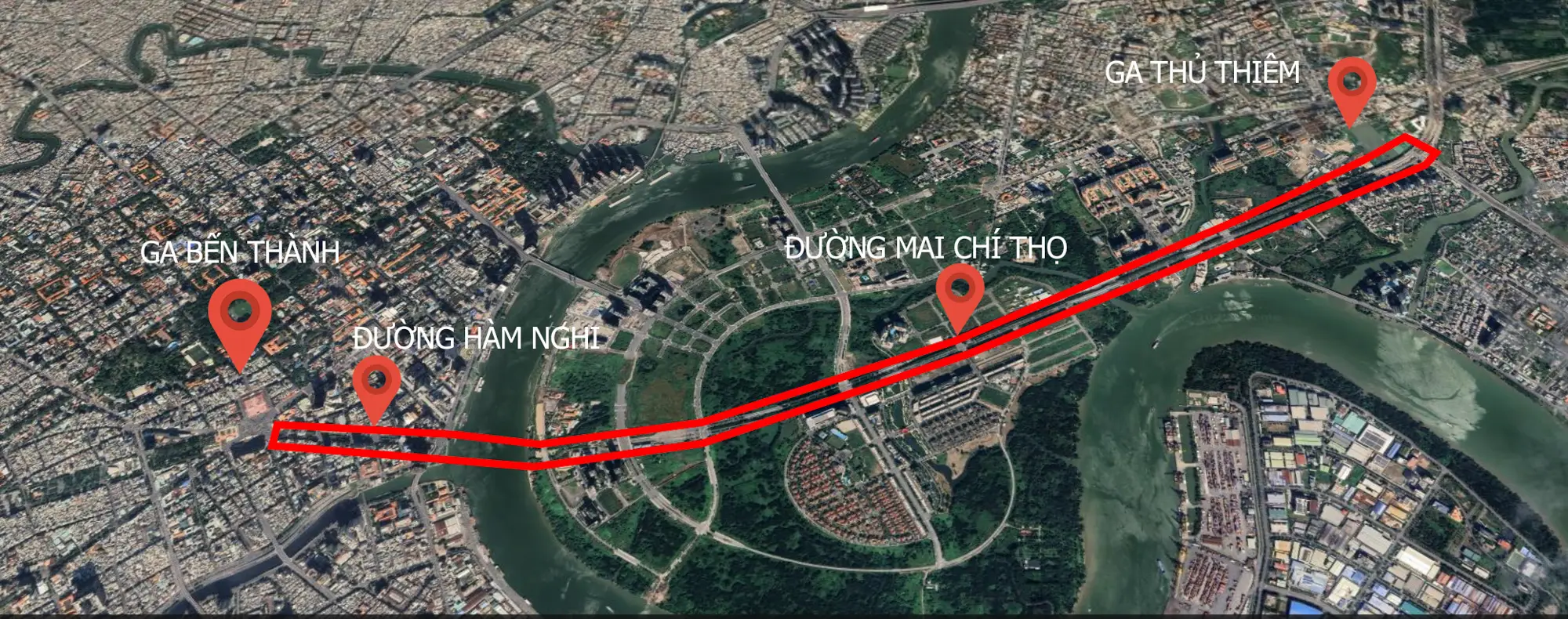
There are infrastructure projects that do not merely create another connection route, but fundamentally transform how a city perceives its own future. The Ben Thanh – Thu Thiem Metro Line 2A is precisely such a story.
For years, Thu Thiem has been regarded as the eagerly anticipated expansion of Ho Chi Minh City’s central business district — a place where modern urban planning converges with rare riverfront land along the Saigon River, iconic new landmarks, and forward-thinking development aligned with international standards. Yet for any emerging center, planning excellence alone is insufficient. What truly generates lasting appeal is connectivity. And as the metro narrative draws closer to Thu Thiem, this urban district simultaneously moves closer to realizing the role it has long been expected to play: becoming a vibrant new hub for living, working, and investing in Ho Chi Minh City.
When the distance between District 1 and Thu Thiem is no longer measured by mere perception
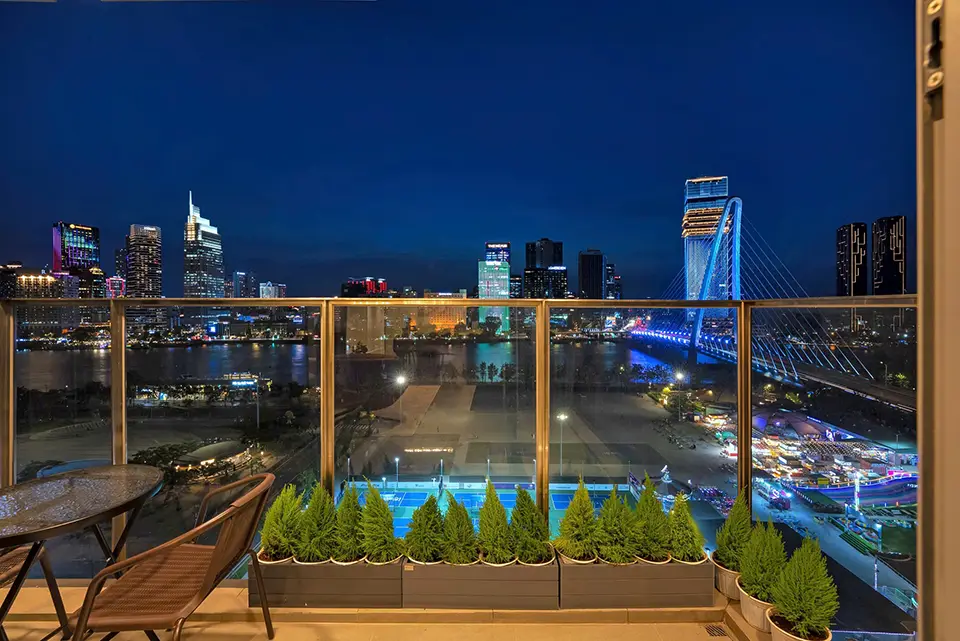
One of Thu Thiem’s most compelling advantages is its proximity to District 1 — so close that one can see the skyline of the existing central core simply by looking across the riverbank. Yet for many, that distance still persists as a psychological barrier: the established center on one side, the future center on the other.
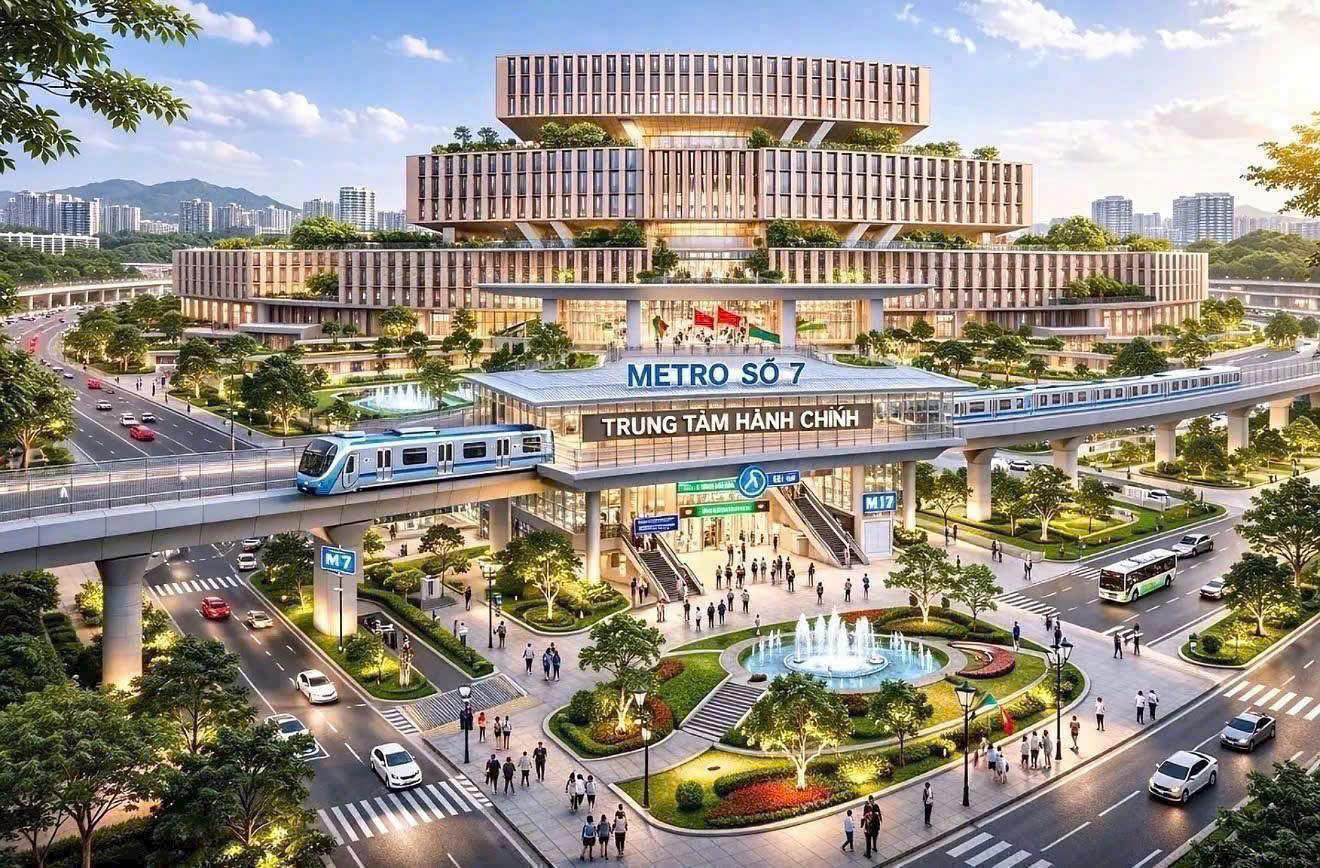
Metro Line 2A’s Ben Thanh – Thu Thiem segment, if implemented according to current plans, will help dissolve that boundary. When travel between Ben Thanh and Thu Thiem becomes faster, more seamless, and more modern, Thu Thiem’s value will no longer rest solely on its proximity advantage to District 1, but rather on the fact that this area becomes genuinely integrated into the city’s central rhythm of life.
This is when Thu Thiem transitions from being viewed as a beautiful urban district across the river to being perceived as a natural extension of Ho Chi Minh City’s downtown.
Metro is not merely transportation infrastructure—it is the infrastructure of value
For major cities worldwide, metro infrastructure has never been solely about transit. Each new metro line typically catalyzes significant shifts in how residents choose where to live, how businesses select their locations, and how capital flows toward districts with strong long-term growth potential.
Thu Thiem already possesses many distinguished attributes: thoughtful urban planning, expansive open spaces, scenic riverfront views, a comprehensive network of major thoroughfares, and numerous premium real estate developments. When a district with such strengths is further reinforced by urban rail infrastructure directly connecting it to Ben Thanh, its appeal becomes increasingly compelling for both owner-occupants and long-term investors.
The appeal of luxury real estate extends beyond the beauty of an apartment or the elegance of a building—it encompasses how the entire surrounding environment enhances the living experience. From this perspective, metro infrastructure is an integral component of tomorrow’s lifestyle: faster commutes, enhanced urban sophistication, reduced reliance on surface transportation, and closer proximity to the city center’s vibrant pulse.
Thu Thiem is gradually establishing itself as a new urban center
Few areas in Ho Chi Minh City possess as many simultaneous advantages as Thu Thiem: strategic location opposite District 1, substantial land resources, strategic urban planning, continuously improving infrastructure systems, and ample development capacity to establish a new-scale urban center.
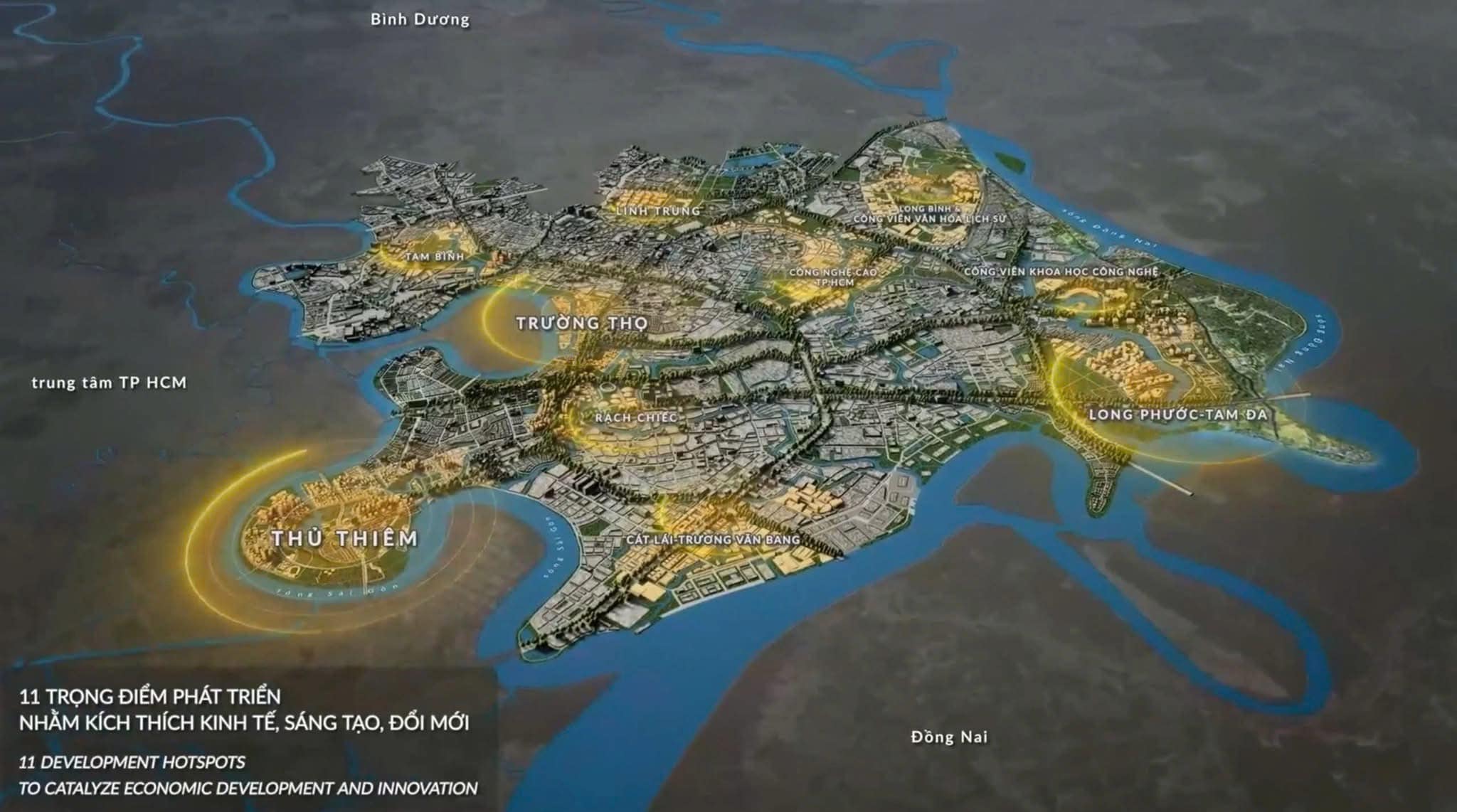
For this reason, every development initiative in Thu Thiem—whether bridges, roads, plazas, functional centers, or metro infrastructure—should be viewed not as isolated projects but as interconnected pieces of a larger vision: the emergence of a new downtown for Ho Chi Minh City.
Within this framework, Metro Line 2A Ben Thanh – Thu Thiem holds exceptional significance. It does not merely add another layer of connectivity; it creates continuity between the existing central core and the emerging new center. In essence, this metro line enables Thu Thiem to become an integral “part of the center” more distinctly than ever before.
Why should real estate investors closely follow this development?
The real estate market operates on two distinct value layers: current value and future value.
Thu Thiem’s current value is evident: prime location, scenic beauty, premium living environment, prestigious developments, and close proximity to District 1. However, what truly captivates discerning investors and informed buyers is the second layer: its future potential.
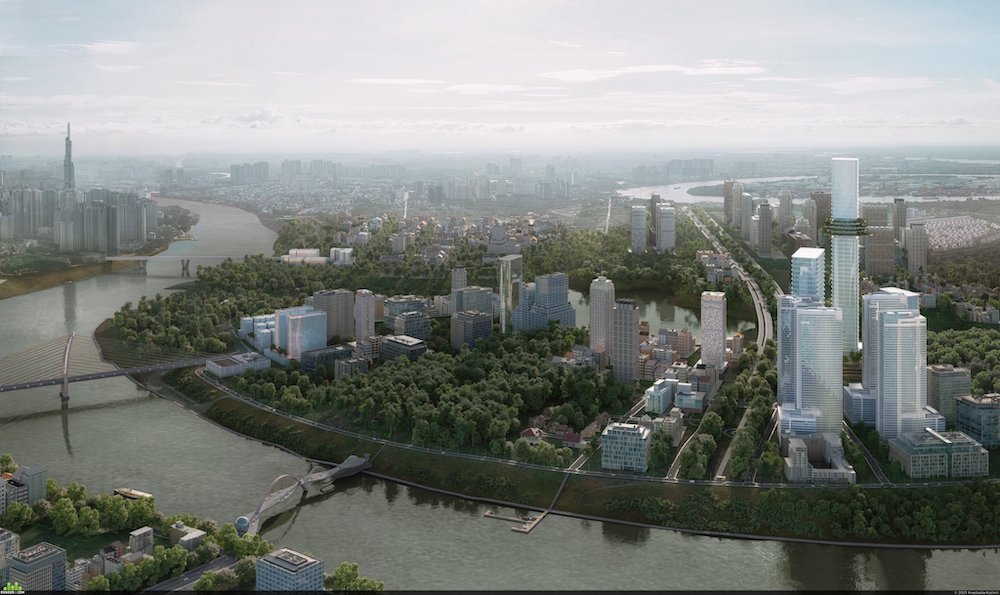
This future is anchored in infrastructure development, urban planning direction, the growing importance of the eastern zone in the city’s structure, and Thu Thiem’s evolution as a hub for an elevated standard of living. Metro Line 2A—the Ben Thanh to Thu Thiem section—is more than transportation news; it signals the city’s commitment to prioritizing this area in Ho Chi Minh City’s long-term development strategy.
-> You may be interested in: What will Thu Thiem Urban District look like in 2030?
For owner-occupants, this reinforces confidence in quality of living and enhanced connectivity. For investors, this represents a critical indicator for assessing long-term asset value in alignment with urban development trends.
Thu Thiem is worth more than living in—it’s worth studying closely now
In luxury real estate, the optimal time to invest is not when all value has been fully realized, but when the market clearly recognizes growth drivers ahead. Thu Thiem is at precisely this stage.
This urban district has established its position, character, and caliber. What is unfolding now is the refinement of conditions that will reinforce this position and ensure its sustainability in the market’s perception. The Ben Thanh–Thu Thiem Metro is integral to this progression.
Therefore, viewing Thu Thiem solely as a location for beautiful riverside developments may not capture the full picture. This district also merits close attention from the perspective of infrastructure, urban planning, and the city’s evolving center of gravity.
Conclusion
Metro Line 2A Ben Thanh–Thu Thiem represents an important infrastructure development, but more fundamentally, it illustrates how Ho Chi Minh City is expanding its center into a new space that is more modern, more organized, and brimming with greater potential.
Within this framework, Thu Thiem has emerged not only as a premier riverside urban district, but as a cornerstone of Ho Chi Minh City’s urban future. As infrastructure development continues to advance, the gap between expectations and reality in Thu Thiem will continue to narrow.
Quick Overview of Metro Line 2A: Ben Thanh – Thu Thiem
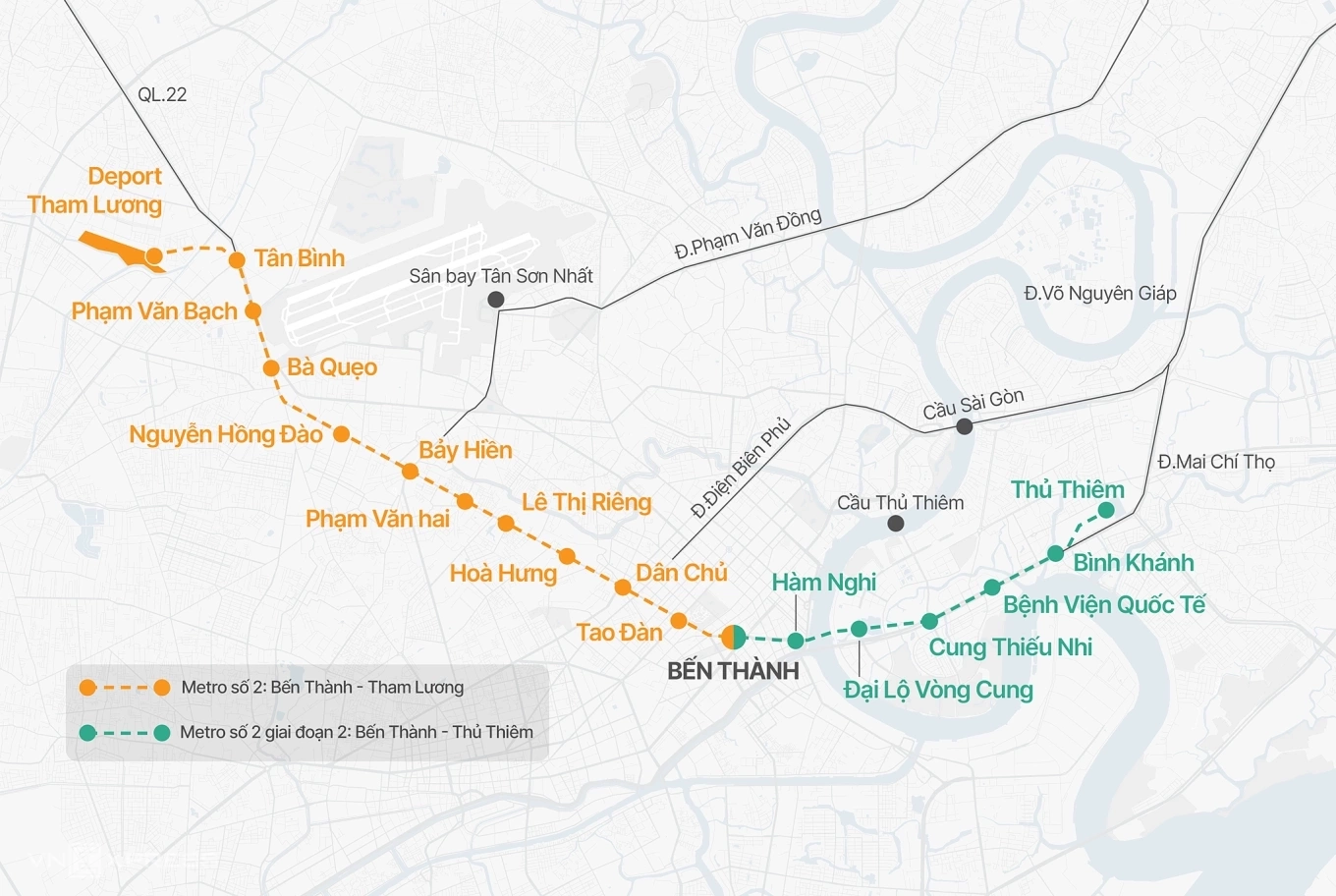
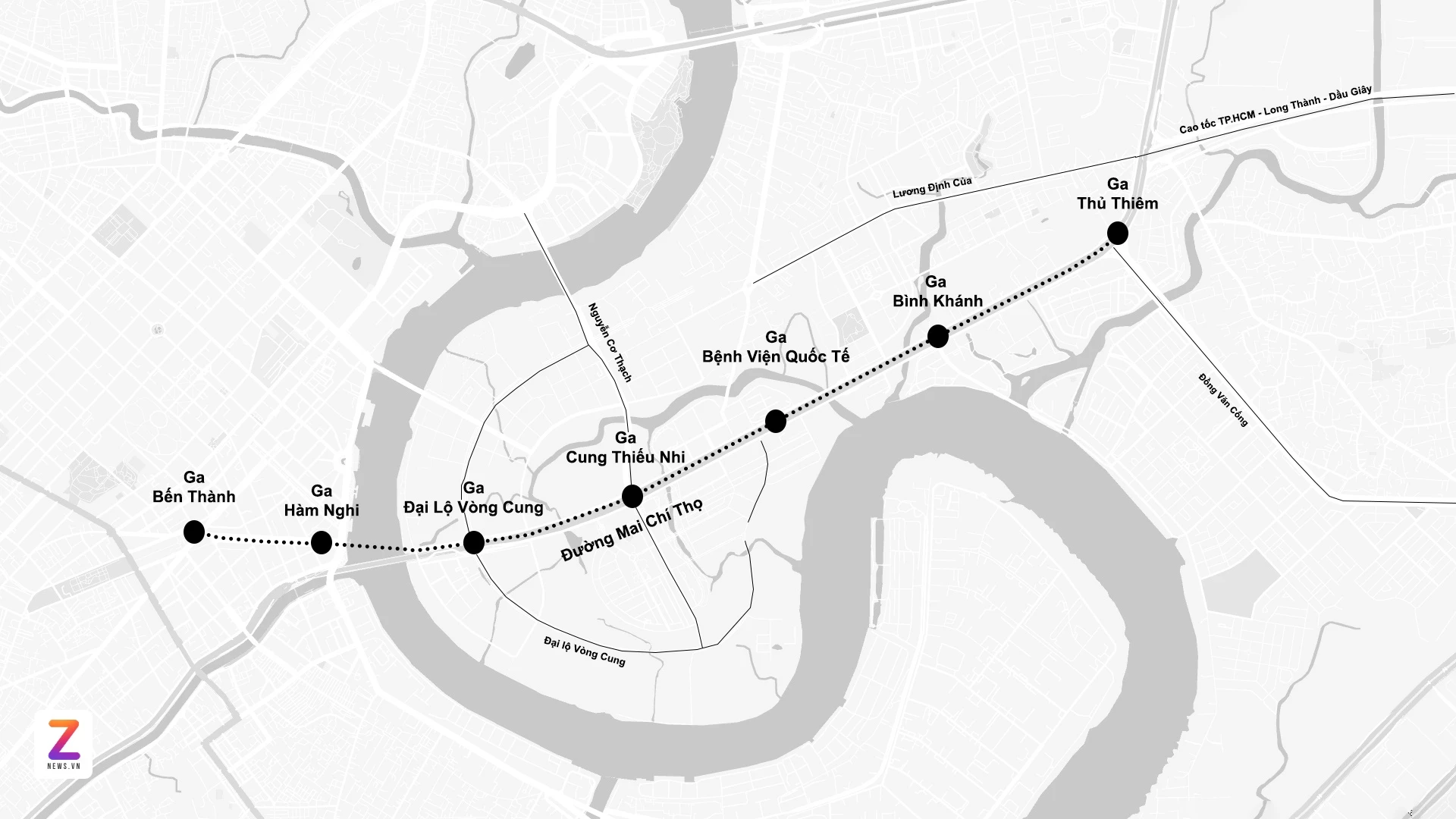
Metro Line 2A (Ben Thanh – Thu Thiem) is an underground metro project spanning approximately 6 km,
connecting central District 1 with the new Thu Thiem Urban District and featuring six planned underground stations. Major stations include Ham Nghi Station (near Ton Duc Thang) and stations within Thu Thiem’s central core, including Ring Boulevard Station and Children’s Palace Station.
Detailed station locations along Metro Line 2A (Ben Thanh – Thu Thiem):
- Ben Thanh Station (Terminal): Located at the center of District 1.
- Ham Nghi Station: Positioned on Ham Nghi Street within the financial and commercial district, featuring high-rise office buildings (Ben Nghe Ward, District 1).
- Thu Thiem Underground Station (Saigon River Crossing): Crosses the Saigon River to access the new Thu Thiem Urban District.
- Ring Boulevard Station (R1): Located along the primary transportation corridor encircling Thu Thiem’s core.
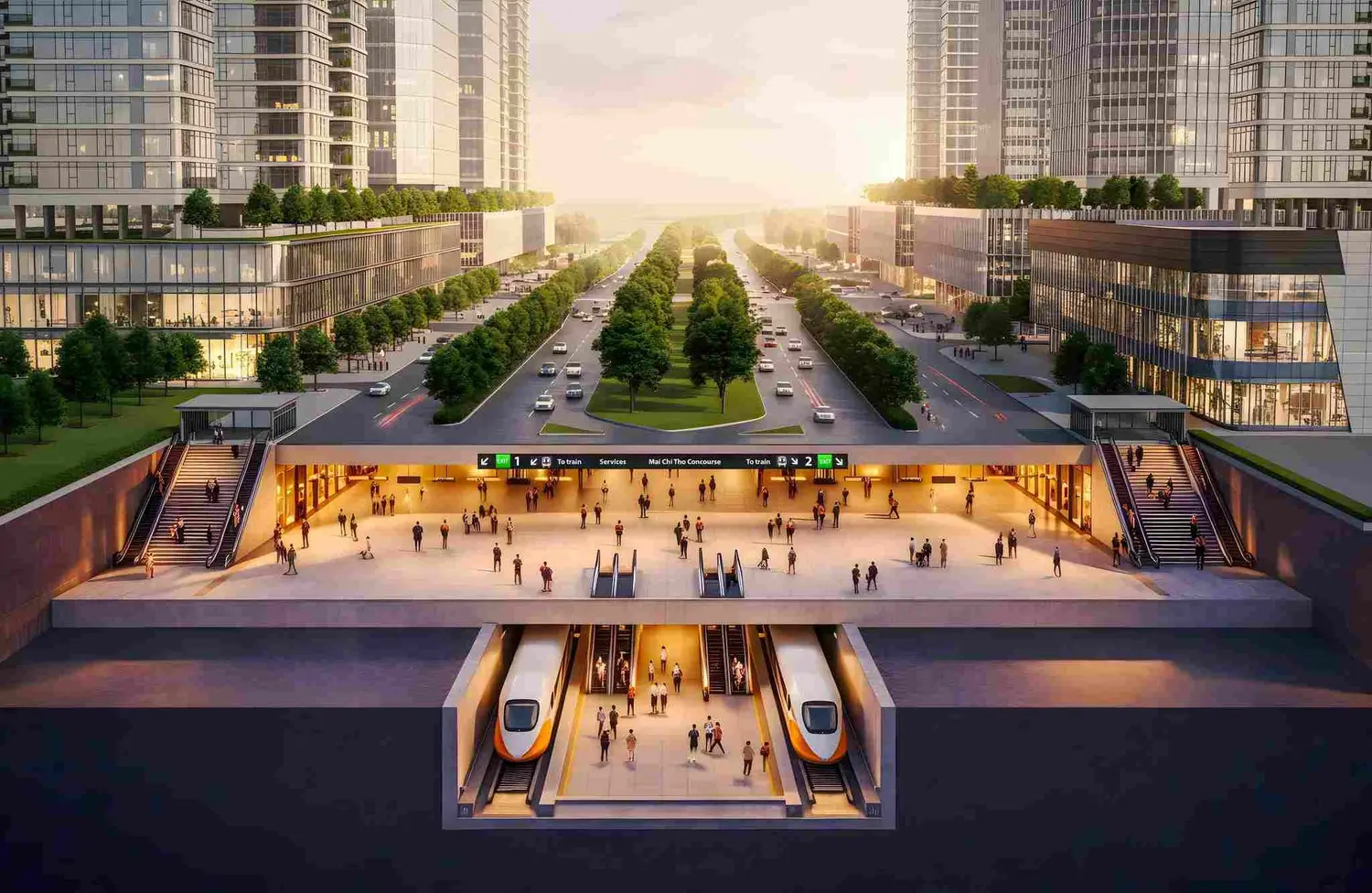
- Children’s Palace Station: Situated at the intersection of Nguyen Co Thach Street and Mai Chi Tho Boulevard, adjacent to the Political and Administrative Center.
Line 2A serves as the primary connection between key functional zones in Thu Thiem and the established city center, following a Transit-Oriented Development (TOD) model.
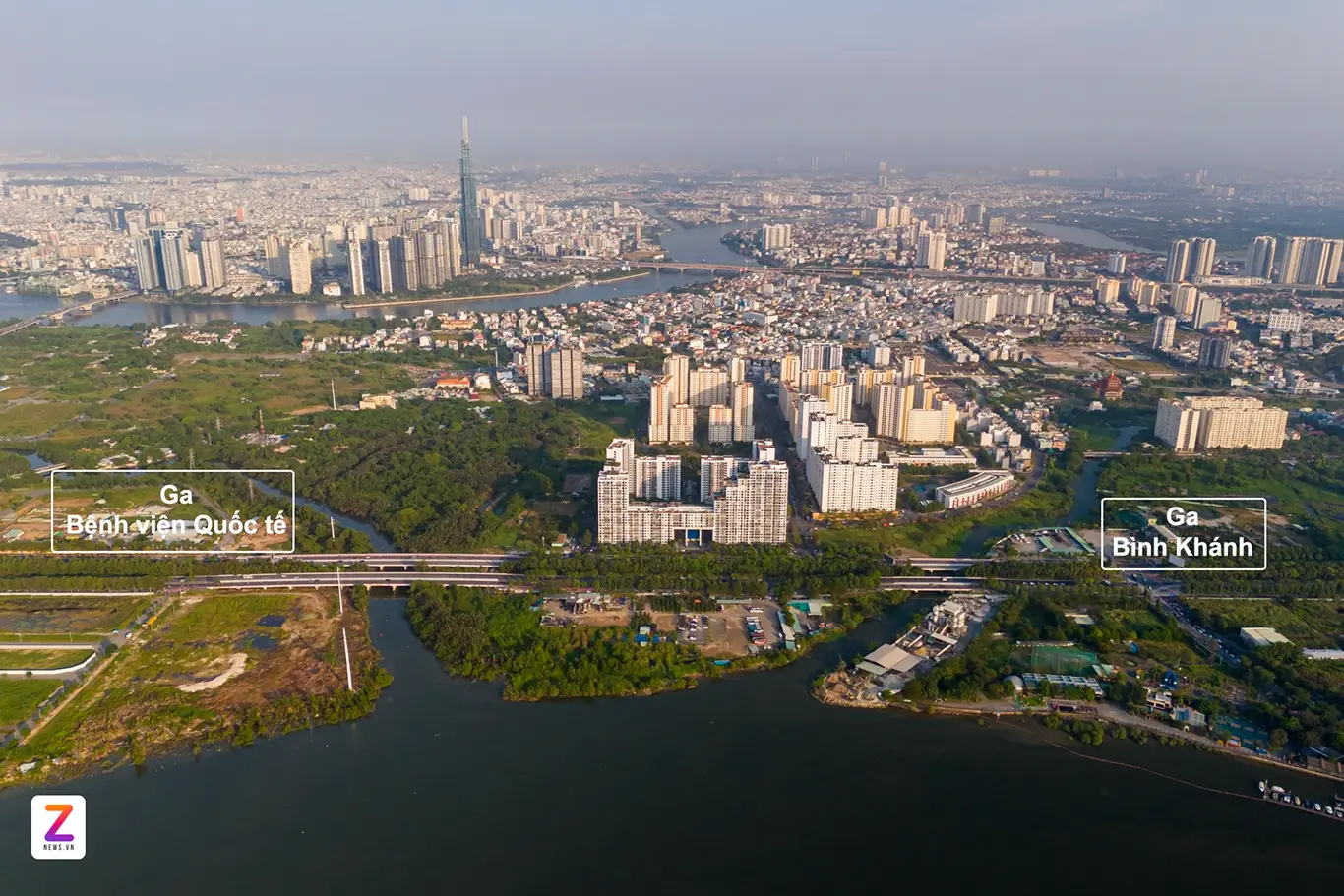
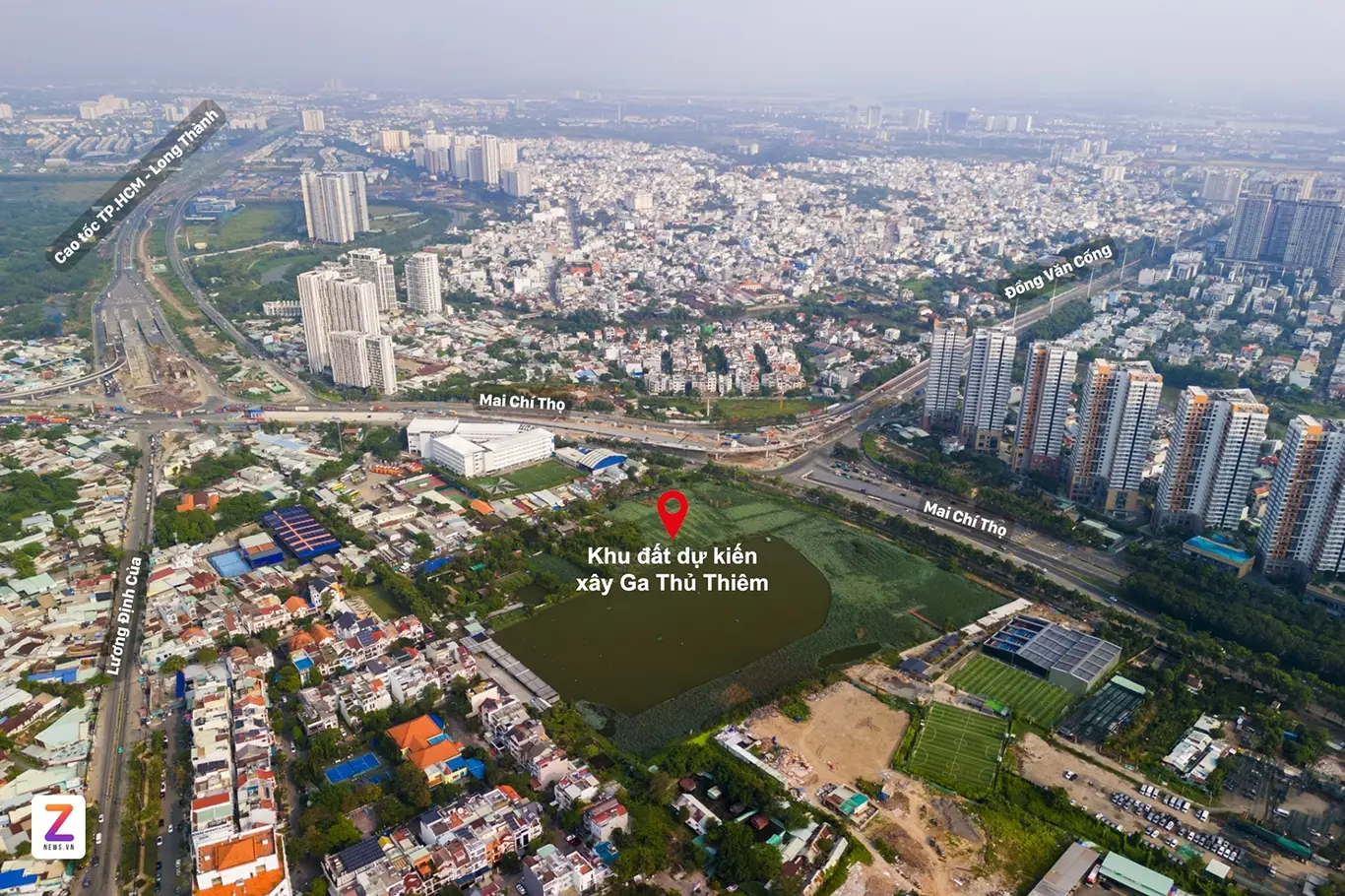
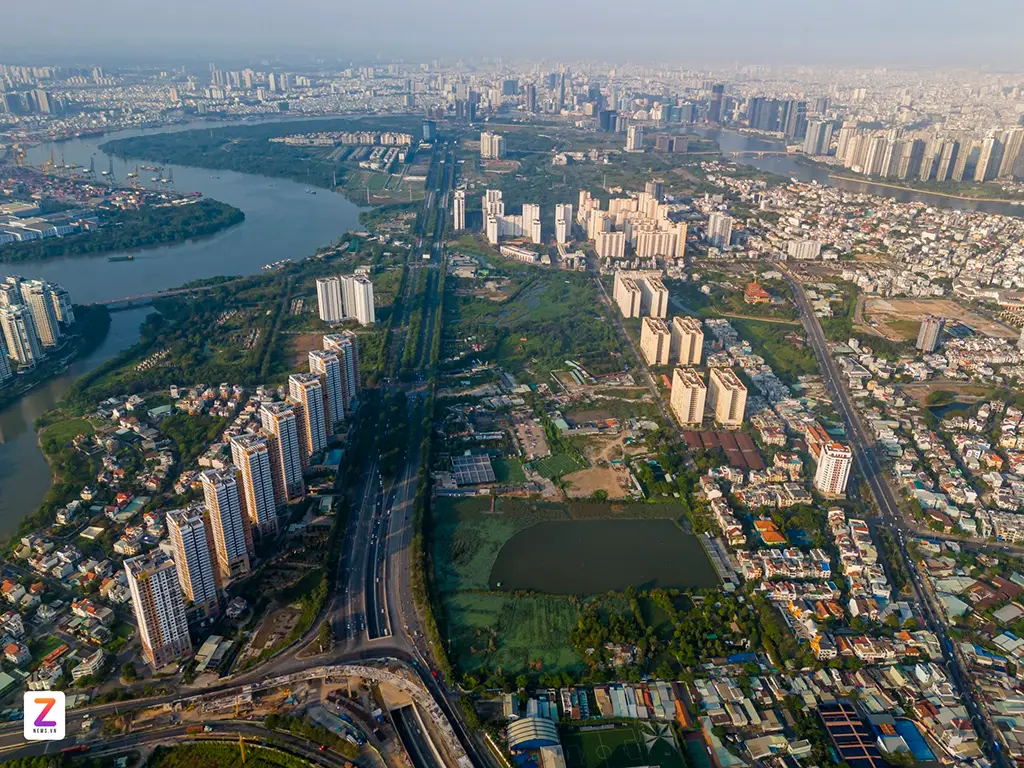
Current Status of Six Metro Stations on the Ben Thanh – Thu Thiem Line
Information as updated by Zing
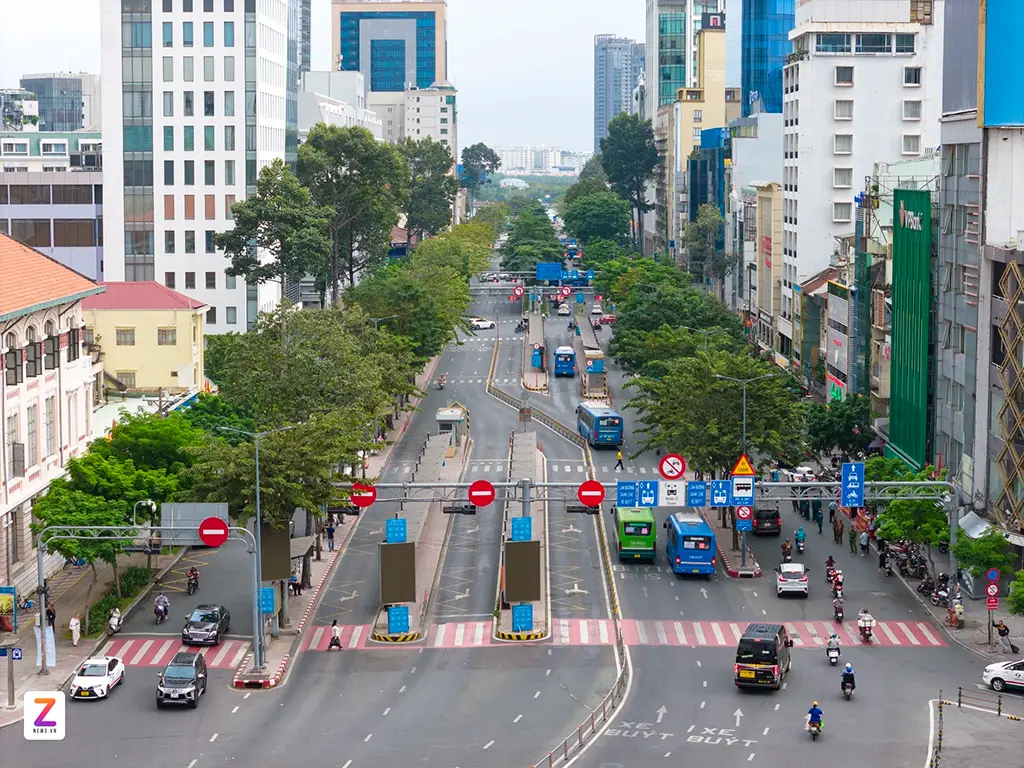
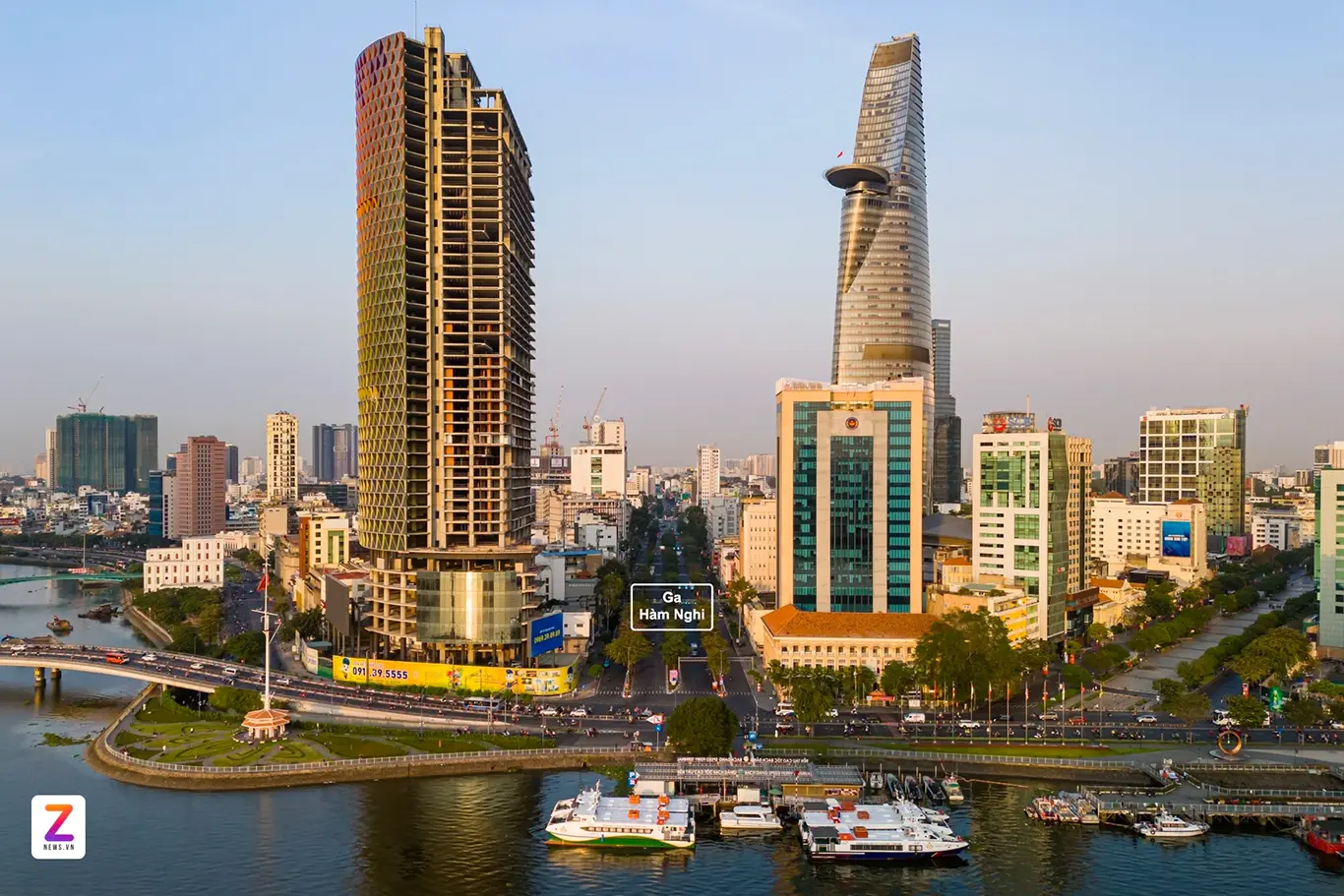
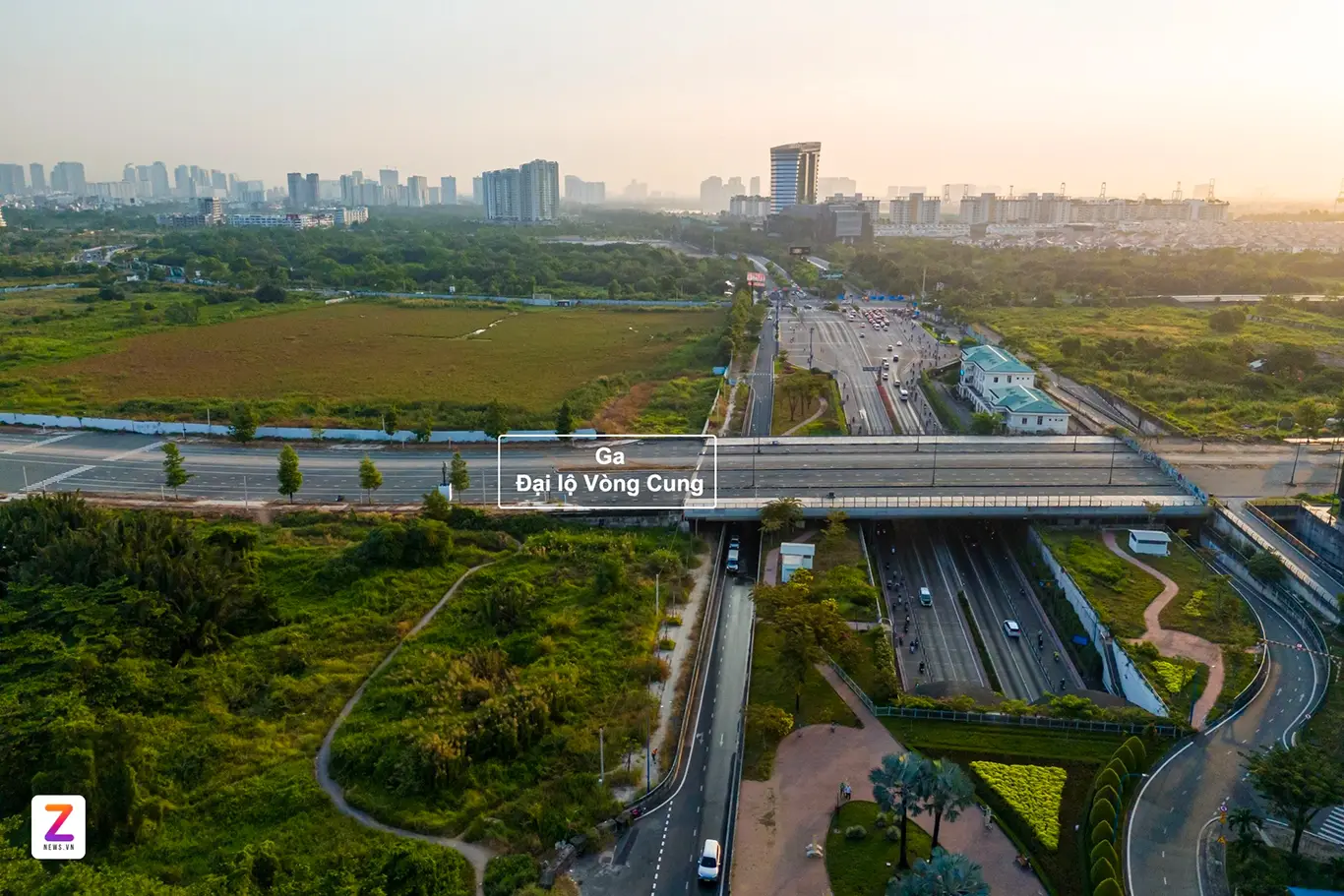
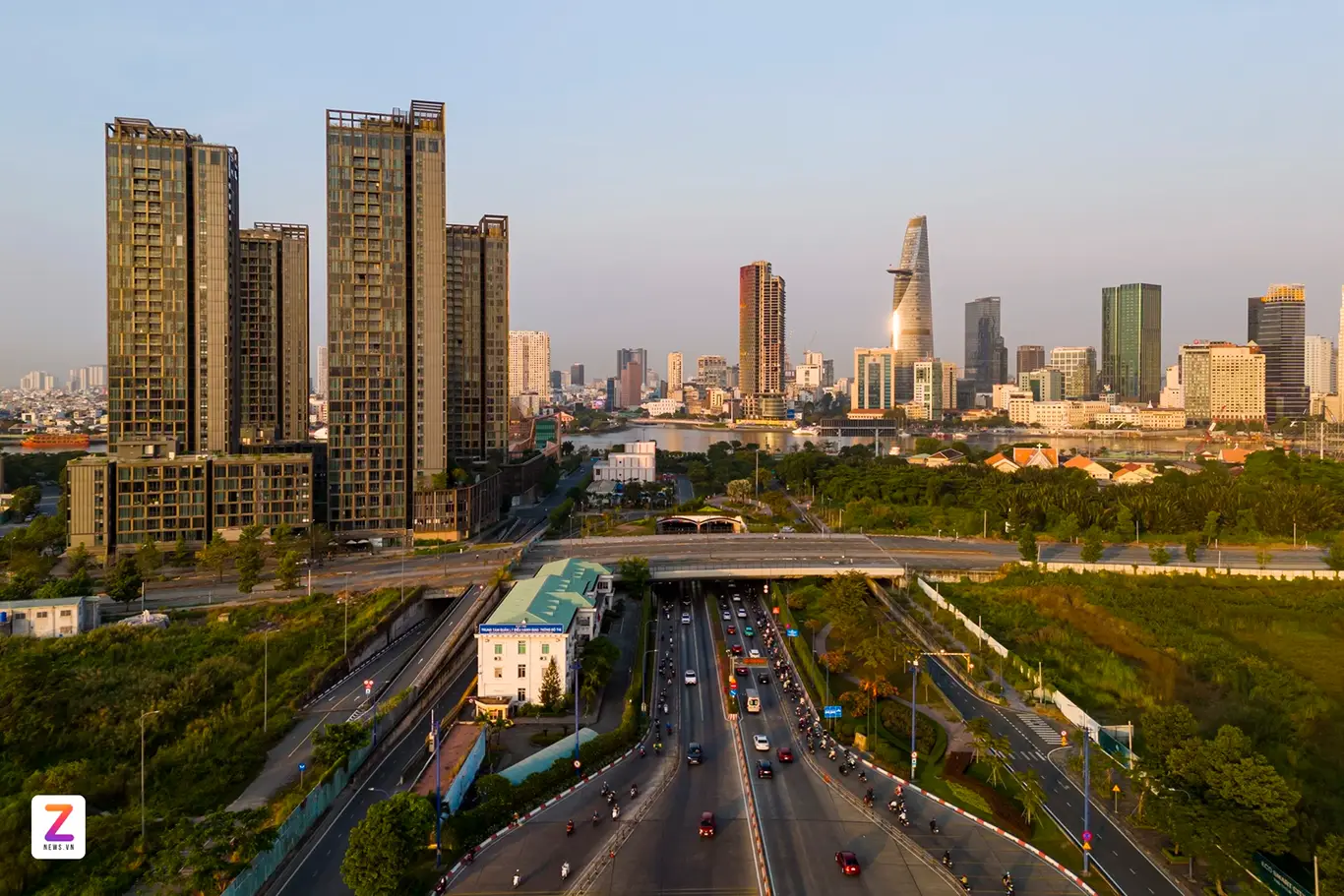
Integrating the metro station directly along this axis not only enhances passenger transportation capacity but also enables transit-oriented development (TOD) urban models that encourage residents to rely on metro transportation over private vehicles.
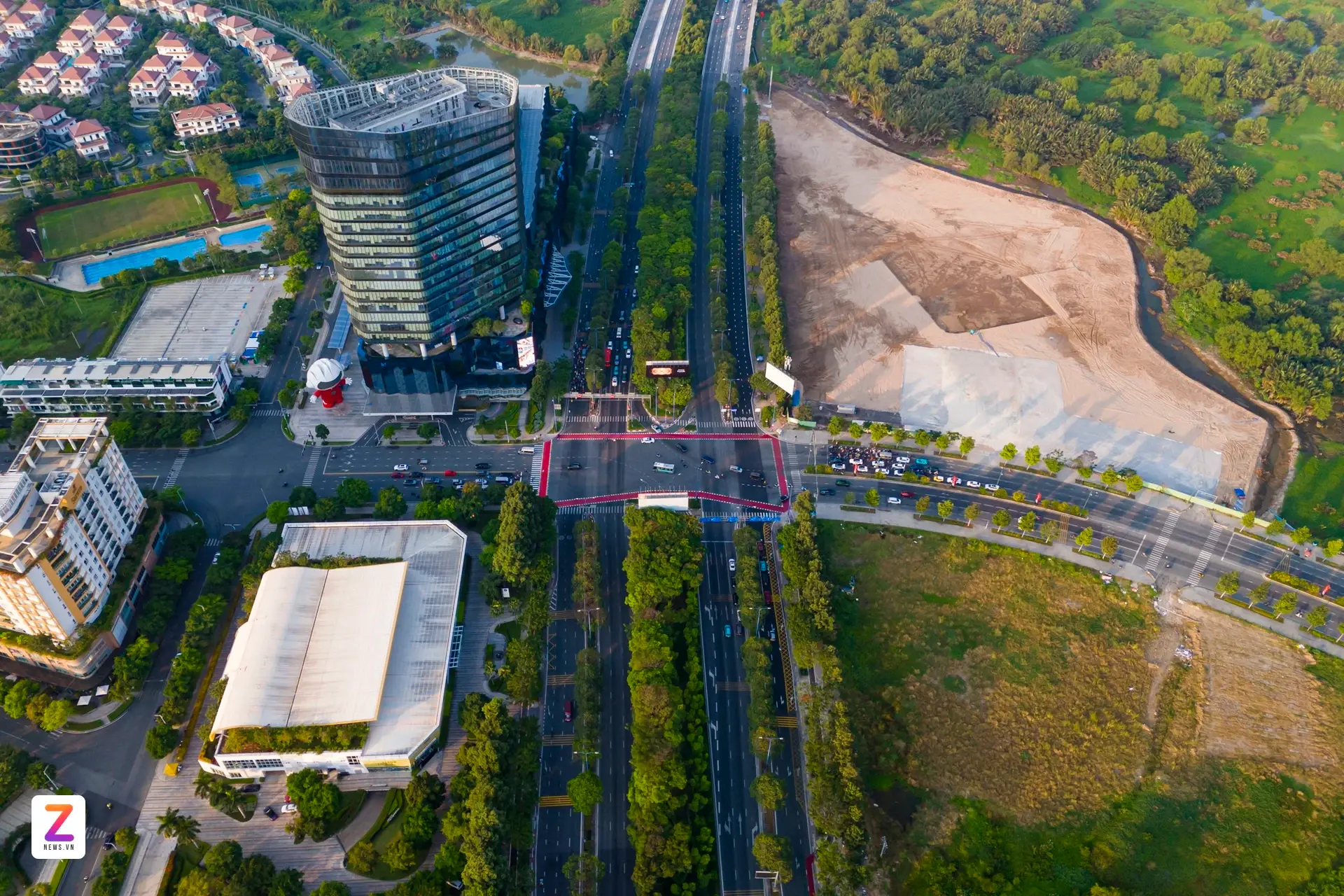
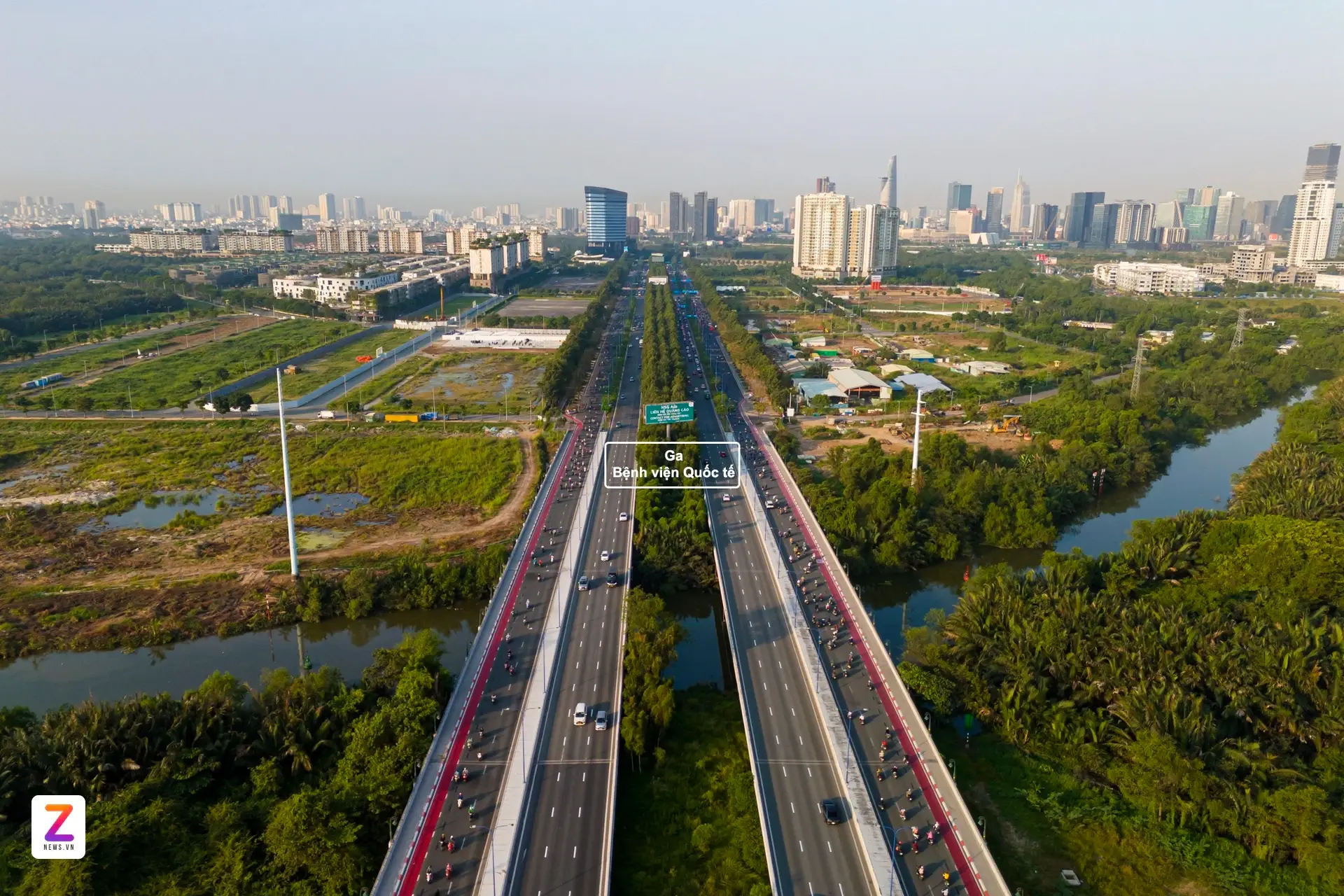
If you are interested in the development potential of the Thu Thiem urban district, now is the ideal time to gain deeper insights into not only individual projects but also the complete planning and infrastructure landscape shaping this area’s value. Explore our in-depth analyses and portfolio of real estate in Thu Thiem to select the right property that matches your needs for residence, asset accumulation, or long-term investment.