English
 Tiếng Việt
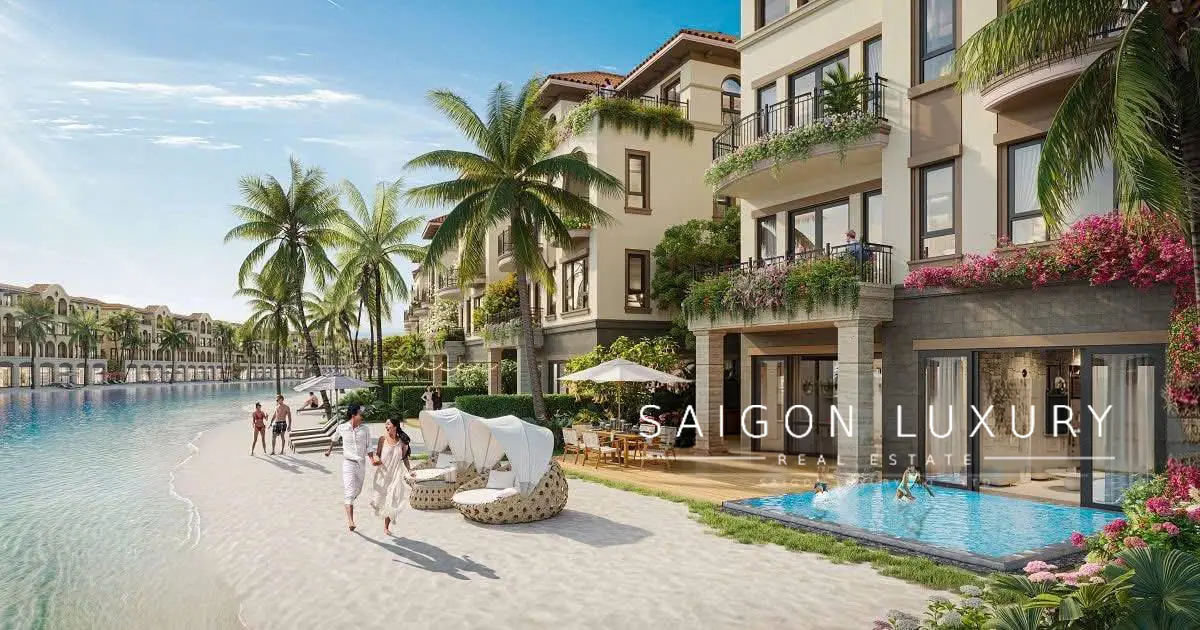
In this article, we explore exceptional waterfront luxury real estate projects that are capturing investor attention across Vietnam and examine the defining characteristics of this distinctive property type.
Former US President Donald Trump famously stated that real estate value is determined by “location, location, and location.” In the East, a parallel principle guides property selection: “First, proximity to the city; second, proximity to water; third, proximity to major roads.” An ideal residence, therefore, should be situated near a vibrant urban center, adjacent to a river or coastline, and well-connected by major transportation routes.
For waterfront luxury properties, buyers prioritize intended use, investment cost, natural setting, environmental quality, climate, and developer brand.
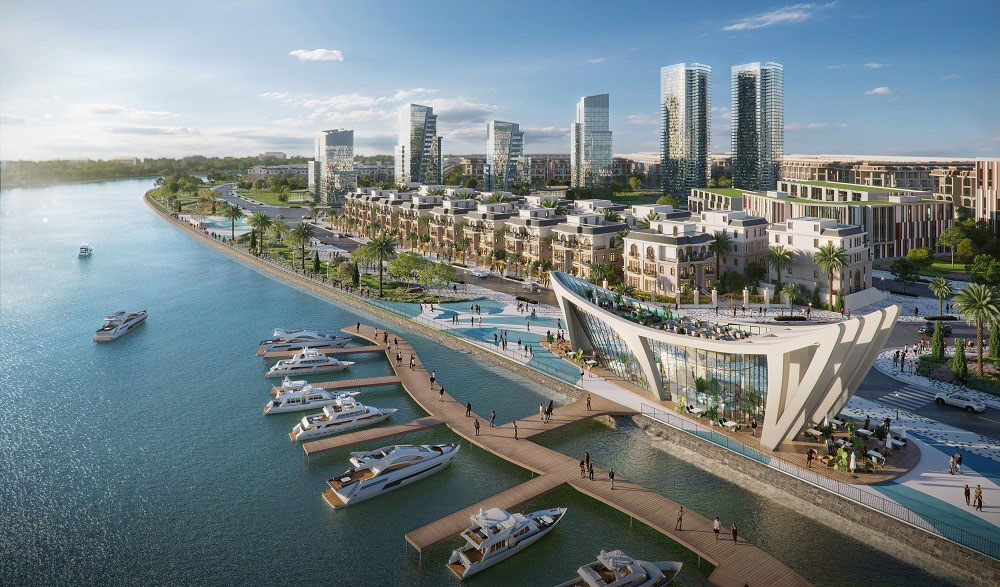
In Eastern feng shui philosophy, water is one of the five foundational elements, symbolizing health, fortune, prosperity, and good fortune. Consequently, waterfront positioning is a highly valued consideration when selecting a residence or developing property in Eastern markets, particularly in Vietnam.
Luxury real estate encompasses premium residential developments associated with distinguished brands and comprehensive services for both residents and investors. Branded residences are characterized by exceptional design, premium amenities, personalized service, and distinctive architecture. The concept of luxury residential living emerged in the 1920s with New York’s Sherry-Netherland Hotel.
The branded residence market gained significant momentum in the 1980s when The Four Seasons Hotel successfully introduced Four Seasons Place apartments, establishing the prestige of hotel brand association. Hotel-branded residences, a category within branded developments, have since expanded rapidly worldwide. These properties typically operate within a hotel structure reserved for private sales, or the entire residence is managed by a hotel brand providing comprehensive services, maintenance, and leasing management.
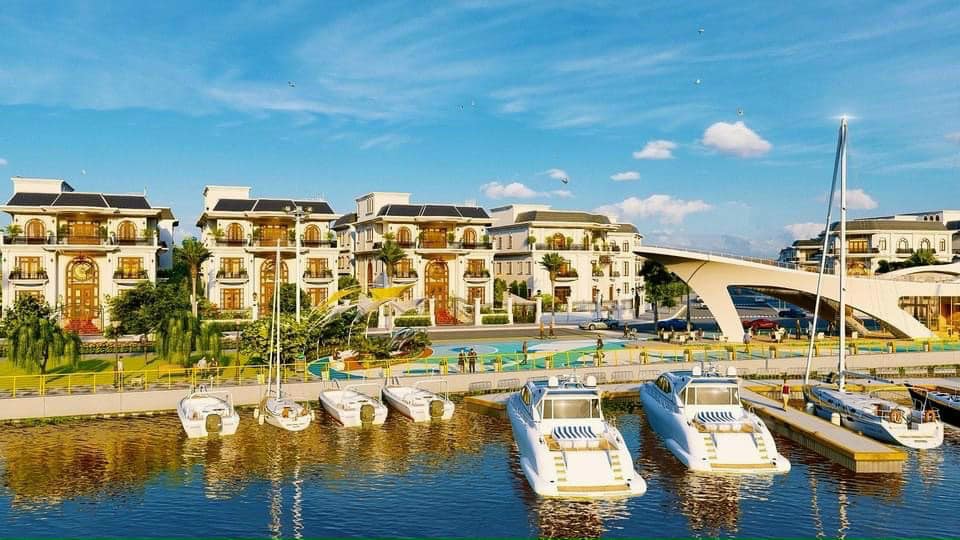
In Vietnam, the Elie Sabb apartment project by Masterise Homes stands as the primary waterfront property featuring prominent brand association. To date, few waterfront developments in Vietnam have pursued this strategic direction.
Hotel-branded riverside and beachfront residences gained momentum in Asia in 1988 with the opening of Aman’s The Amanpuri, Phuket’s pioneering resort. Initial private villa offerings were priced under $1 million; today, comparable units command valuations exceeding $10 million. Since 1998, over 20 hotel-branded residential projects have launched throughout Southeast Asia, with approximately half situated on riverfront or beachfront locations, including properties in Phuket and Koh Samui, Thailand; Bali, Indonesia; Da Nang and Phu Quoc Island, Vietnam; and Palawan Island, the Philippines.
The Power of Brand
Riverside and beachfront hotel-branded properties offer residents access to premium services, facilities, amenities, and security. They are increasingly popular with investors seeking to own a luxury property without committing to full-time residence. These investors are drawn to the sophisticated design and exceptional service standards associated with prestigious hotel brands.
Investors appreciate the brand’s professional asset management and revenue-sharing opportunities. Beyond rental income potential, these properties offer significant capital appreciation prospects. A prime location combined with reputable brand management enhances property appeal, increases resale value, and facilitates faster sales. As branded riverside and beachfront residences flourish in the world’s most coveted destinations, investors increasingly view such properties as both vacation homes and valuable long-term investments.
Banyan Tree has long established its reputation through award-winning wellness-focused beach and river resorts, offering select properties for sale at its premier locations. International luxury hotel brands have responded to growing global demand by introducing hotel-managed waterfront and beachfront residences. Notable examples include Four Seasons, The Ritz Carlton, Mandarin Oriental, and even luxury houses such as Bulgari, which have entered this expanding market segment.
While investment outcomes can never be guaranteed, branded waterfront and beachfront properties managed by established hotel brands represent a compelling investment opportunity.
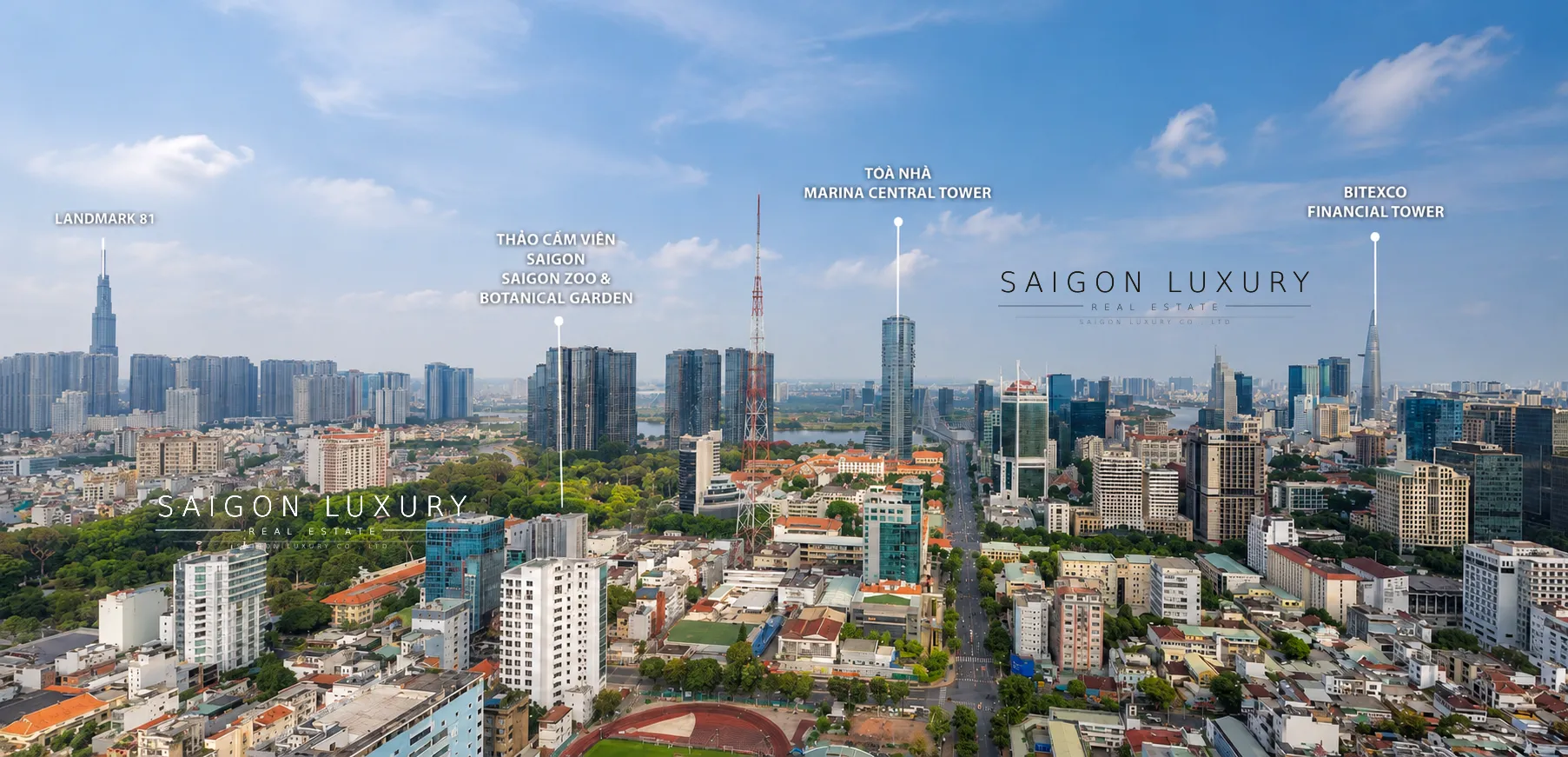
For Ho Chi Minh City, waterfront proximity has become a defining feature that distinguishes exceptional projects. Particularly for sections of the Saigon River with historical significance—such as the former Ba Son Port—this proximity substantially elevates project value.
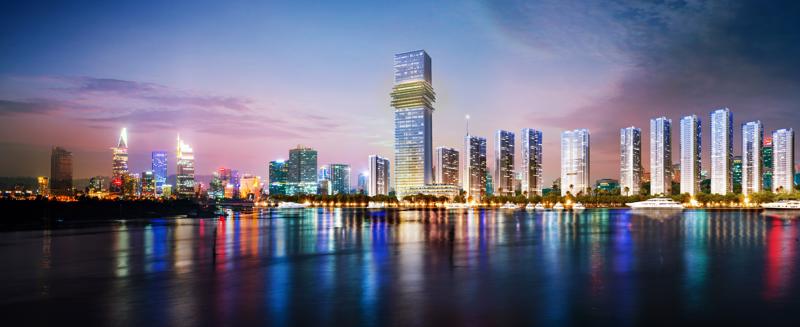
Grand Marina Saigon represents the world’s largest Marriott-branded residential development and exemplifies a prime riverfront location coveted by discerning investors. Situated in the heart of District 1 along the serene Saigon River, the project delivers a tranquil atmosphere amidst the vibrant urban landscape.
For those seeking to transcend riverside living, the architecturally distinctive Saigon riverside villas draw inspiration from haute couture masters, infusing sophisticated design sensibilities into residential spaces. This fusion of fashion-inspired aesthetics with exceptional architecture appeals to the most discerning clientele at The Rivus Elie Sabb.
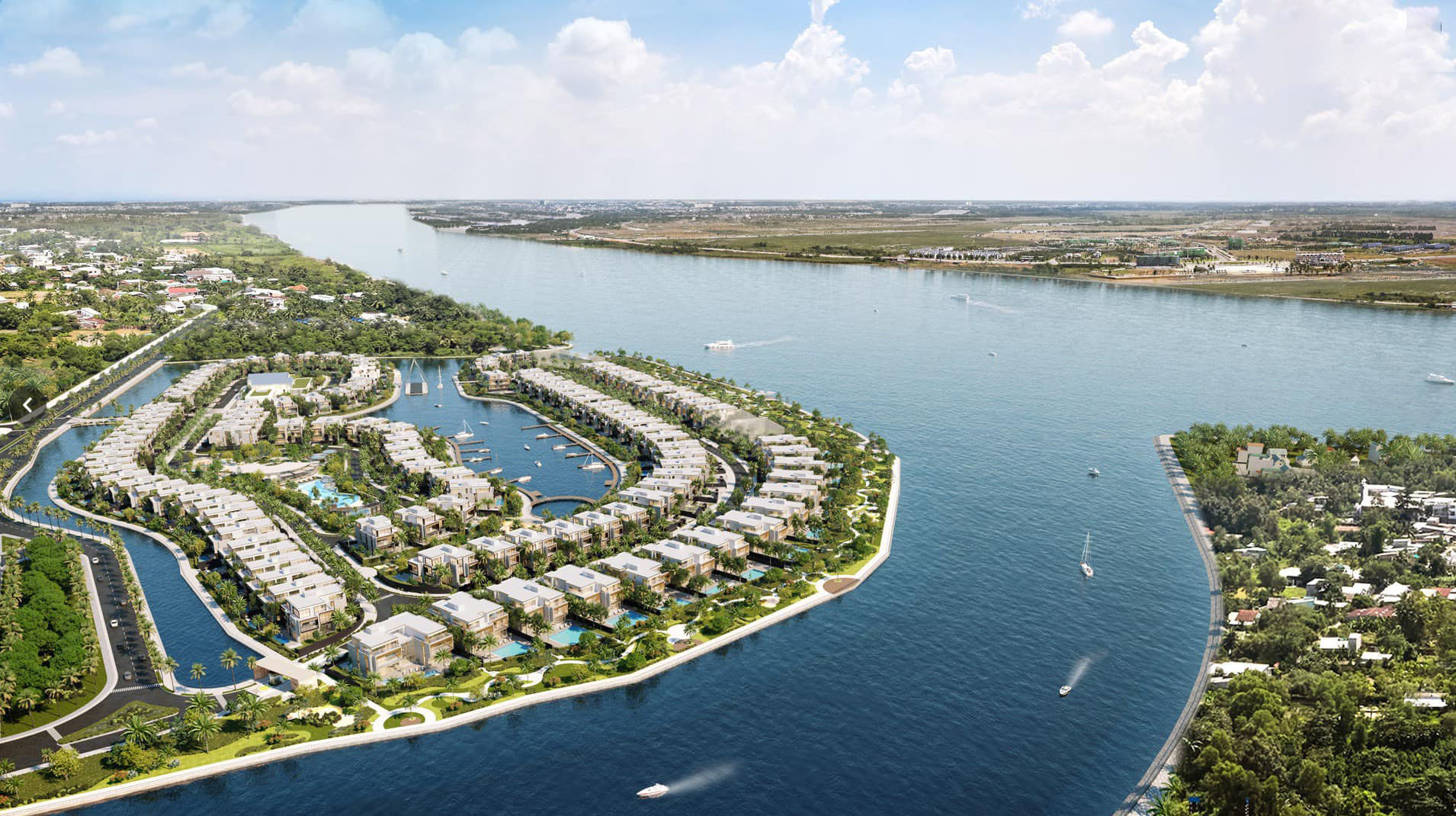
As Vietnam’s first designer-branded residential project outside the hospitality sector, the project generates considerable interest and appeal for investors seeking an opportunity to experience a residence inspired by the renowned designer Elie Saab—a truly innovative and distinctive offering in the market.
While each project approaches the waterfront element uniquely, all share a common goal: enhancing the living value for residents. Vietnam’s dynamic real estate market, increasingly populated by world-class developments, continues to expand choices and deliver greater value to discerning buyers.