English
 Tiếng Việt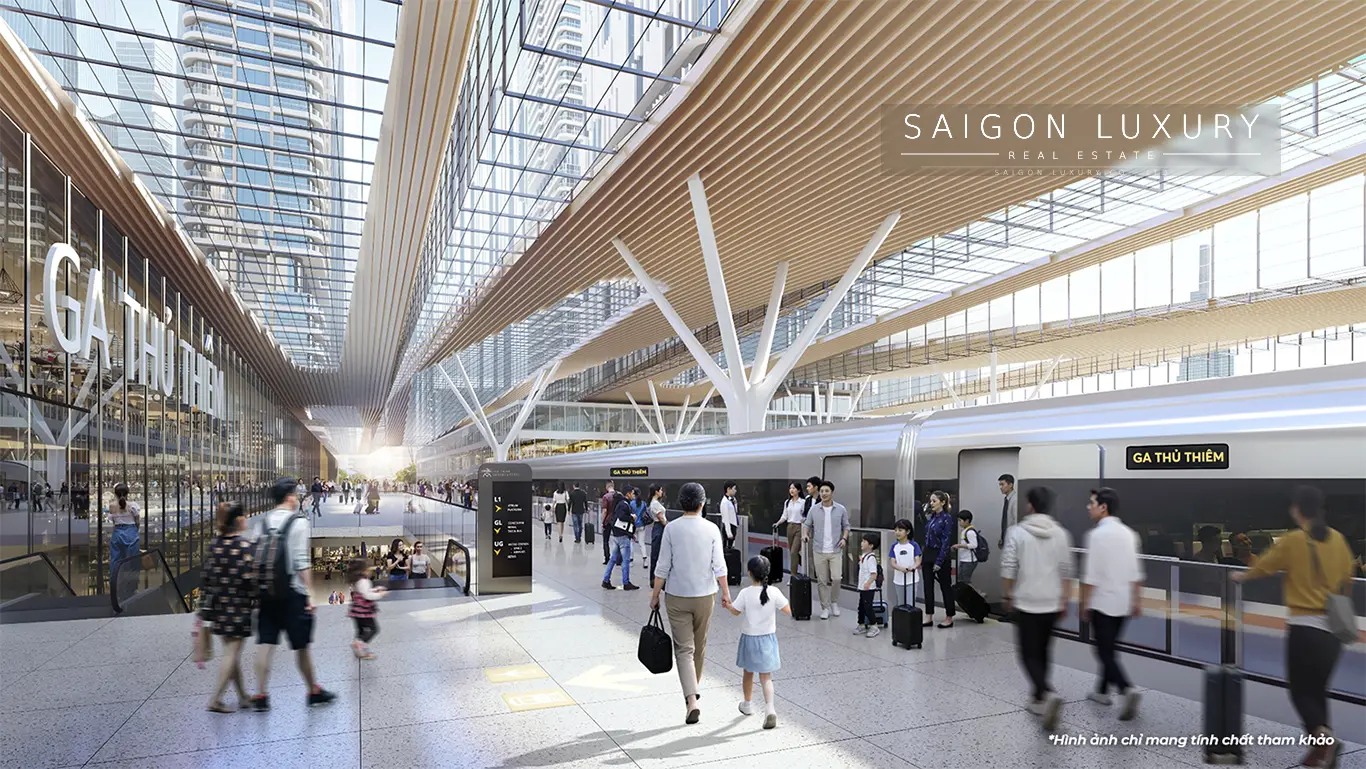
Behind the vision of the Thu Thiem Station Integrated Urban Complex lies not merely the creation of a project complex integrated with a station, but a new vision of how Ho Chi Minh City residents will live, connect, and experience urban life in the future. To understand this vision correctly, one must begin with a question few people ask: what can a station become, beyond a place to pass through? The answer lies in the TOD model – and in its most advanced version, TOD 5.0, proposed for the first time in Vietnam right in the Thu Thiem Station area.
What is TOD and why does it continually evolve
TOD (Transit-Oriented Development) is an urban development model that places public transportation at its core. Rather than allowing the station to remain isolated as an infrastructure project, TOD transforms the area surrounding the station into a vibrant hub of residential, employment, commercial, and service activities.
The fascinating aspect of TOD is that it does not stand still. From Tokyo and Hong Kong to Singapore and Dubai, this model continually evolves according to each stage of urban development. Each generation of TOD addresses a different challenge – and understanding this evolution is the clearest way to see why TOD 5.0 is regarded as a remarkable leap forward.
>> You may also be interested in: Thu Thiem Peninsula – New Central District in Ho Chi Minh City
Five generations of TOD: a journey from “mobility” to “experience”
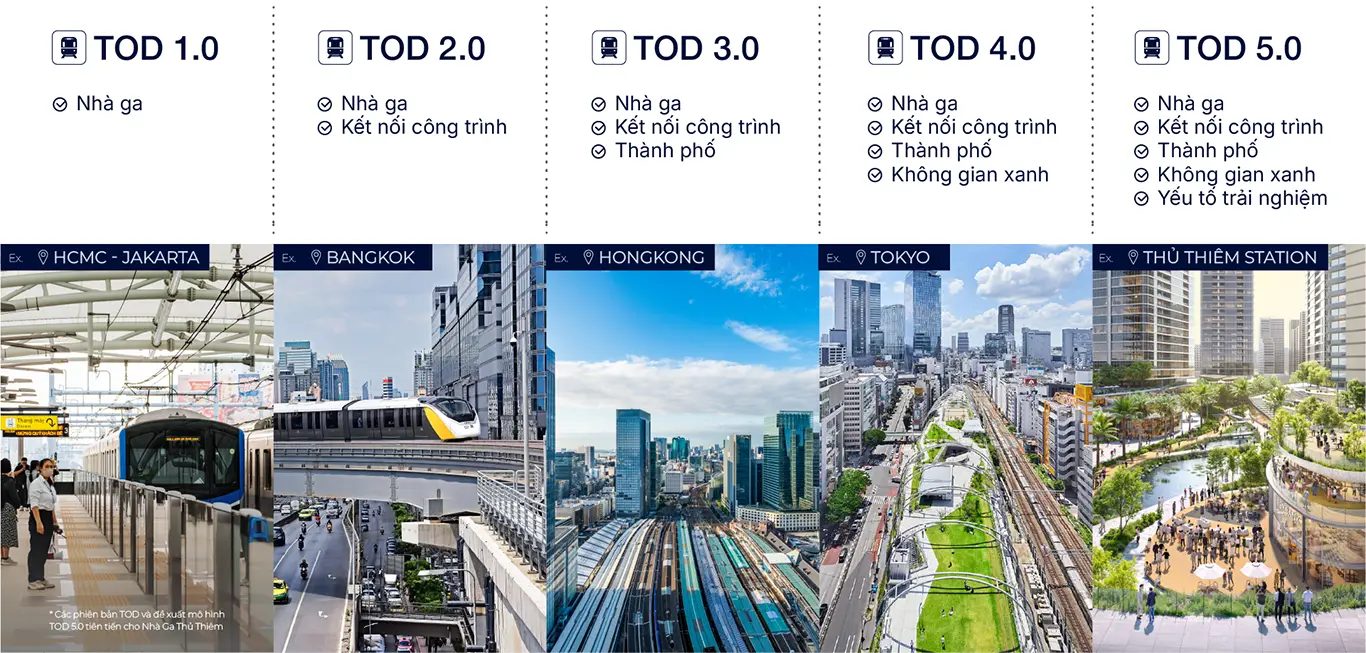
TOD 1.0 – Station as a transfer point
In its inception, the station served simply as a physical transfer point, separate from urban life. Its role was limited to moving people through. The problem solved at this stage was merely connectivity.
TOD 2.0 – Connection with amenities within walking distance
In TOD 2.0, the station begins to integrate with buildings and amenity complexes within walking distance. The BTS Skytrain network in Bangkok is a familiar example: stations connect directly with shopping centers through pedestrian bridge systems. Residents began to be prioritized over private vehicles.
TOD 3.0 – The core of a multi-functional ecosystem
TOD 3.0 elevates the station to the core of a multifunctional ecosystem. Here, residential, office, commercial, and entertainment spaces are seamlessly integrated, prioritizing the pedestrian experience. The multilevel skywalk system in Hong Kong exemplifies this approach, allowing residents to live, work, and enjoy leisure activities almost entirely within the urban environment surrounding the station.
>> You may also be interested in: International Financial Center at Thu Thiem
TOD 4.0 – When Nature and Sustainability Become Priorities
TOD 4.0 expands the model by integrating nature, green spaces, and public areas, creating a more sustainable and experience-rich urban environment. At this level, building density yields to green space. The Azabudai Hills project in Tokyo – featuring “vertical forests” and pedestrian networks that minimize carbon emissions – exemplifies this approach.
TOD 5.0 – Complete Integration and Elevation Through “Wow Factors”
With TOD 5.0, a fully integrated urban ecosystem is created, combining all the values of TOD 1.0 through TOD 4.0. This model is simultaneously elevated through “wow factors” – distinctive features that enhance experience, emotion, and destination appeal.
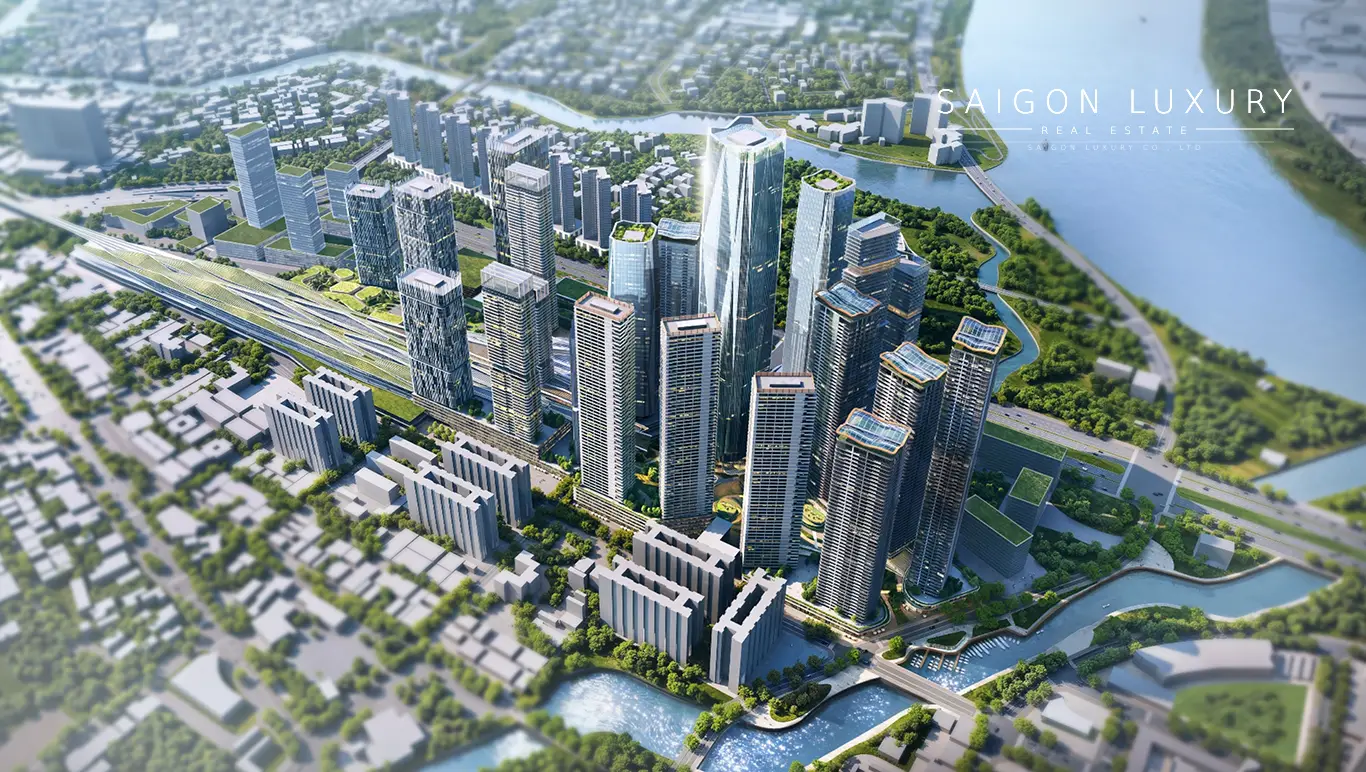
At this level, a station transcends its role as mere transportation infrastructure or shopping center. It is designed as an integrated destination experience, where transportation, culture, commerce, and residential spaces operate as a single unified ecosystem. Unlike traditional models focused on connectivity and density, TOD 5.0 aims to extend visitor dwell time, increase return frequency, and sustain a continuous 24/7 urban rhythm. As its proponents articulate: this is a place where people want to stay, not simply pass through.
Why Thu Thiem Station Targets TOD 5.0 Directly
A reasonable question: why not pursue TOD 3.0 or 4.0 for a more conservative approach, but instead target TOD 5.0 directly?
The answer lies in Thu Thiem Station’s strategic position. As one of Ho Chi Minh City’s major transportation hubs, it converges multiple strategic rail and metro lines. With a “mega-station” handling such significant traffic volume, applying earlier TOD versions would underutilize the site’s potential. Targeting TOD 5.0 – the most advanced version available today – represents a “leapfrogging” strategy, narrowing the gap between Vietnamese and international urban standards.
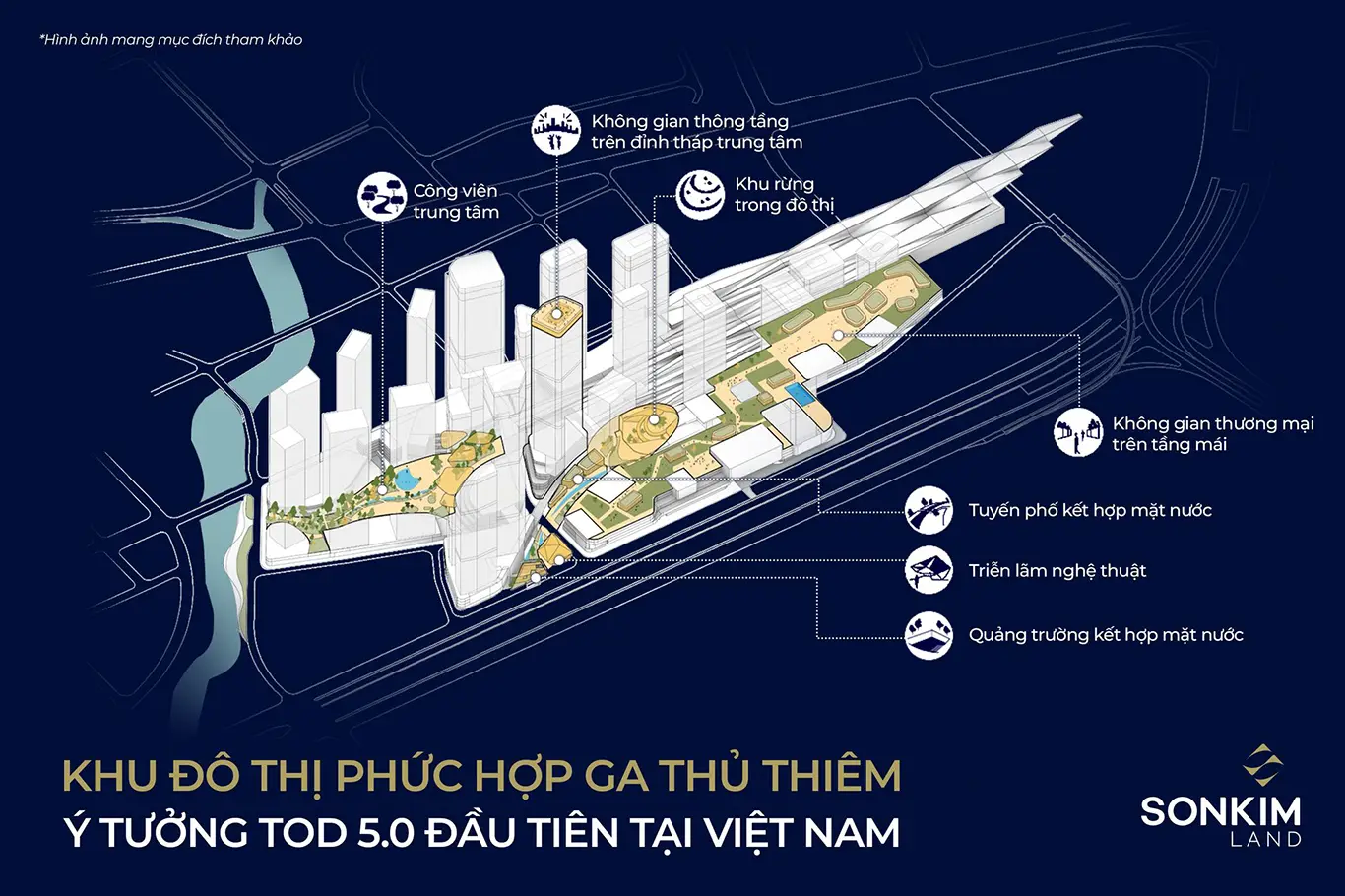
This is precisely why the Thu Thiem Station Mixed-Use Urban Complex is positioned as Vietnam’s first proposed TOD 5.0 model. To bring this vision to life, the concept was developed in collaboration with leading international consulting firms: Nikken Sekkei (Japan) for master planning, Nippon Koei (Japan) for station design, and Arup (UK) for transportation and connectivity solutions.
How TOD 5.0 Transforms Life for Ho Chi Minh City Residents
nFor those living and working in the city, the significance of TOD 5.0 extends beyond the terminology to encompass how daily life unfolds. It is the freedom to leave home, take the metro, complete airport procedures and check in luggage at the station itself before departing, explore an urban forest, shop and work – all within one seamless journey, without requiring personal transportation.
By consolidating multiple layers of urban needs into a single destination, the Thu Thiem Station Mixed-Use Urban Complex is poised to become a magnetic hub for the city: powerfully attracting residents, capital, commerce and economic activity. The station, in essence, becomes the “heart” orchestrating the rhythm of life for an entire urban district.
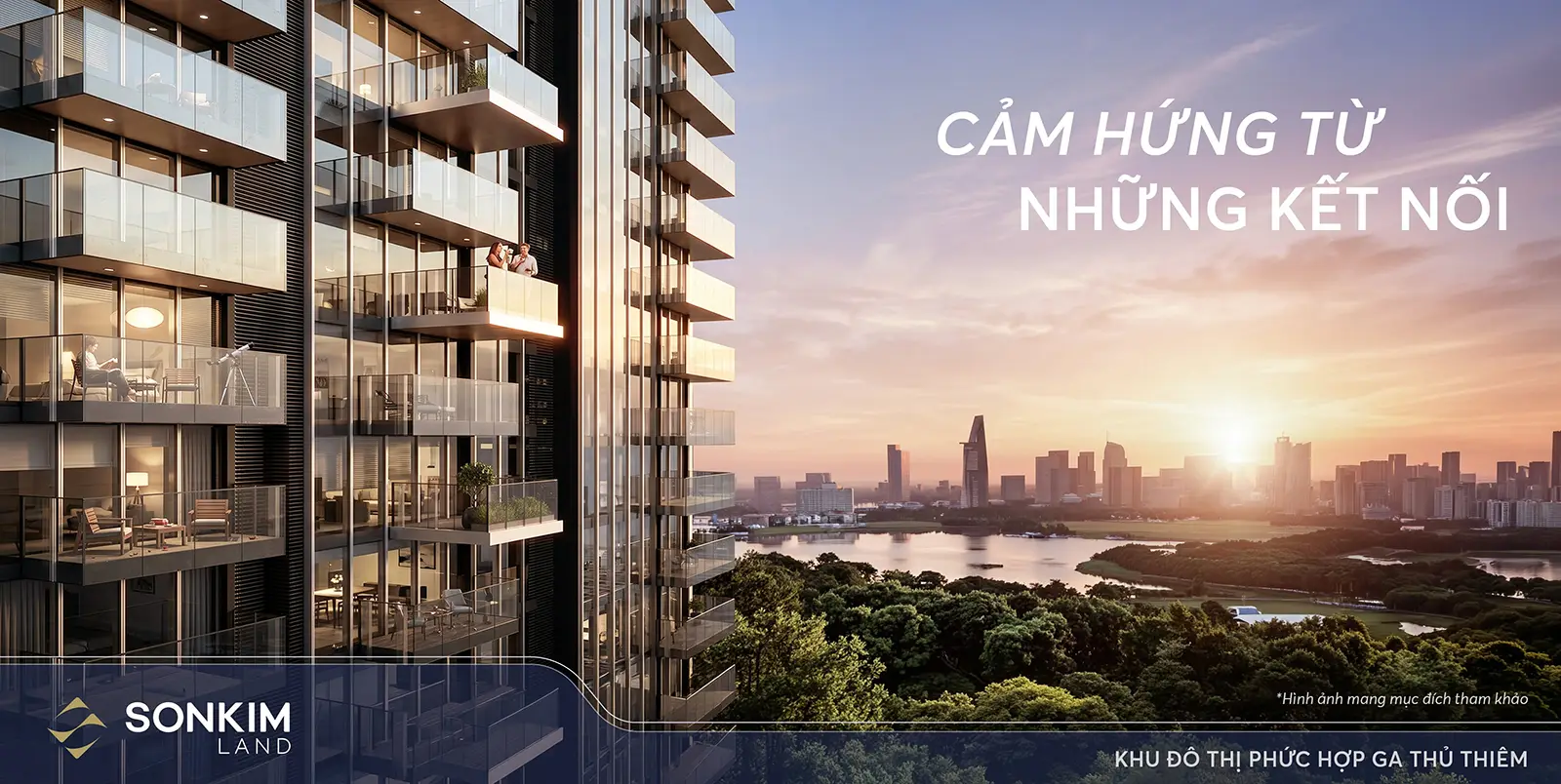
This proposal is part of the comprehensive master plan that SonKim Land has developed for the Thu Thiem Station area. For details on the master plan, residential components, connecting infrastructure, developer qualifications and investment opportunities, please refer to our comprehensive overview: Thu Thiem Station Mixed-Use Urban Complex – SonKim Land: TOD 5.0 Vision for Ho Chi Minh City’s New Center.
Contact
Saigon Luxury Hotline: 0902 601 689
Contact us today to receive comprehensive project consultation, the latest official updates and to secure priority reservation when the project launches for sale.