English
 Tiếng Việt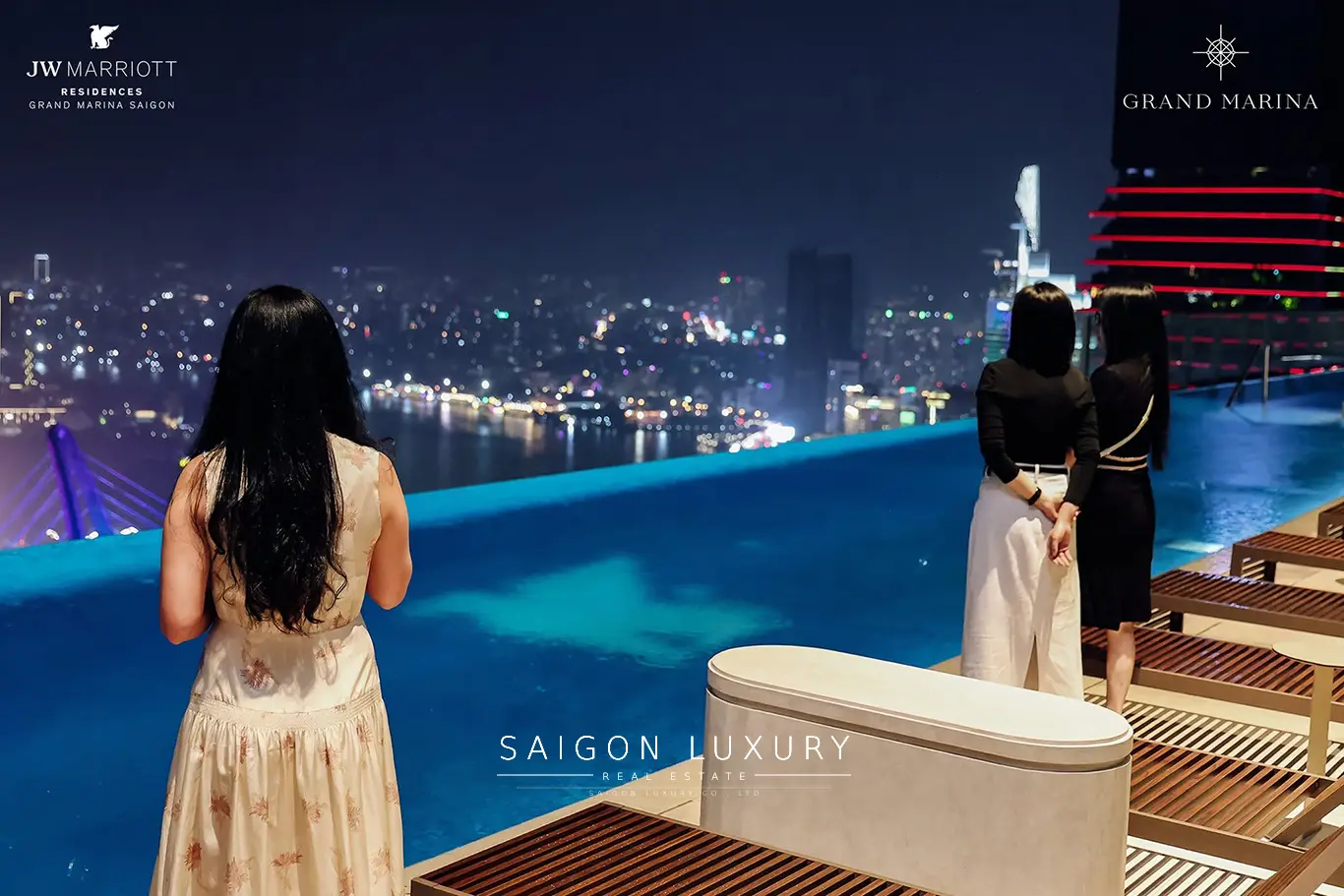
The definition of luxury real estate is changing faster than ever. If a few years ago, luxury was measured by area, expensive materials or a majestic swimming pool, then in 2026, the measurement has shifted to quality of life, experience and the ability to keep prices over time.
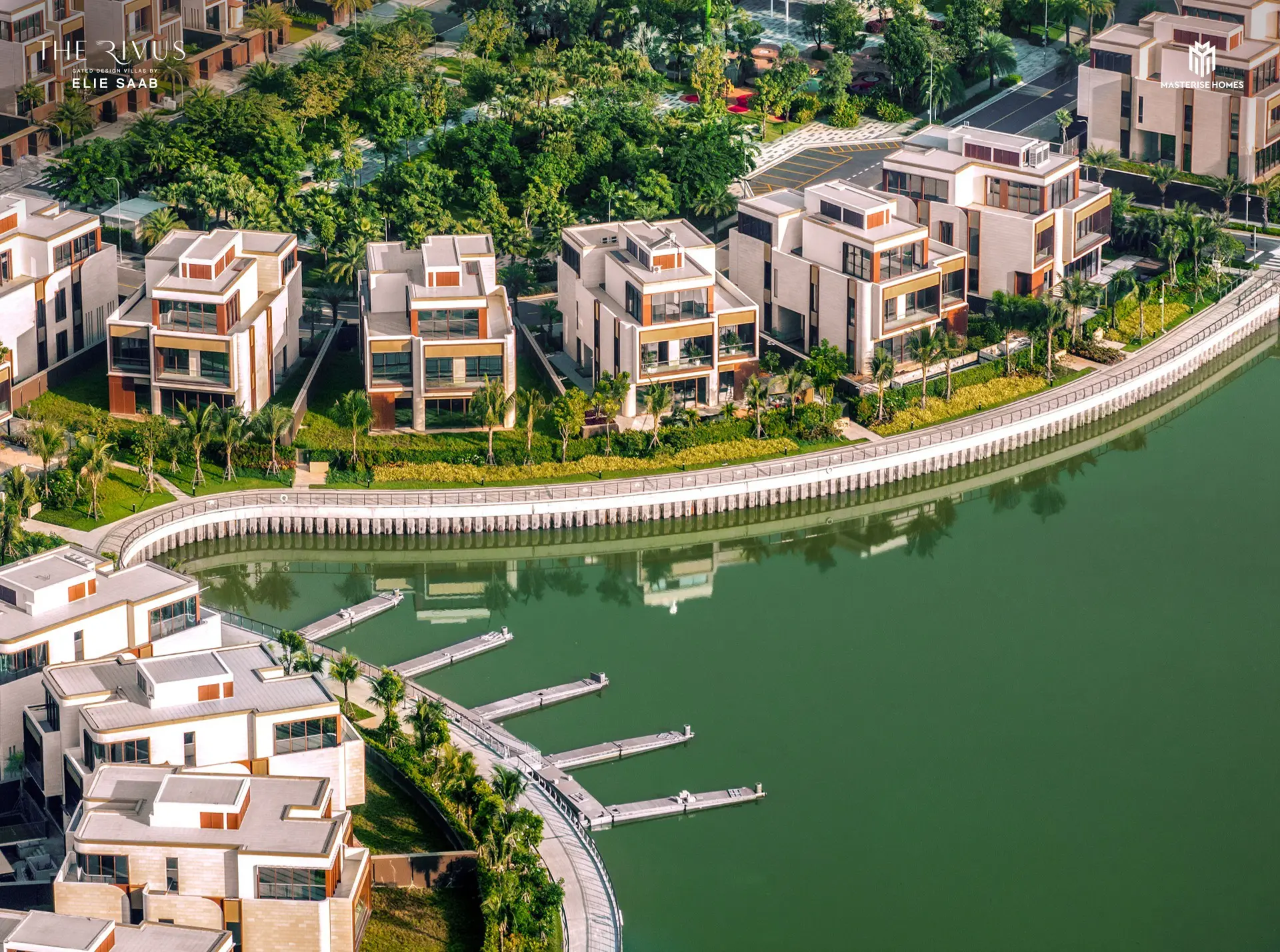
Sotheby’s International Realty’s Luxury Outlook 2026 report notes a core shift: luxury buyers no longer view homes as mere symbols of ownership, but as spaces that proactively support the way they want to live. In Vietnam, a similar trend was described by Savills Hotels experts as part of the Branded Living Summit 2025: buyers are not just looking for a home, but for a space that reflects their personal style and value system.
Below are 7 trends that are shaping the luxury real estate segment in 2026 — an updated perspective for the Ho Chi Minh City market.
1. Multi-layered privacy and security
Privacy is still the top privilege of the upper class, but the way it is expressed is more subtle. Instead of closed doors and high walls, high-end customers prioritize solutions that both ensure privacy and maintain aesthetics: houses in compound areas with 24/7 security and cameras, penthouses or duplex apartments with private elevator halls and separate entrances.
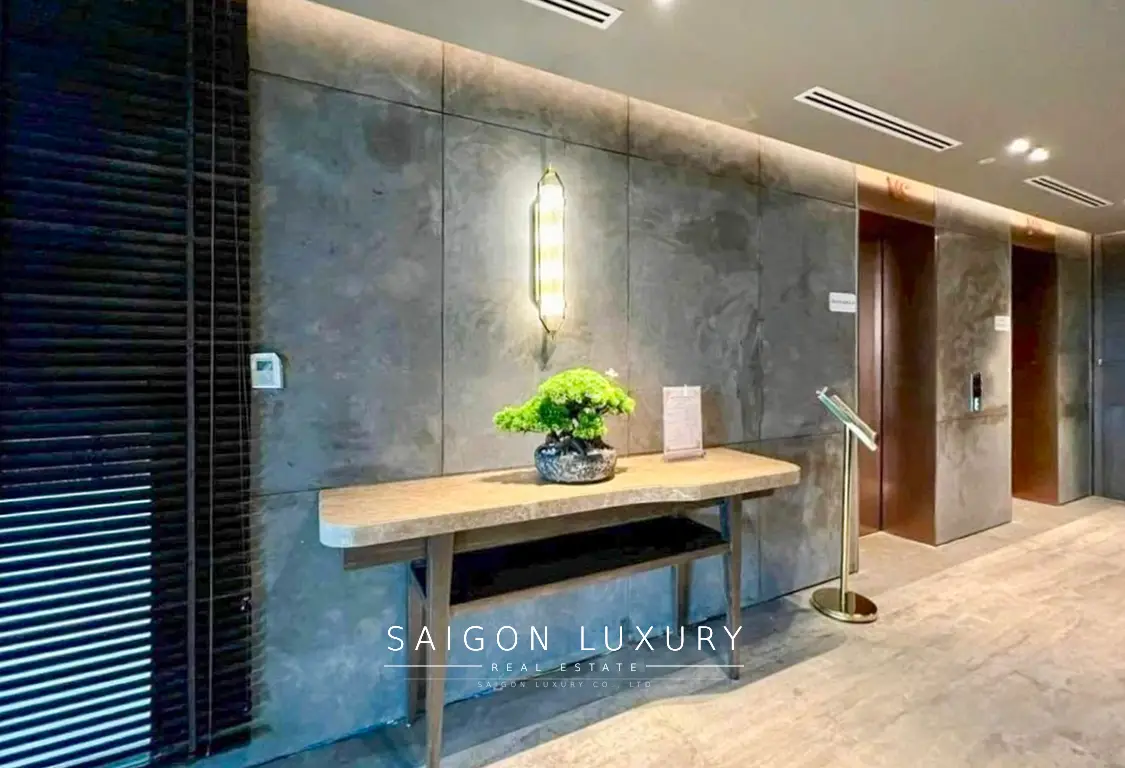
According to Sotheby’s report, security and peace of mind continue to be at the top of buyers’ priorities, with access control gates and smart security systems being the most sought after. A notable characteristic of the top segment is the discreetness of transactions: a significant proportion of the world’s luxury transactions take place outside the public market, through private networks — reflecting the level of privacy this customer group values.
2. Wellness integrated right into the living space
This is the strongest change factor compared to the previous period. After the pandemic, health and balance become mandatory standards instead of added amenities. Sotheby’s and multiple 2026 market reports indicate that luxury buyers are looking for homes that proactively support health and longevity: home spas, gyms and recovery areas, advanced air and water filtration systems, biophilic design and abundant natural light.
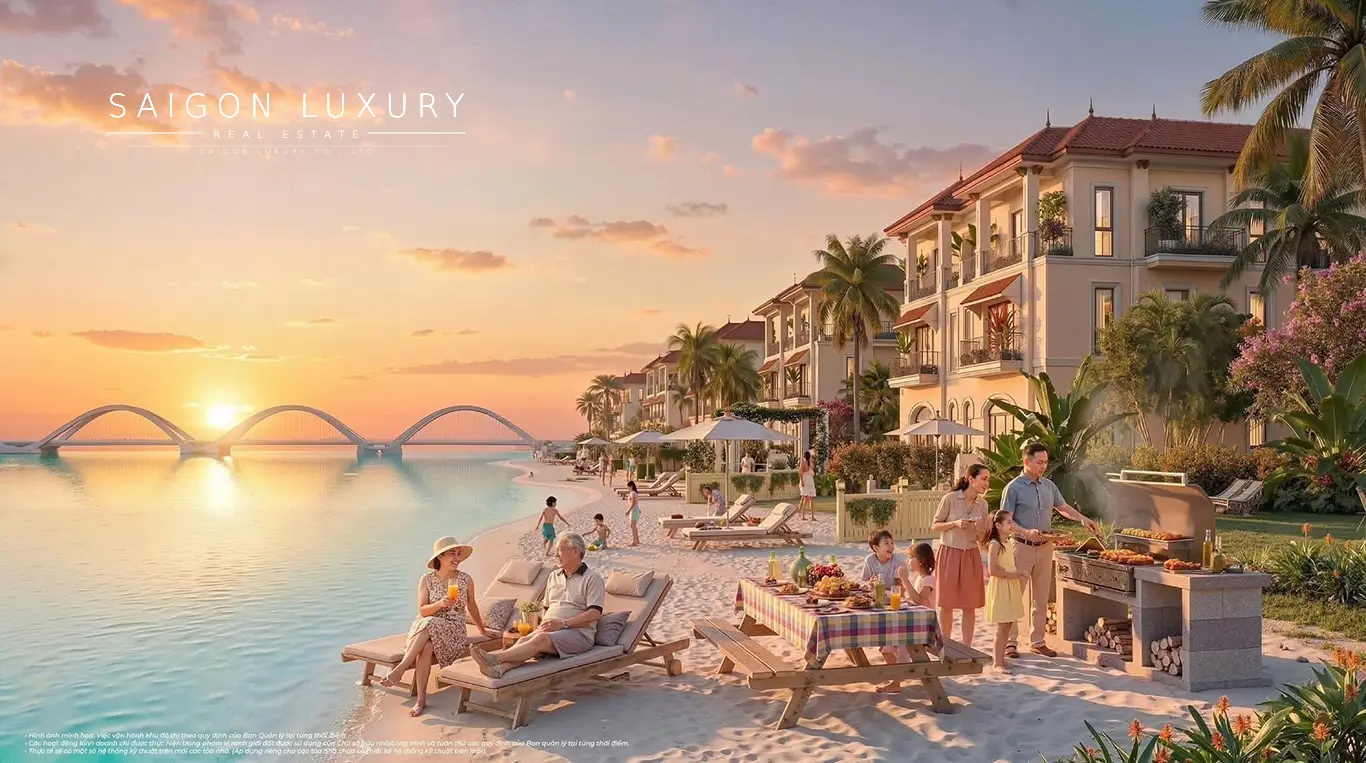
In Ho Chi Minh City, this trend is clearly shown through the increasingly well-invested health care facilities in high-end riverside projects and in the heart of the city. Interested customers can learn about how new megacities are shaping wellness living standards through this article11 amenities Vinhomes Green Paradise Can Gio.
3. Smart home and technology security
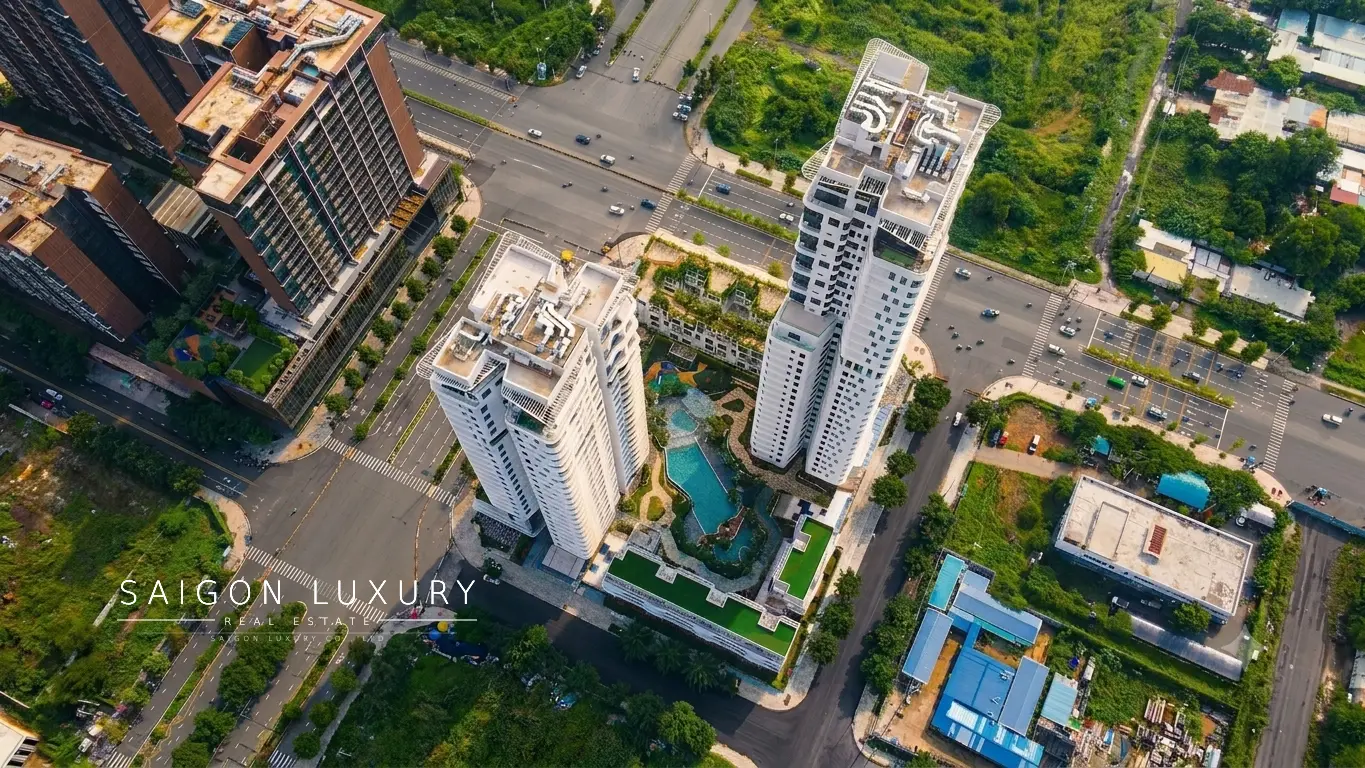
Smart homes have gone from a “plus” to a “necessary condition”. In the high-end segment in 2026, the ability to control lighting, air conditioning, ventilation, curtains and security right on a touch panel (smart wall pad) or via phone is considered the default standard. For example atZeit River Thu Thiem— a luxury apartment project developed by VGSE (a member of GS E&C, Korea) — the smart wall pad system allows residents to contact the lobby, security room and management board, check the outdoor temperature or car location in the basement, and even schedule an elevator call in advance to be proactive when they need to go out.
Smart technology in 2026 is also associated with health and energy saving. The heat recovery ventilation (HRV) system supplies fresh, filtered air to each space, deodorizes the kitchen and restrooms, and conserves energy for the air conditioning system. This is proof that smart home, wellness and sustainability elements are converging in the same solution.
Regarding security, luxury apartments are equipped with high-resolution cameras with integrated front-door motion sensors, smart locks and biometric recognition. When the homeowner is away from home, the sensor automatically activates and sends an instant alert if unusual movement is detected in the apartment.
The difference of 2026 is seamlessness: technology must operate smoothly and discreetly, integrating naturally into the living space instead of being ostentatious. According to Jones Lang LaSalle (JLL), the smart apartment wave has spread from Europe – America to Asia and then to Ho Chi Minh City, with Vietnam among the world’s leading group in the growth rate of smart device use – a favorable foundation for smart home to become the default standard for luxury homes.
4. Flexible and multi-generational space
The “multi-generation living” model is reshaping the layout of luxury homes. Sotheby’s Luxury Outlook 2026 report said that about one-fifth of home transactions in the US come from the need to live with multiple generations in the family – a trend that is also consistent with family cultures in Asia and Vietnam.
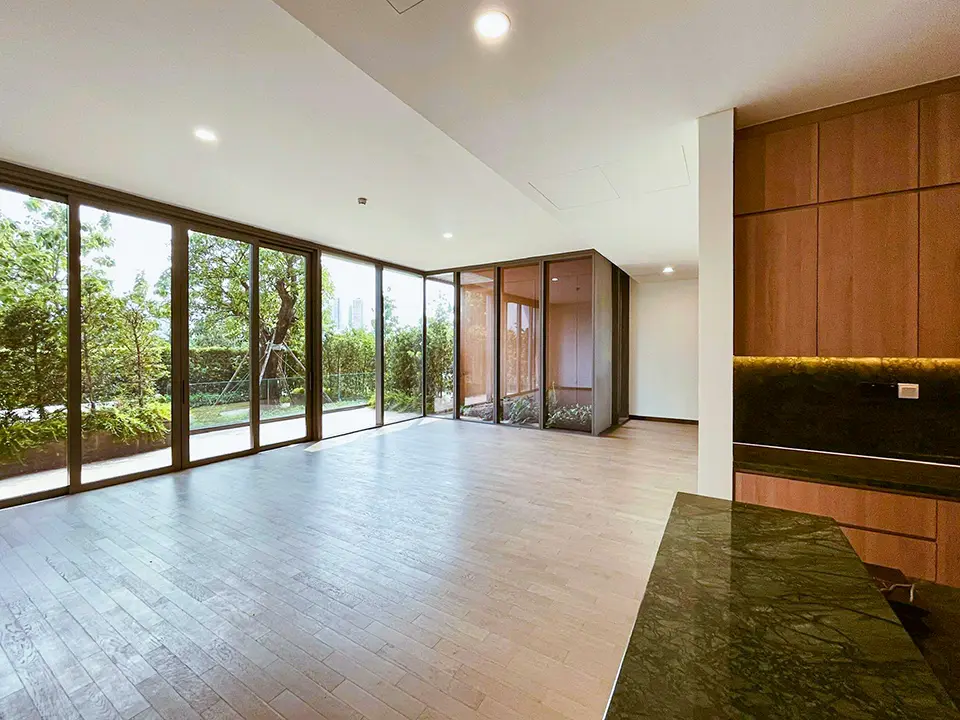
The result is a demand for homes with master bedrooms with en-suite bathrooms, self-contained suites for elderly parents or guests, and spaces that can be flexibly converted: home offices, gyms, multi-purpose rooms. Coldwell Banker Global Luxury calls this the requirement of “multi-role living” — modern homes must simultaneously meet the needs of work, health care and family reunions.
5. Sophisticated design and sustainable materials
Finished quality and aesthetic taste are still indispensable marks of luxury homes: imported materials, high-end kitchen equipment, carefully processed details such as recessed doors, natural stone or high-end artificial stone. In the top segment in Ho Chi Minh City, this finishing standard has been raised to the level of “tailor-made”.
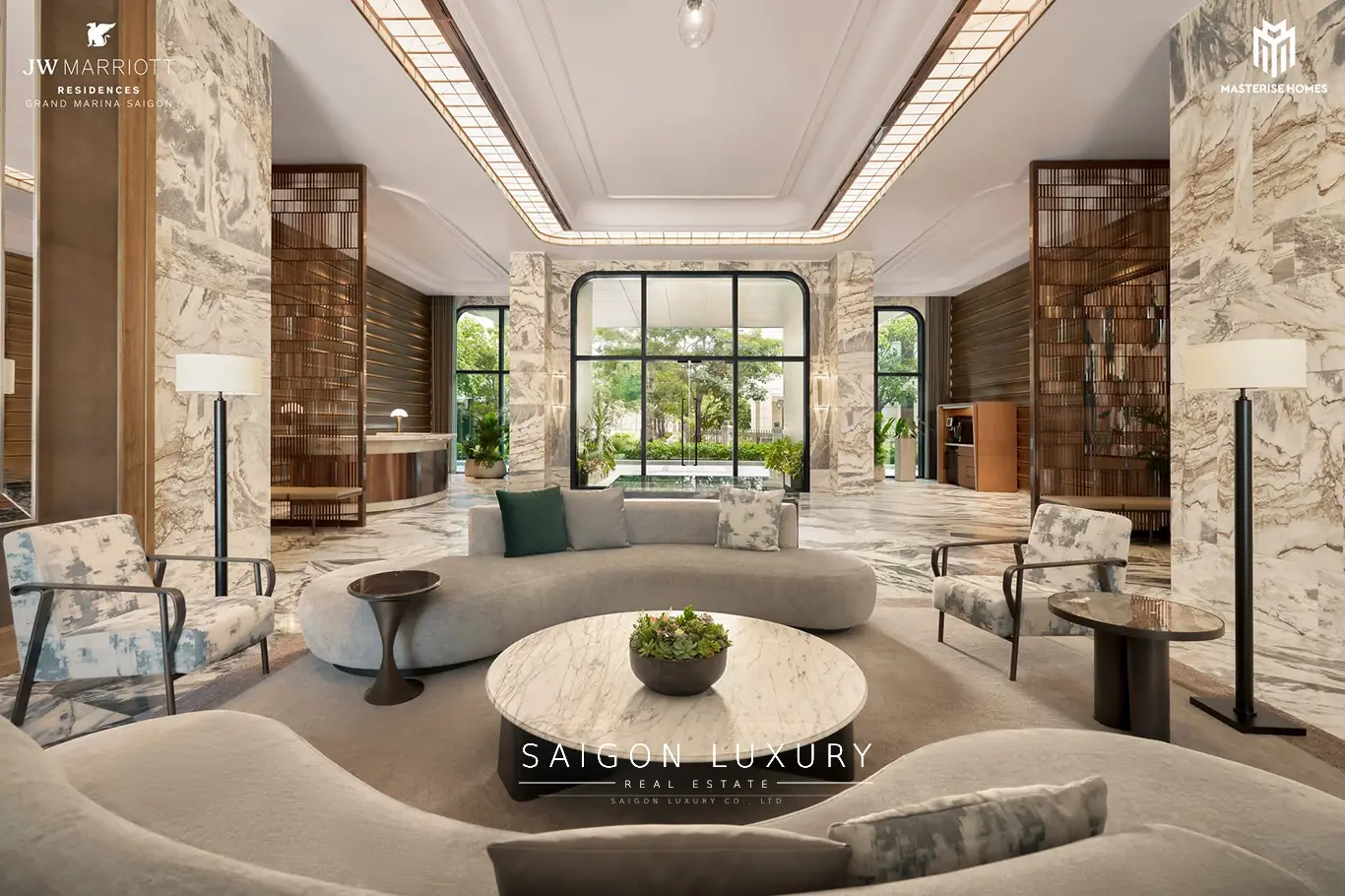
InGrand Marina Saigon, the apartment was handed over by Masterise Homes completed according to Marriott and JW Marriott standards, with furniture and equipment imported from Europe: kitchen cabinets completed in Italy, Bosch home appliances, Hafele smart door locks, engineered wood floors imported from the US, Gessi faucets and bathroom accessories, Kaldewei bathtubs, and wall-mounted furniture hand-finished in Italy. This is proof that “class” is determined by every tangible detail, not advertising.
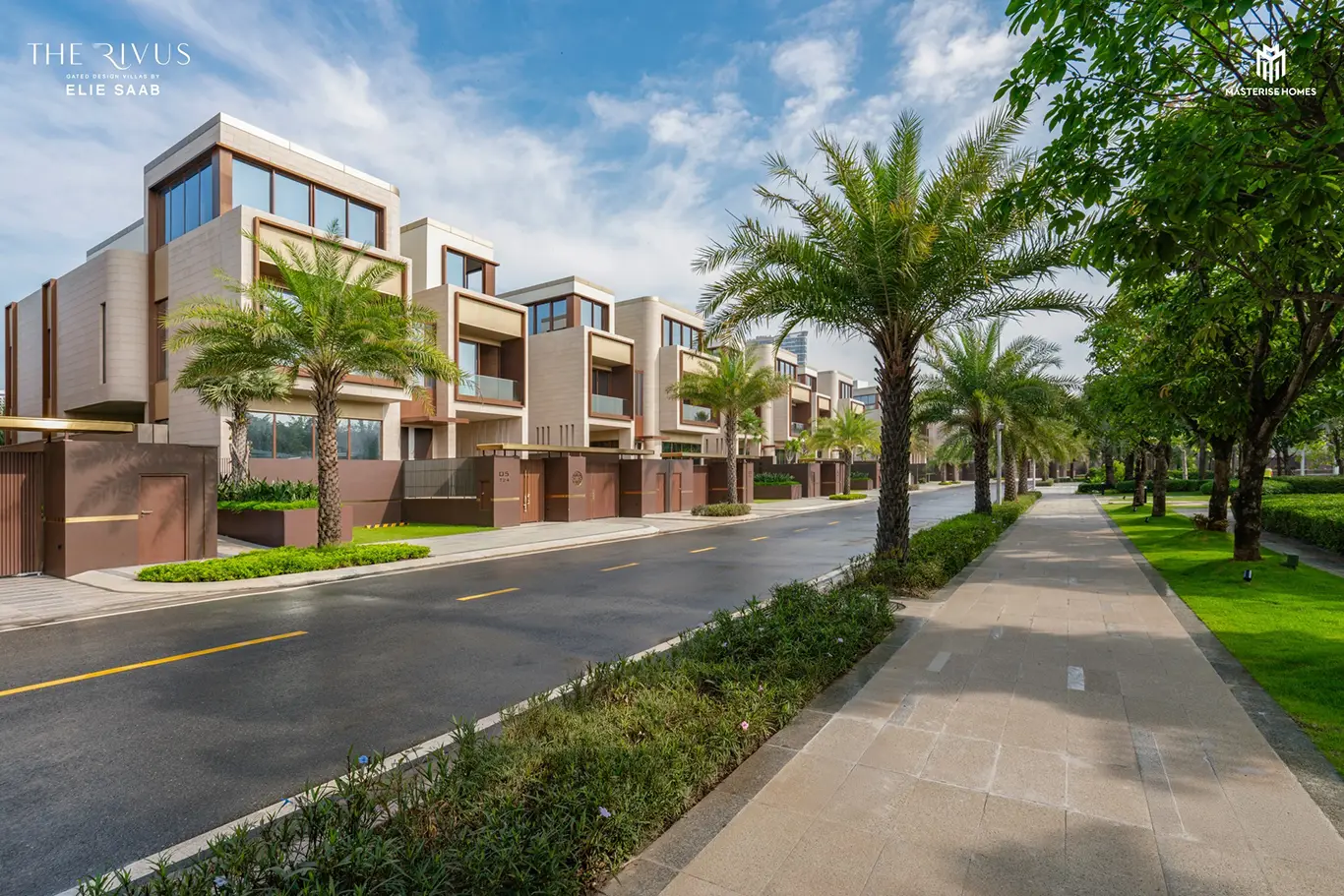
The Rivus— a residence under the Haute Couture brand ELIE SAAB, developed by Masterise Homes — pushes perfection standards even further. Each mansion complies with the strict standards of Haute Couture art in three aspects: refined and rare materials (marble, metal, high-end leather are strictly quality controlled according to ELIE SAAB standards); Crafted by an internationally trained construction team; and the spirit of uniqueness, “tailor-made” for each owner. This approach reflects the trend of 2026: luxury homes are seen as a crafted work, not simply a construction product.
Along with sophistication, sustainability has become the new standard. High-end buyers are increasingly interested in green building certifications (such as LEED, WELL), energy-efficient air conditioning systems, water consumption reduction solutions and environmentally friendly materials — both as a responsible lifestyle choice and a factor that increases long-term property value.
6. Branded real estate and service operation standards
If I had to choose one trend to define Vietnam’s luxury market in 2026, it would be the explosion of branded residences. According to the Savills Branded Residences 2025-2026 report, Vietnam currently ranks 4th globally in the number of branded real estate projects, with more than 50 projects associated with 34 international brands. The C9 Hotelworks report shows that Vietnam accounts for about 41% of the growing supply of luxury real estate in Asia.
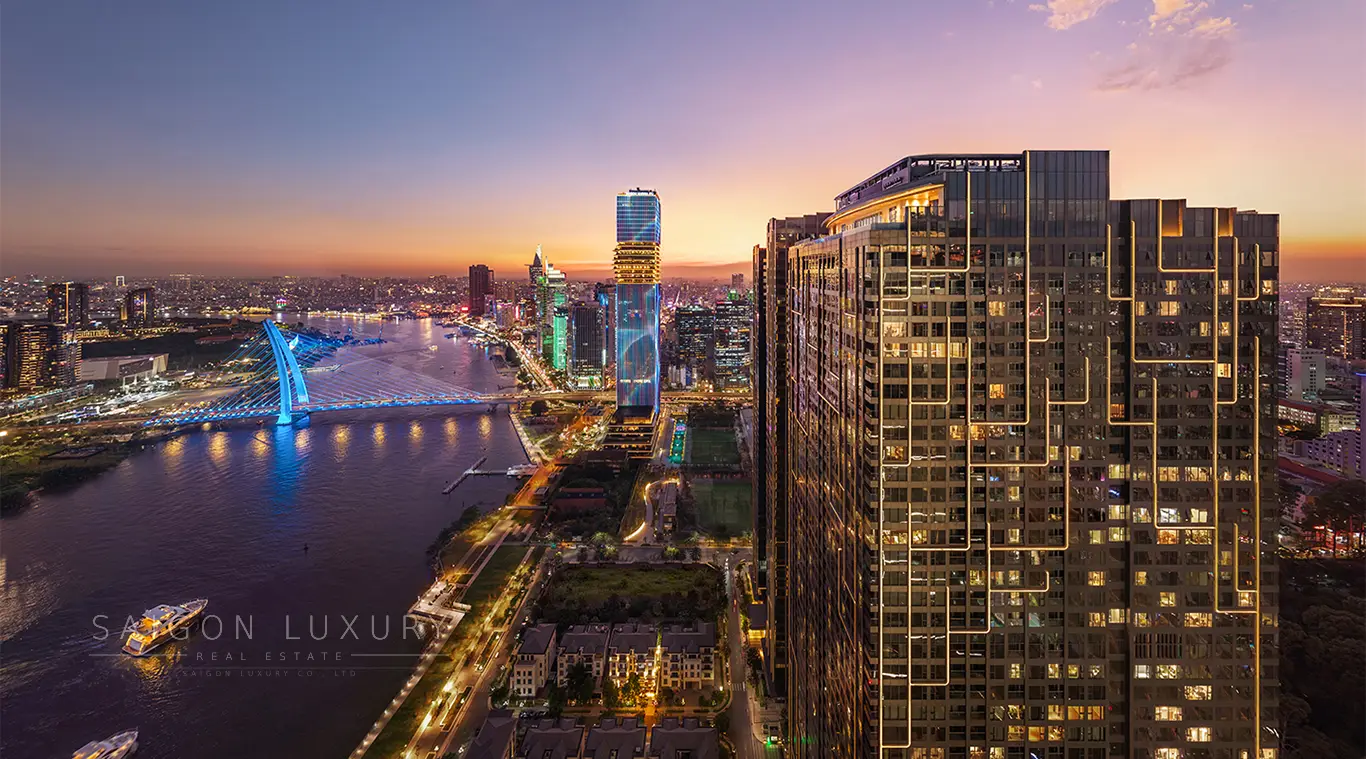
Savills Hotels experts say that Ho Chi Minh City is among the fastest growing luxury real estate markets in Asia. Some typical projects in the city such as Grand Marina Saigon (Marriott, JW Marriott), The Rivus or The Ritz-Carlton Residences of the One Central Saigon complex are setting new standards.
What makes this segment different is not in design, but in operating standards: 24/7 concierge service, multi-layer security, personalized service according to international hotel standards and the ability to maintain prices over time. Savills sees brand premium increase by an average of 33% globally in 2025 — demonstrating buyers’ willingness to pay more for brand endorsements and operational standards. Learn more about this segment through this articleGrand Marina Saigon: What the super rich are really looking for in a luxury apartment.
7. Personalization and lifestyle
At the pinnacle of the segment, luxury is measured by the degree of “tailoring” according to individual needs. A homeowner who loves music can design their own recording studio; Movie lovers have a home theater; Wine collectors have dedicated wine cellars. These spaces express the personality and lifestyle of the owner.
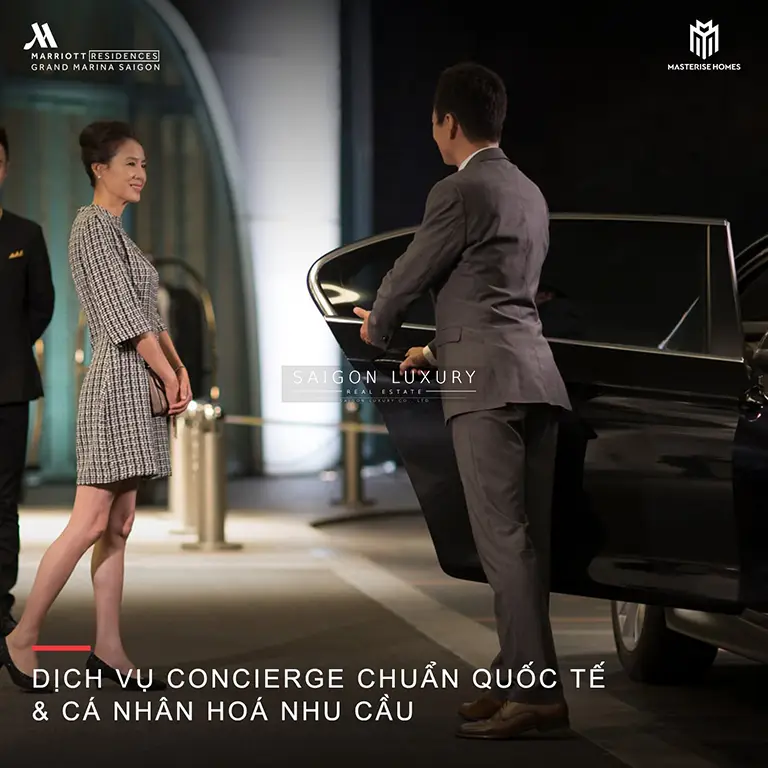
Personalization in 2026 does not stop at space but extends to services. InGrand Marina Saigon, residents are served according to Marriott operating standards: 24/7 personal assistant (concierge), room service, periodic housekeeping, laundry, pet care, spa appointments or in-home doctor – each service is adjusted to the habits of each owner. Another neat convenience is the service of receiving goods at the reception desk — from parcels to food ordered via delivery apps — which are then brought to the apartment door by staff. This utility is already present in professionally operated projects such as Grand Marina Saigon orEmpire City… It is this “custom-tailored” service layer that creates the boundary between a regular luxury apartment and a truly dedicated living space.
The 2026 market report describes the shift from “owning to affirm status” to “homes that reflect identity and serve a way of life”. In Vietnam, many families consider owning luxury real estate in the central core area or along the river as a way to identify and create a legacy for future generations. This is also the reason why a community of residents in sync with values becomes an important part of the luxury living experience.
Your choice in 2026
The seven trends above show a clear truth: luxury real estate in 2026 will no longer be judged by appearance, but by quality of life, privacy, technology, sustainability and operational capacity. During the period when the market repositions itself to “true value”, real estate that converges these factors will retain its appeal and best price retention ability.
Saigon Luxury accompanies you on your journey to find living spaces that fully meet the above standards, fromPenthouse apartmentarriveluxury villaat prime locations of Ho Chi Minh City.
Hotline: 0902 601 689
Contact us now for detailed advice and access to suitable luxury real estate.