English
 Tiếng Việt
Globally, waterfront and beachfront real estate has always been among the most coveted assets by the wealthy. This trend is becoming increasingly evident in Ho Chi Minh City, where riverfront projects continue to attract significant attention. As demand grows for living closer to nature and experiencing resort-like lifestyles in daily life, beachfront real estate in Can Gio is emerging as a promising new direction for the market.
Waterfront and beachfront real estate are always prioritized by the wealthy
In many countries, riverfront and beachfront homes are considered symbols of upscale living. Riverfront mansions in Europe and beachfront villas in Miami or California are typically among the highest-value real estate assets on the market.
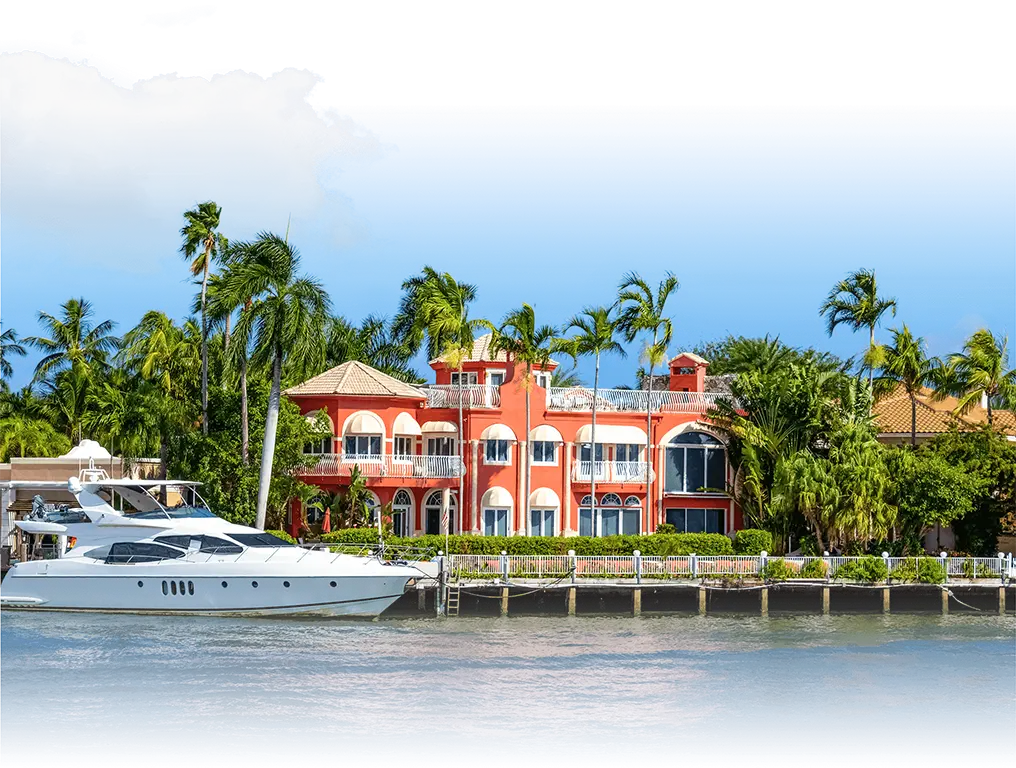
The appeal of such properties stems from multiple factors. Foremost is the expansive views and rare scenery that waterfront locations offer. Additionally, proximity to rivers or beaches is often associated with resort-style living, privacy, and a more serene environment compared to densely populated urban areas.
Another key consideration is scarcity. Direct waterfront land is typically very limited, while demand from affluent buyers remains consistently strong over time. Therefore, waterfront real estate tends to maintain enduring market appeal.
Ho Chi Minh City residents have also embraced the riverfront view trend early on
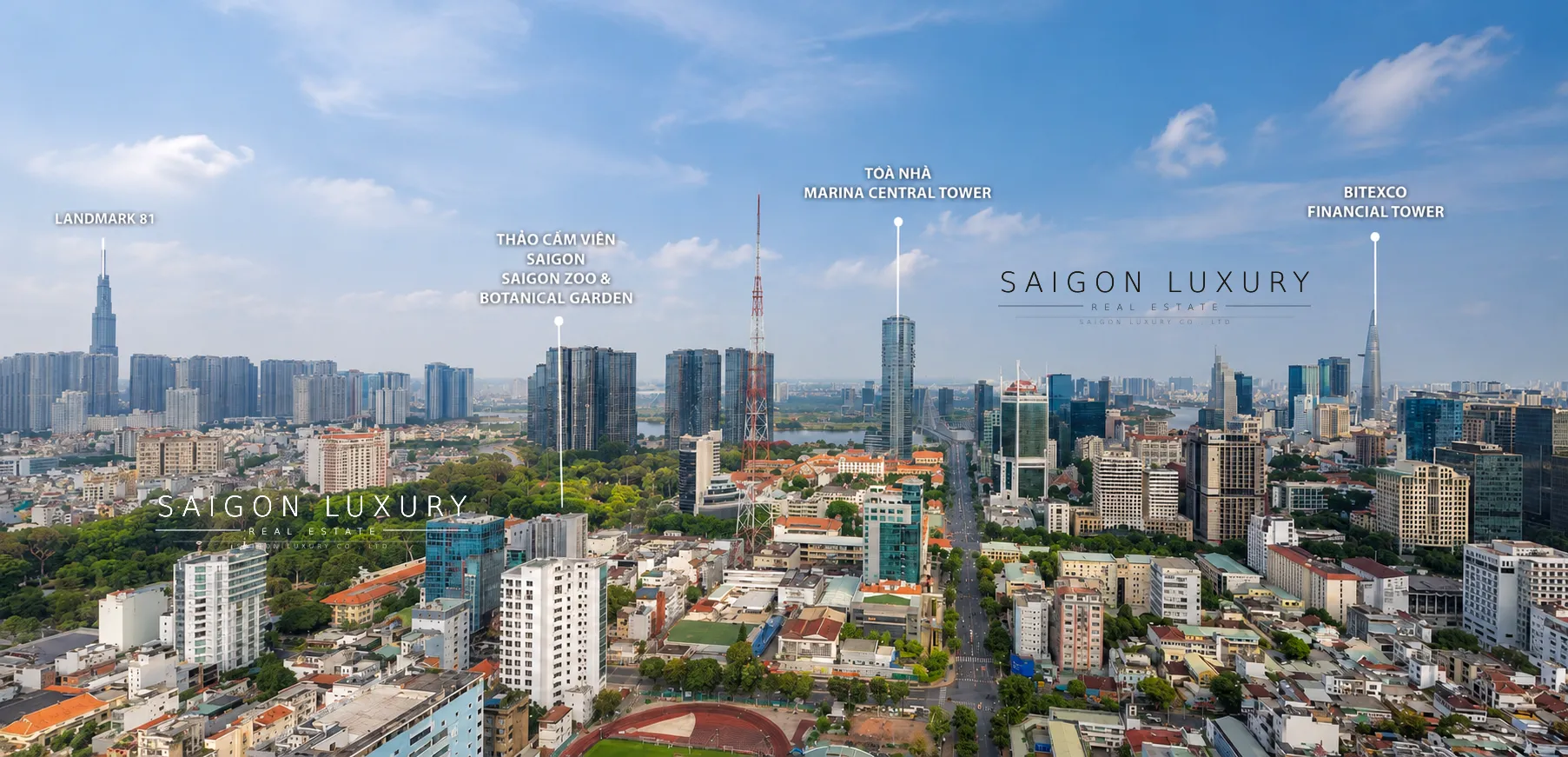
The Ho Chi Minh City market in recent years has demonstrated a similar trend. Residential projects and urban developments with riverfront views are highly valued due to their scenic advantages, expansive vistas, and sense of separation from crowded urban settings.
In the luxury segment, riverfront views are not merely an aesthetic element but are considered a “value-added” feature that enhances the prestige of the property.
However, while riverfront views have become increasingly common in Ho Chi Minh City, ocean views remain a premium experience that is difficult to access within the city limits.
Previously, Ho Chi Minh City residents typically had to travel considerable distances to own beachfront properties
For many years, affluent Ho Chi Minh City residents seeking to own beachfront properties typically looked to well-established resort destinations such as Nha Trang, Da Nang, or Phu Quoc.
These areas have experienced strong development of resort villas and second-home offerings, meeting the demand for both investment and vacation properties.
However, geographic distance means these beachfront homes are typically used seasonally or during extended holidays only, preventing beachfront real estate from truly becoming part of the daily lifestyle for Ho Chi Minh City residents.
Emerging tourism trends create opportunities for beach cities near the metropolis
According to tourism industry research, emerging trends are shifting toward personalized experiences, eco-tourism, and sustainable tourism models.
Tourism development strategies identify multiple experience categories, including resort stays, eco-tourism, cultural and historical tourism, sports, gastronomy, entertainment, and MICE (conferences and seminars). These formats increasingly align with demand for nature-based experiences and authentic local character.
Additionally, trends such as green tourism, community tourism, responsible tourism, and heritage tourism are emerging as primary development priorities in the global tourism industry.
This has made regions with distinctive natural ecosystems increasingly attractive to both travelers and investors.
Can Gio – A Rare Land with Forest, River, and Sea Ecosystems
In this context, Can Gio emerges as a distinctive destination within Ho Chi Minh City.
Unlike many inner-city areas that offer only riverfront advantages, Can Gio boasts a rare natural ecosystem combining mangrove forests, river systems, and a seaside coastline simultaneously.
Natural elements and landscape are recognized as key foundations for developing a large-scale tourism center, along with transportation infrastructure, local culture, distinctive tourism offerings, and sustainable development strategies.
Can Gio is also home to a unique mangrove forest ecosystem – designated as one of the world’s biosphere reserves – creating a distinctive natural environment unmatched elsewhere in Ho Chi Minh City.
This “forest–river–sea” composition provides the foundation for developing large-scale ecological tourism and resort experiences.
Envisioning a New Tourism and Resort Center
Development planning documents outline potential for building a diverse tourism ecosystem in the region, encompassing leisure and sports activities, entertainment, and international conferences.
Additionally, key planning elements include ESG-oriented development, distinctive architectural landmarks, and large-scale amenities such as central lakes, recreational facilities, commercial zones, and tourism experience spaces.
These elements not only serve tourism but also create the foundation for a large-scale waterfront living community.
Vinhomes Green Paradise and the Potential for a New Waterfront Living Standard
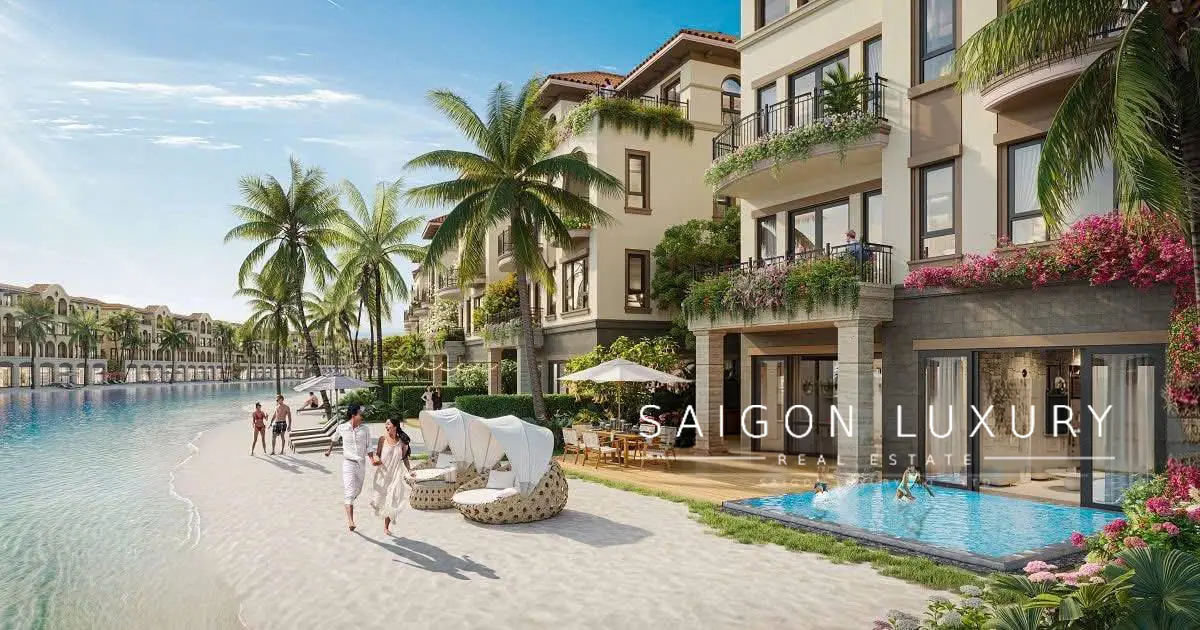
In this context, the Vinhomes Green Paradise Can Gio project is regarded as an exemplary case of the waterfront real estate development trend in Ho Chi Minh City.
The project is designed according to a large-scale ecological-tourism-resort urban model, capitalizing on the region’s mangrove forest ecosystem and pristine coastal landscapes.
Previously, Ho Chi Minh City residents seeking beachfront properties had limited options, typically requiring travel hundreds of kilometers to distant coastal destinations. The emergence of large-scale projects in Can Gio now offers a compelling alternative: the opportunity to live by the sea while maintaining convenient access to the city.
From this perspective, the real estate development in Can Gio represents more than the launch of a new project—it reflects a significant market shift. The growing demand among premium buyers for residences in nature-rich settings, waterfront locations, and resort-style living experiences continues to reshape Vietnam’s luxury real estate landscape.